
Machine learning in a casino loyalty program scores three things: the chance a player returns, which offer is timed to that return, and which accounts are cycling the bonus. The points balance is the program’s currency. The model is a ranking of who receives the next point of it.
What gets scored
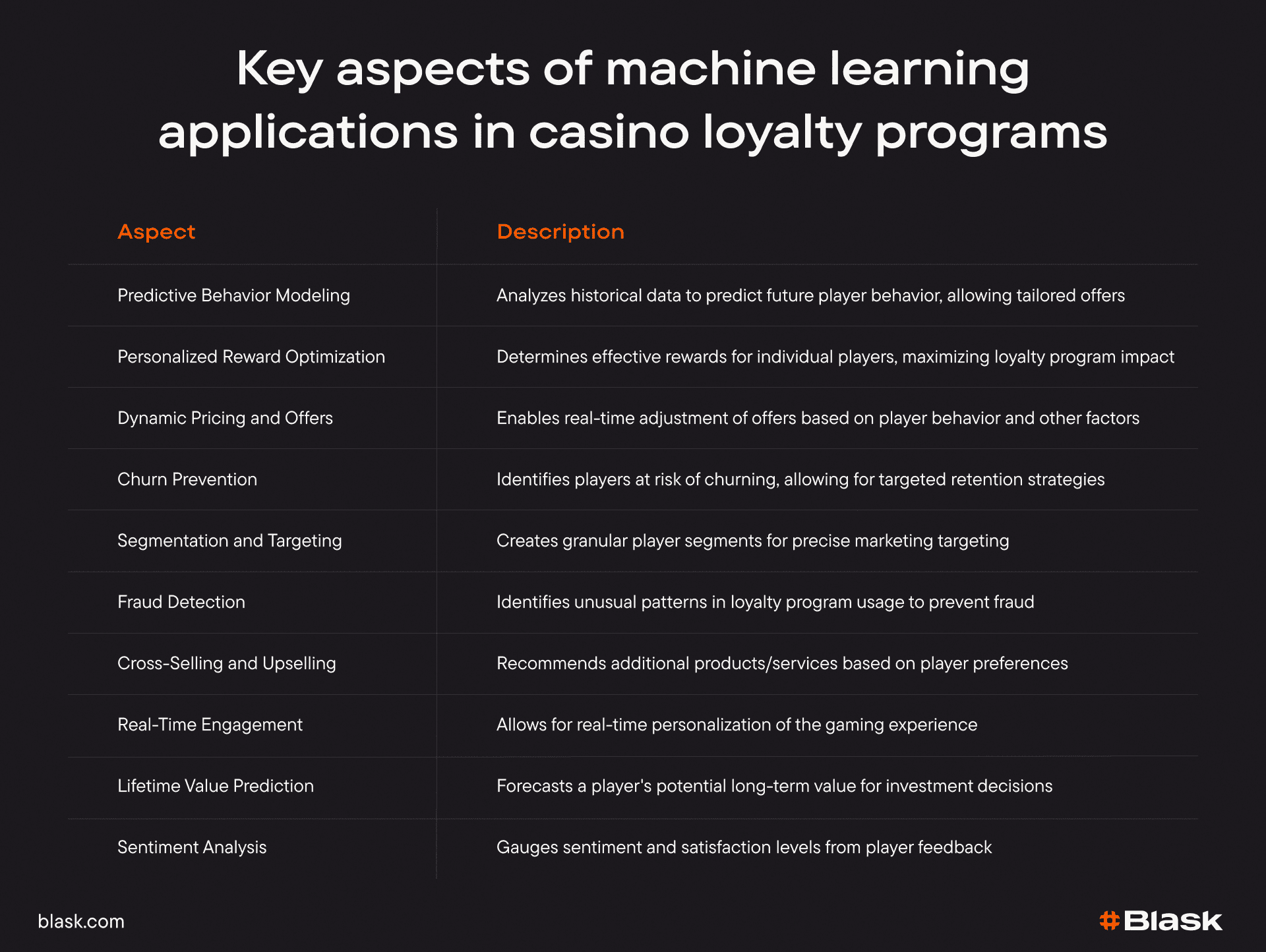
Return probability is the usual target. The inputs are recency, product, stake and the time since the last session. Offer timing is a second model, trained on which incentive coincided with a later deposit. Abuse detection is a third, aimed at multi-accounting and bonus cycling. Published lift figures for these models move with the label and the window. A percentage from one vendor’s book stays inside that book.
Points are the currency
A loyalty program stores status and points. A model can change who is invited into a tier. The tier rules themselves stay a commercial decision: what the status is worth, and what a player gives up to reach it. The ranking and the currency are different objects.
The revenue test sits outside the model
Lifetime value is the revenue side of the relationship the program is trying to extend. A model can lift session count inside a cohort whose revenue still sits under the baseline that position could have supported. Retention is the operating function around that gap. The model is an input to the function. Lifetime value remains the test of whether the cohort paid.
How Blask turbo-charges the journey
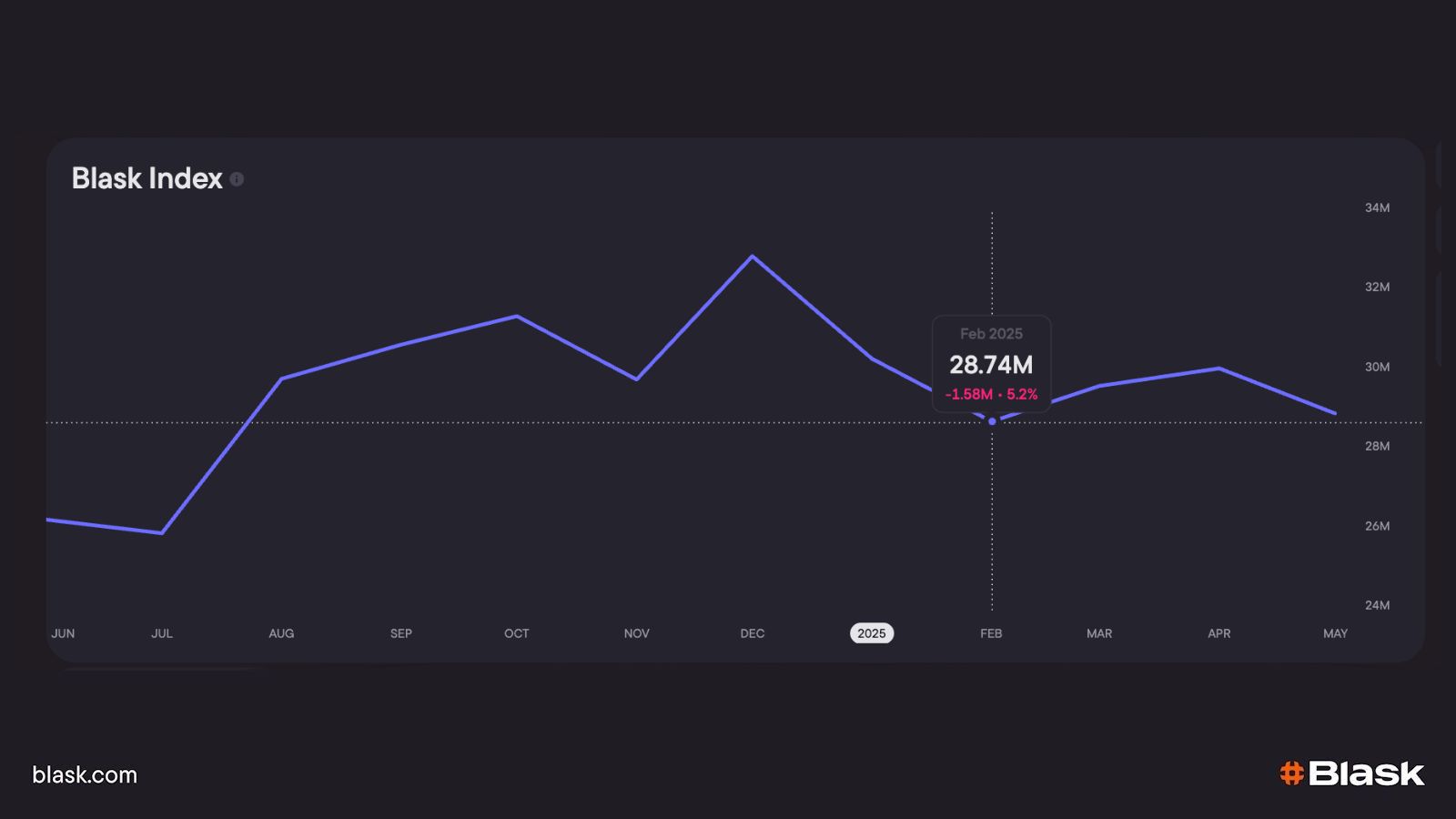
Instant proof of success. Blask Index spikes within three hours of a promo, giving marketers confirmation long before finance closes the books.
It works like a Nasdaq-style ticker for iGaming demand: every 60 minutes it reads fresh search-interest signals, then draws a live curve for each brand and country.
The metric is built on Les Binet’s share-of-search research (≈83 % correlation with share-of-wallet) — but layers AI to push accuracy to 95 % for online gambling.
📖 Read more: What is Blask Index
Machine-learning edge: AI-powered loyalty insights.
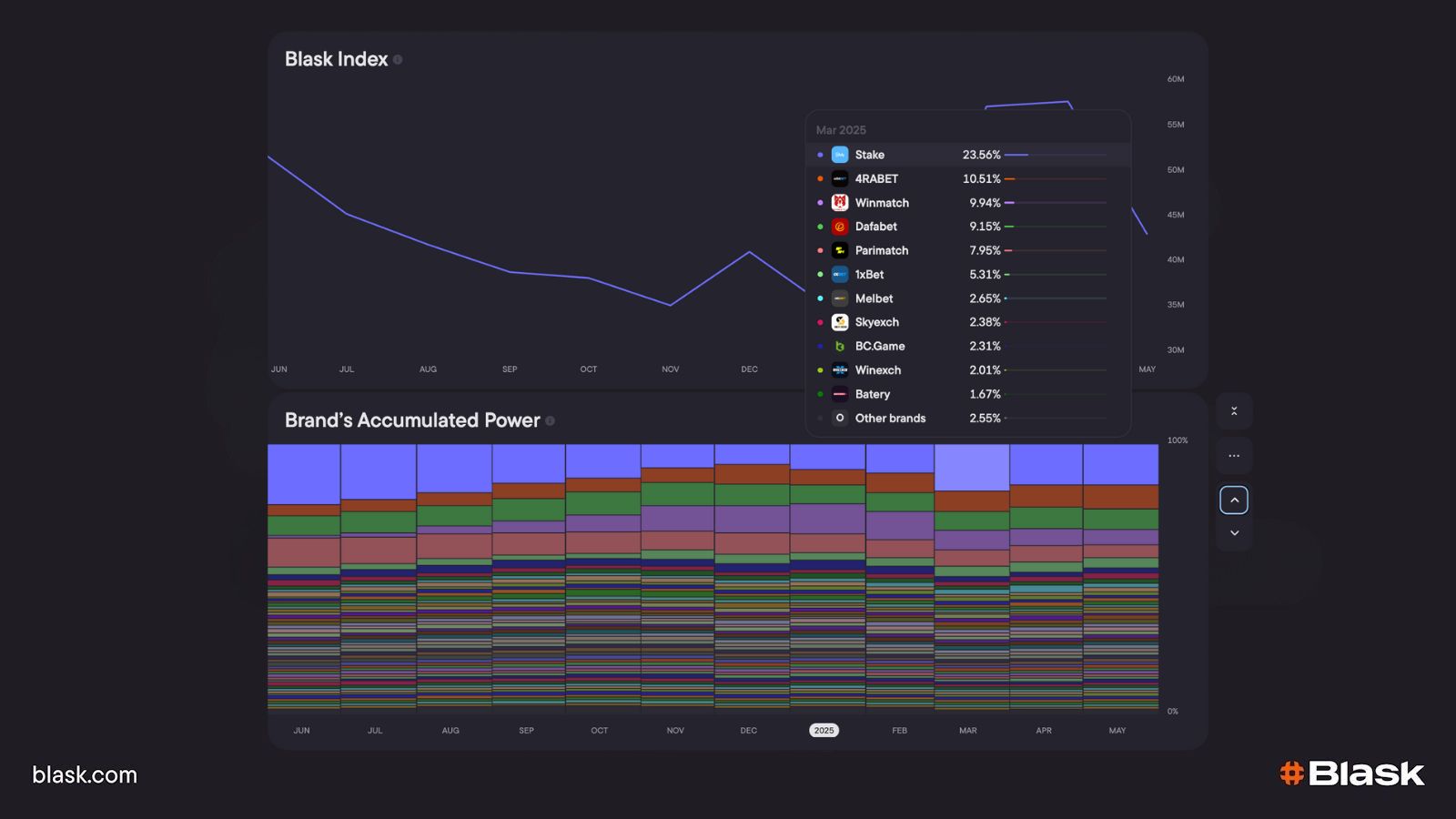
Live benchmarking — Blask Index + BAP
The Index updates every 60 minutes, turning search interest into a live iGaming radar. Operators watch the line jump (or stall) within the hour, then overlay BAP to see if attention converts.
📖 Read more: BAP is all you need
Retention & revenue — APS ↔ CEB feedback loop
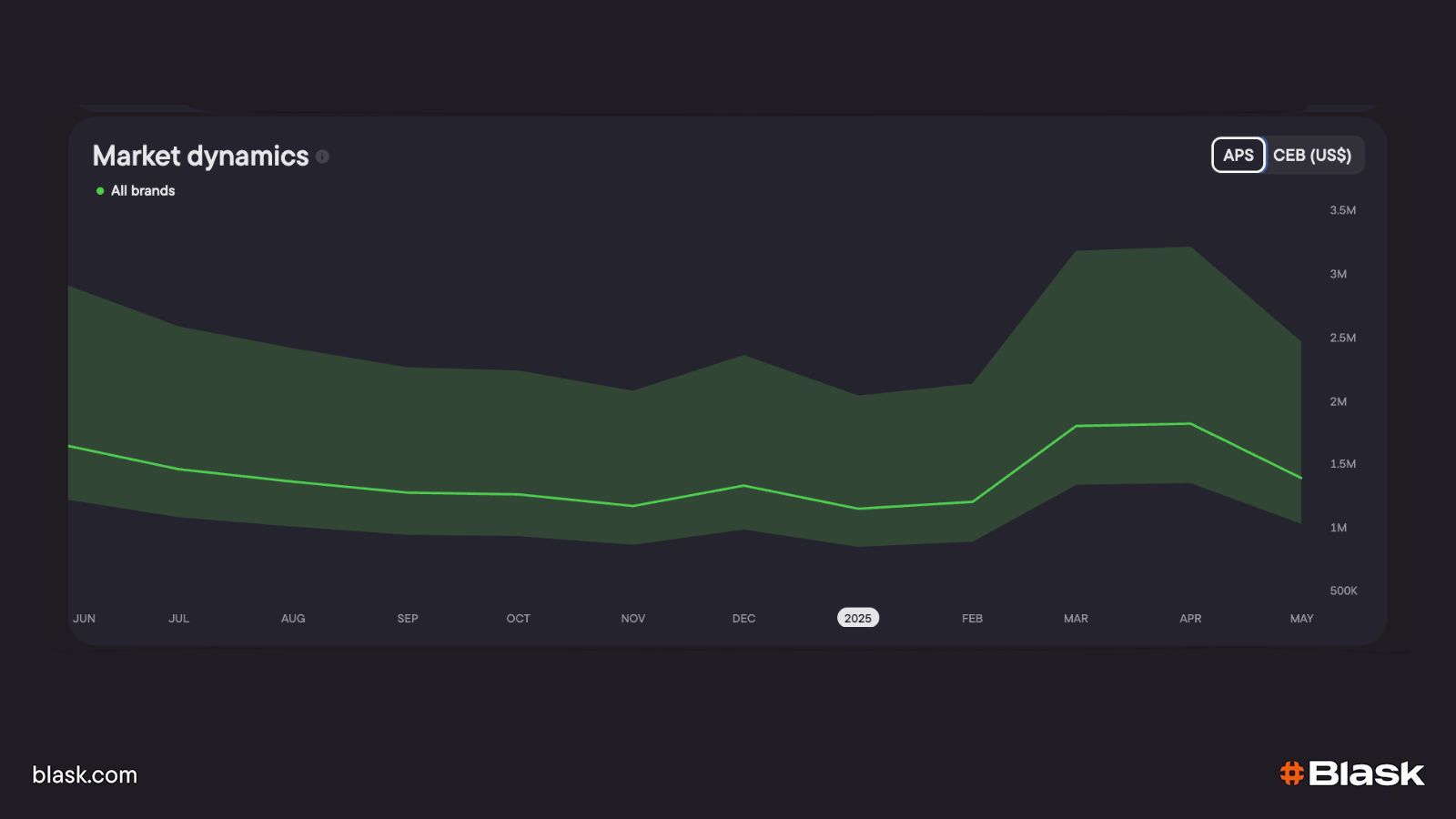
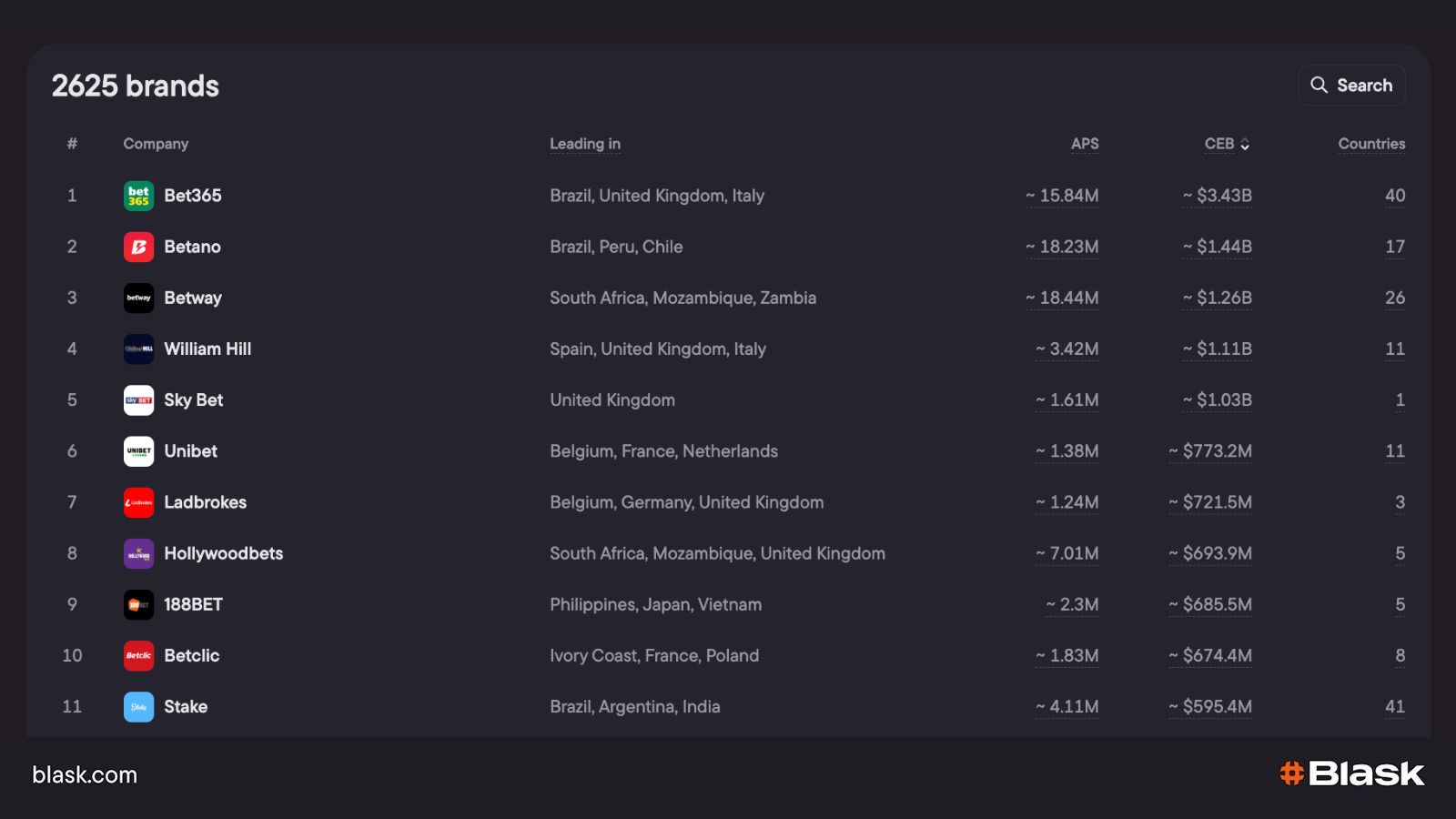
APS shows how many newbies you should onboard; CEB shows the revenue you should bank. A 10k-player shortfall? Patch the leak. Beating CEB by $1M? Scale what’s humming.
AI-guided marketing optimisation
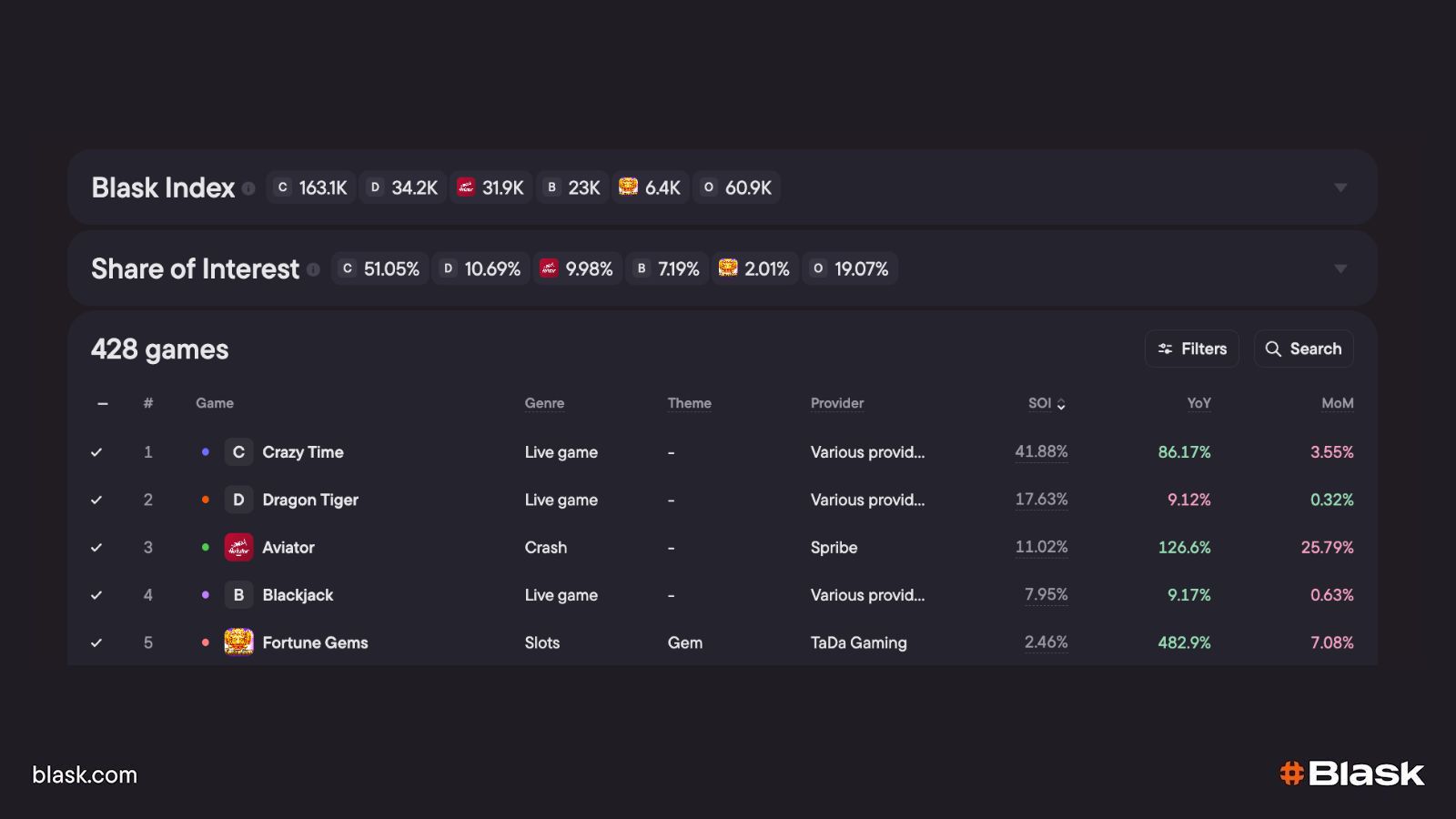
Blask fuses Games-page SoI, Customer Profile psychographics, and live Index shifts to suggest which cohort gets which creative — and when. Incremental spend lifts of 15-20% are common in ML-powered personalisation pilots.
Real-time revenue radar
Need a board-room stat fast? APS and CEB stream straight into the All Brands dashboard, letting you chart competitor traction without waiting for public filings.
Bottom line
Loyalty models rank return, timing and abuse. Points are the currency those ranks spend. Lifetime value is the test of whether the ranking paid, and that test sits outside the model.