
- Updated:
- Published:
Azerbaijan cyber police bust 1xBet illegal ring with $588K turnover
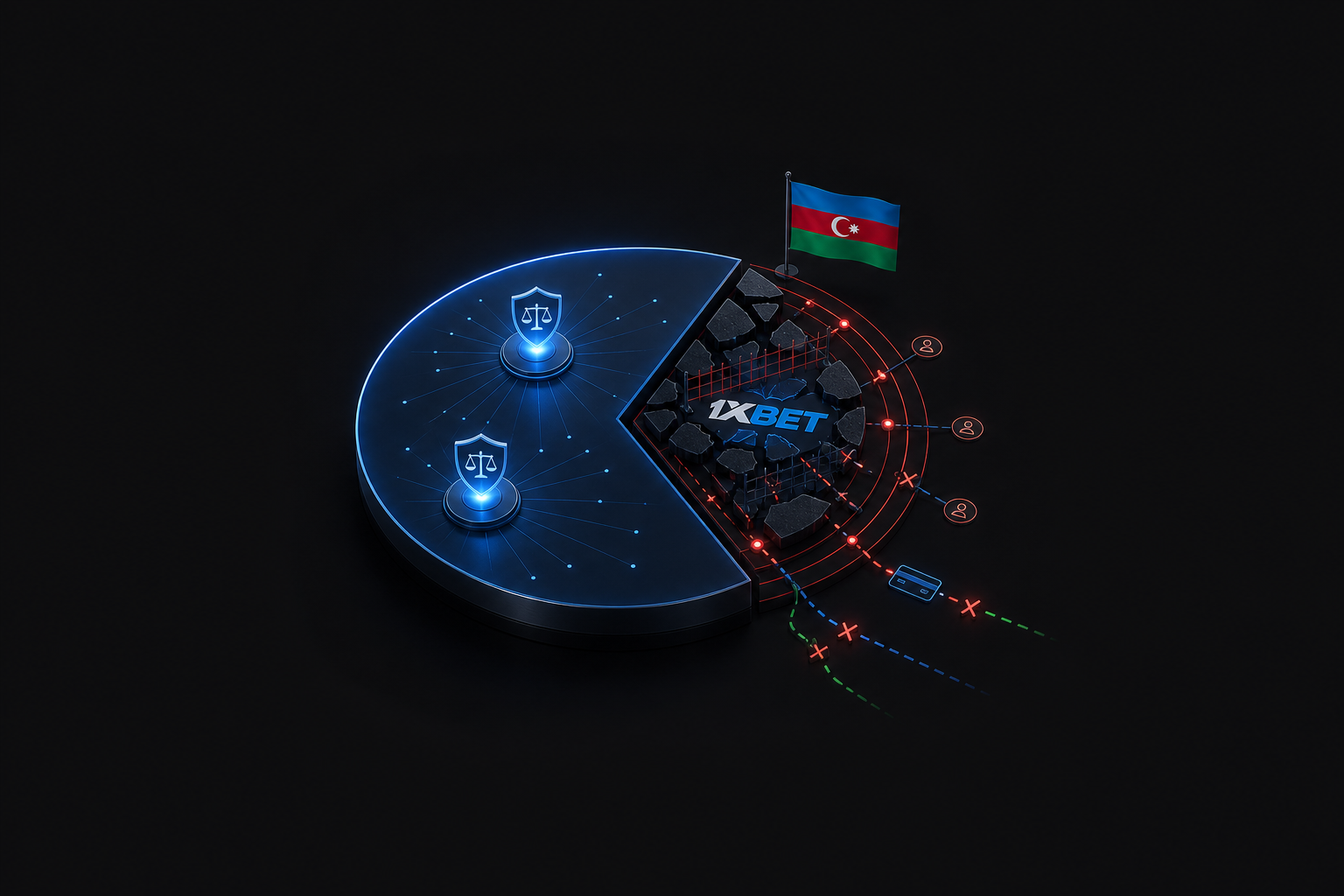
Azerbaijan’s cyber police dismantled a five-person 1xBet agent ring that processed $588K in illegal bets through a Baku apartment, the same day parliament passed a bill raising penalties for illegal gambling to up to four years in prison. 1xBet still generates an estimated $26M in Azerbaijan CEB despite the ban.
The Ministry of Internal Affairs detained the group for organising unlawful betting operations through 1xBet — a platform banned in the country — on the same day parliament passed the first reading of a bill tightening penalties for illegal gambling. The timing makes the case a deliberate market signal, not a routine enforcement action.
The ringleader, Jamal Ahmadov, rented an apartment in Baku’s Khatai district and ran a betting operation under the BakuCash profile on 1xBet, recruiting players primarily via Telegram. Searches yielded mobile phones, bank cards and electronic storage devices; four of the five detainees were remanded in custody by court order, and criminal proceedings are now underway.
Agent networks kept 1xBet alive in Azerbaijan — but demand is now falling
Despite an official ban and active blocking measures, 1xBet ranks among Azerbaijan’s top-five brands with a CEB of $26M. The offshore giant survived under tight regulatory constraints through a distributed network of local agents — BakuCash being the clearest recent example. By absorbing the legal risk domestically, these intermediaries allowed the platform to stay out of reach of local authorities for years.
Holding that grey status is becoming harder: after steady growth in 2024, demand for the 1xBet brand has slipped 1.5% over the past 12 months, squeezed by two structural shifts:
- Licensed sector duopoly: Misli and eTopaz, the two accredited operators, have consolidated the market and together hold 71% BAP; Misli, the category leader, grew 68.5% over the past year.
- Compression into niche segments: 1xBet and 86 other unlicensed platforms now account for just 29% of total audience.
The BakuCash case confirms the pattern: the era of unchecked traffic for unlicensed bookmakers in Azerbaijan is ending, and the regulatory grip is tightening around agent networks.
Arrests target agents, not the conditions driving offshore demand
The timing is deliberate: on 30 June, Azerbaijan’s parliament passed the first reading of a bill raising penalties for illegal gambling to up to four years in prison — and the arrests followed the same day. The signal to the market is clear, but targeted enforcement against intermediaries treats the symptom, not the cause.
As long as legal options remain limited and players seek full-service casinos and live betting, offshore operators will keep recruiting new agents willing to take the risk. Structural change requires either an expanded licensing framework to absorb existing demand, or a comprehensive blockade of grey payment channels. Without one or the other, enforcement stays a fight against consequences rather than causes.
FAQ
How much money did the busted 1xBet ring in Azerbaijan process?
Azerbaijan’s cyber police dismantled a five-person agent ring operating under the profile BakuCash on 1xBet, which processed $588K in illegal bets recruited primarily through Telegram, before four of the five detainees were remanded in custody.
Is 1xBet legal in Azerbaijan?
No, 1xBet is banned in Azerbaijan, yet it still ranks among the country’s top five betting brands with an estimated $26M in CEB, sustained through a distributed network of local agents that absorb the legal risk on the platform’s behalf.
Which brands lead Azerbaijan’s legal betting market?
Misli and eTopaz, the country’s two accredited operators, together control 71% of BAP. Misli, the category leader, grew 68.5% over the past year, while unlicensed platforms including 1xBet now account for just 29% of total audience.