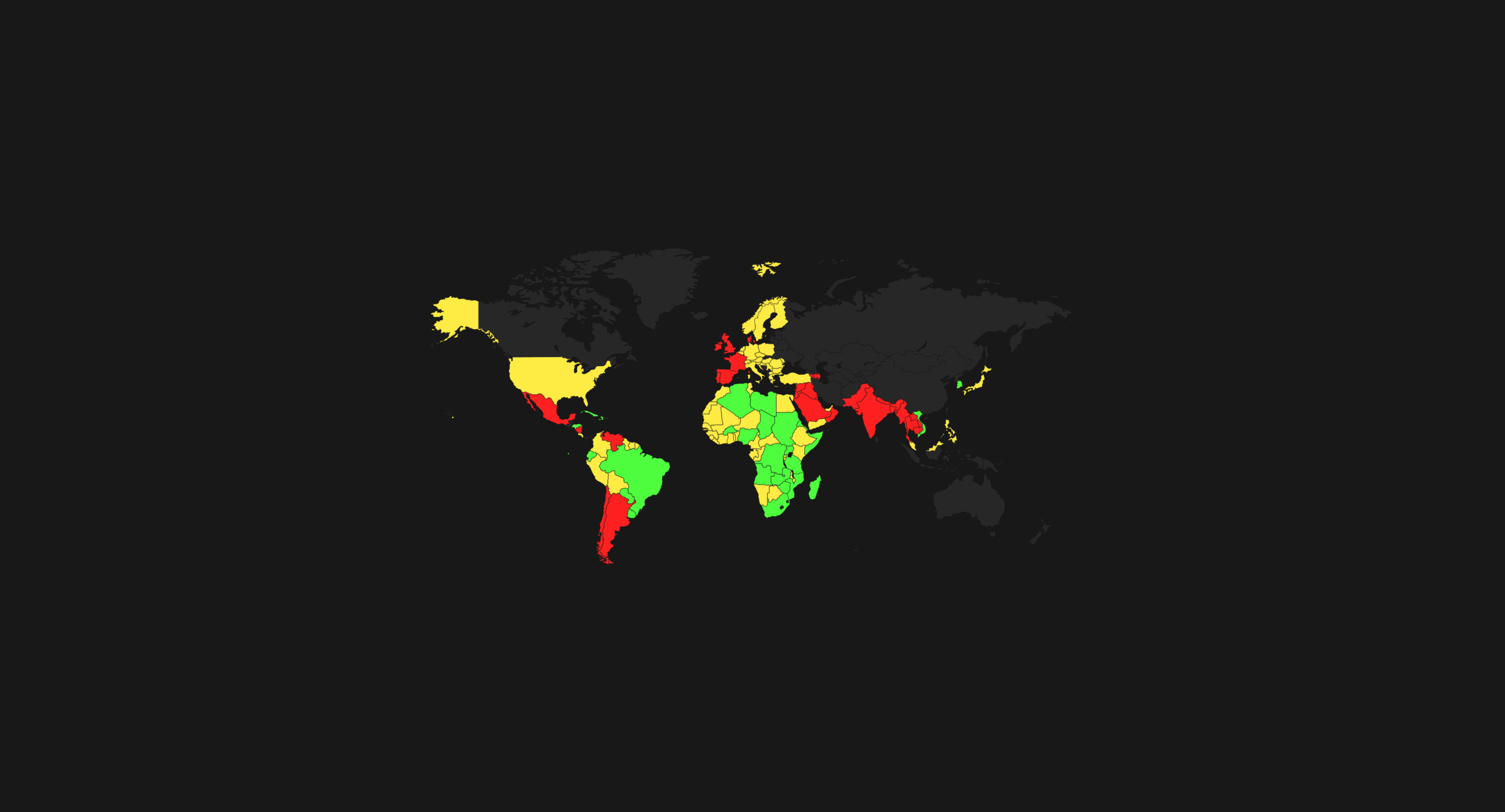
A loot box is a digital container that delivers randomized content when opened, usually after a real-money or premium-currency payment. Loot box gambling is the legal label when that mechanic meets the usual three-part test: consideration, chance, and a prize that counts as money or money’s worth (including tradeable skins or cash-out paths). The same feature can sit outside gambling law in one GEO and draw criminal or consumer enforcement in another, which is why iGaming compliance teams treat prize liquidity and configuration per market as the primary control. In February 2026, New York Attorney General Letitia James sued Valve Corporation over paid boxes in Counter-Strike 2, Dota 2, and Team Fortress 2, alleging illegal gambling because skins trade for real money, with one item priced above $1 million on secondary markets. This guide maps the three-element test, jurisdiction table, and research on problem gambling overlap, and connects in-game containers to licensed CRM patterns, social casino loops, and gamification in iGaming. For sealed physical collectibles and livestream spin cases, see Blind box gambling. A loot box is a digital container that delivers randomized in-game content when opened. Players acquire boxes through direct purchase, gameplay milestones, or promotional grants; rewards range from common cosmetics to rare skins, currency bundles, or gameplay boosts. The mechanic sits at the intersection of video-game monetization and iGaming engagement design because variable rewards, rarity tiers, and limited-time offers mirror CRM patterns operators already deploy in regulated betting products. Paid loot boxes differ from free gameplay drops because real-money consideration (or premium currency bought with cash) satisfies the first leg of most gambling statutes. Free-to-play titles and social casino apps both use random rewards, yet licensing, RG tooling, and advertising rules diverge sharply once cash-out or real-money purchase enters the flow. iGaming teams should treat loot boxes as upstream gamblification that shapes player expectations before the first sportsbook or slots deposit. Paid loot boxes where the player spends real money for a random outcome usually satisfy consideration and chance. Classification turns on prize: whether virtual items count as money or money’s worth when they can be sold, traded, or converted off-platform. Regulators applying a strict reading treat tradeable skins and card packs as prizes with monetary value. Markets that require prizes to be “money or money’s worth” but exclude non-cash-out cosmetics often classify isolated in-game items as outside gambling — the UK Gambling Commission’s long-standing position under the Gambling Act 2005, Norton Rose Fulbright summarises. Once a liquid secondary market exists, the analysis shifts: New York’s complaint alleges Valve enabled exactly that conversion path. Snippet answer: Loot boxes are gambling where payment, chance, and a prize of monetary or exchange value coincide. Many jurisdictions exempt non-tradeable cosmetic boxes; tradeable or cash-out-able rewards typically trigger gambling law or consumer-enforcement action. Academic and policy literature distinguishes loot boxes by whether rewards stay inside the game economy. Embedded-Isolated boxes grant items that cannot be traded or cashed out; under a plain reading of UK and US gambling definitions, the prize element often fails. Embedded-Embedded boxes feed items into markets where players realise real-world value — Steam Community Market, skin resale sites, or peer trading — which brings the mechanic inside the three-element test in Belgium, in New York’s 2026 theory, and in Dutch enforcement debates over transferable prizes. The taxonomy appears in global regulatory surveys such as the OSF Loot Box State of Play working paper (Drummond & Sauer framework). CS:GO and Counter-Strike 2 skins illustrate the tipping point: cosmetic design intent does not shield a product once third-party cash markets price rare items at thousands of dollars, Ars Technica reported in coverage of the New York filing. That split explains why identical code ships differently per GEO: publishers geo-block paid random mechanics in Belgium while keeping them live in the UK, mirroring how licensed iGaming platforms enable or disable features per licence rather than arguing mechanics one jurisdiction at a time in court. Physical blind boxes guarantee a product in the box; digital loot boxes guarantee an item but not a specific tier. Both exploit variable-ratio reinforcement, yet physical resale pushes the prize element harder in strict jurisdictions — the argument developed in Blind box gambling for Singapore TikTok enforcement and SAMR-style disclosure rules. Evidence now spans meta-analyses, youth surveys, and adult gambler cohorts. A systematic review and meta-synthesis found a mean correlation of r = 0.27 between loot box purchasing and problem gambling severity across 13 studies, with 12 of 13 reporting positive associations. Youth data sharpen the policy case. A Great Britain survey of 16–24-year-olds linked paid loot box purchase to problem gambling odds of 11.4 (95% CI 7.6–16.9) in unadjusted models, falling to 4.5 (95% CI 2.6–7.9) after controlling for other gambling participation — still comparable in magnitude to online casino play in that sample. Adult data from 2026 adds depth among people who already gamble. An Addictive Behaviors study of N = 3 709 Canadian adults who gamble monthly and play video games reported that 1 922 had bought loot boxes in the past year. Over half of buyers met moderate-risk or problem gambling criteria versus roughly one-fifth of non-buyers, PsyPost noted in its summary. Associations with gambling harm remained after controlling for electronic gaming machines, sports betting, and lottery play — stronger than sports betting or lotteries, weaker than EGMs in that sample. Cross-sectional designs cannot prove causation; they still…