- Updated:
- Published:
Crash games in 2026: how much of the lobby they actually hold
A crash game is a round-based casino format built on one rising multiplier: it starts at 1.00x, climbs in real time, and stops at a randomly determined point. A player who cashes out before the stop keeps the multiplied stake; everyone still in the round loses it.
The mechanic is settled. What is not settled is how much shelf space operators give it. Blask genre content share, which measures how much of a market’s tracked lobby catalogue belongs to a genre, shows crash holding 6.88% in Brazil and 5.38% in Turkey and India in July 2026 — and 2.62% in the United States, down from 11.20% a year earlier.
This guide explains the mechanic, then shows where crash is gaining and losing lobby share, which titles anchor it, and how the category behaves next to slots, Plinko and Mines.
Where crash holds lobby share
Crash grew in most tracked markets over the year to July 2026, and the exceptions are as informative as the gains. Turkey added 3.66 points of genre content share and India 1.40, while Ethiopia went from no crash presence to 4.95%. Brazil remains the largest crash shelf at 6.88%.
The United States moved the other way, from 11.20% to 2.62%. A market that was once the most crash-heavy on the list is now below Finland. In the UK the genre never took hold, ending the year at 0.91%.
What Is a Crash Game
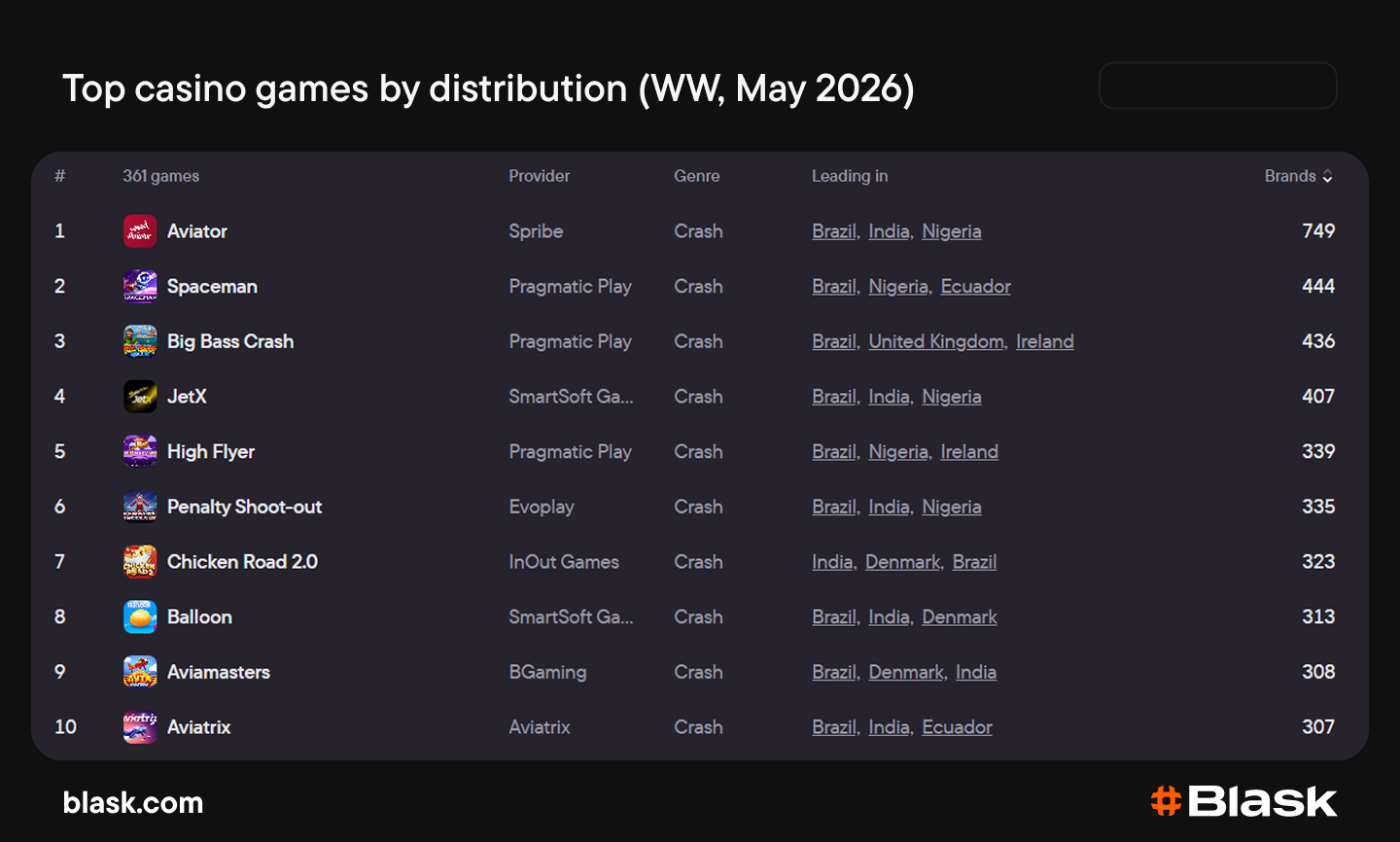
What is a crash game in simple terms. It is a fast betting format built around one rising multiplier and one brutal cutoff point. A round starts at 1.00x, climbs in real time, and ends without warning. If the player exits before the break, the return is locked in. If not, the stake disappears. That clear risk curve is the whole point, and it is why the format feels so immediate on mobile and desktop alike.
Unlike slots, this format does not hide the action behind reels or paylines. The tension sits on the screen in plain sight. That visibility makes the genre feel more interactive, even though randomness still controls the final stop. In most versions, everyone in the same round sees the same result, which adds a communal edge and helps explain why crash gambling became a social product as well as a casino product.
An online crash game also appeals to players who want speed without complicated rules. There is no long paytable to study and no bonus wheel to decode. The decision is brutally simple. Stay in and chase a bigger number, or leave early and protect the stake. That stripped-down structure is the reason the category broke out far beyond crypto circles.
How Crash Games Work
Most crash casino games follow the same mechanical loop. A short betting window opens. Stakes are placed. The multiplier starts rising. The round can stop at any instant, even near the opening point. Players who have already exited get paid according to the number shown at cash-out. Everyone else loses that round.
The Rising Multiplier Mechanic
The multiplier is the heartbeat of the whole format. It begins at 1.00x and rises quickly, often with a plane, rocket, line graph, or animated character tied to the climb. The longer it runs, the larger the possible return becomes. Yet the same delay increases danger, because the stopping point is random and can arrive at any height.
This mechanic creates a very specific emotional rhythm:
- early exits feel safe but small,
- mid-range exits balance risk and value,
- late exits create the biggest swings,
- missed exits punish hesitation instantly.
That rhythm is why crash gambling feels closer to a reflex test than a traditional spin.
Cash-Out Before the Crash
Cash-out is where the whole game becomes personal. The system generates the result, but the player still decides when to leave. That tiny slice of control changes the emotional texture completely. In slots, the outcome is already sealed after the spin. Here, the player sees the number climbing and must choose the exit moment in real time.
A common mistake is waiting for the perfect run every time. That approach usually collapses fast, because most rounds never reach spectacular heights. The smarter view is that each exit point reflects a tradeoff between frequency and upside. Lower numbers hit more often. Higher numbers pay better when they land, but they land less often.
Provably Fair RNG
A big part of the category’s rise came from transparent math. Many crypto titles use provably fair systems that let players verify round data after the result is revealed. That system usually combines a server seed, a client seed, and a nonce. Together they create a result that can be checked later. Standard regulated titles more often rely on certified RNG and third-party testing instead.
Provably fair does not make a result easier to beat. It makes the generation process more visible. On crypto-first products, that matters a lot because users want proof that the multiplier was not altered after the bet was placed. This is one reason many crash gambling sites built their reputation around verification tools rather than flashy themes alone.
Auto Cash-Out and Auto Bet
Automation tools are now standard in serious lobbies. Auto bet places the same stake repeatedly. Auto cash-out closes the position at a preset number, such as 1.50x or 2.00x. These tools do not change the edge, but they reduce impulsive play and remove some of the panic that comes with manual exits.
In practice, automation helps with several things:
- keeping stake size consistent,
- avoiding emotional overreach,
- repeating a chosen target exactly,
- speeding up routine sessions.
Most Popular Crash Games in 2026
The best crash games in 2026 are not all clones. They use the same rising multiplier logic, yet each one bends the format in a different direction. Some push clean minimalism. Others add missions, boosters, skins, dual bets, or loyalty layers.
Aviator (Spribe)
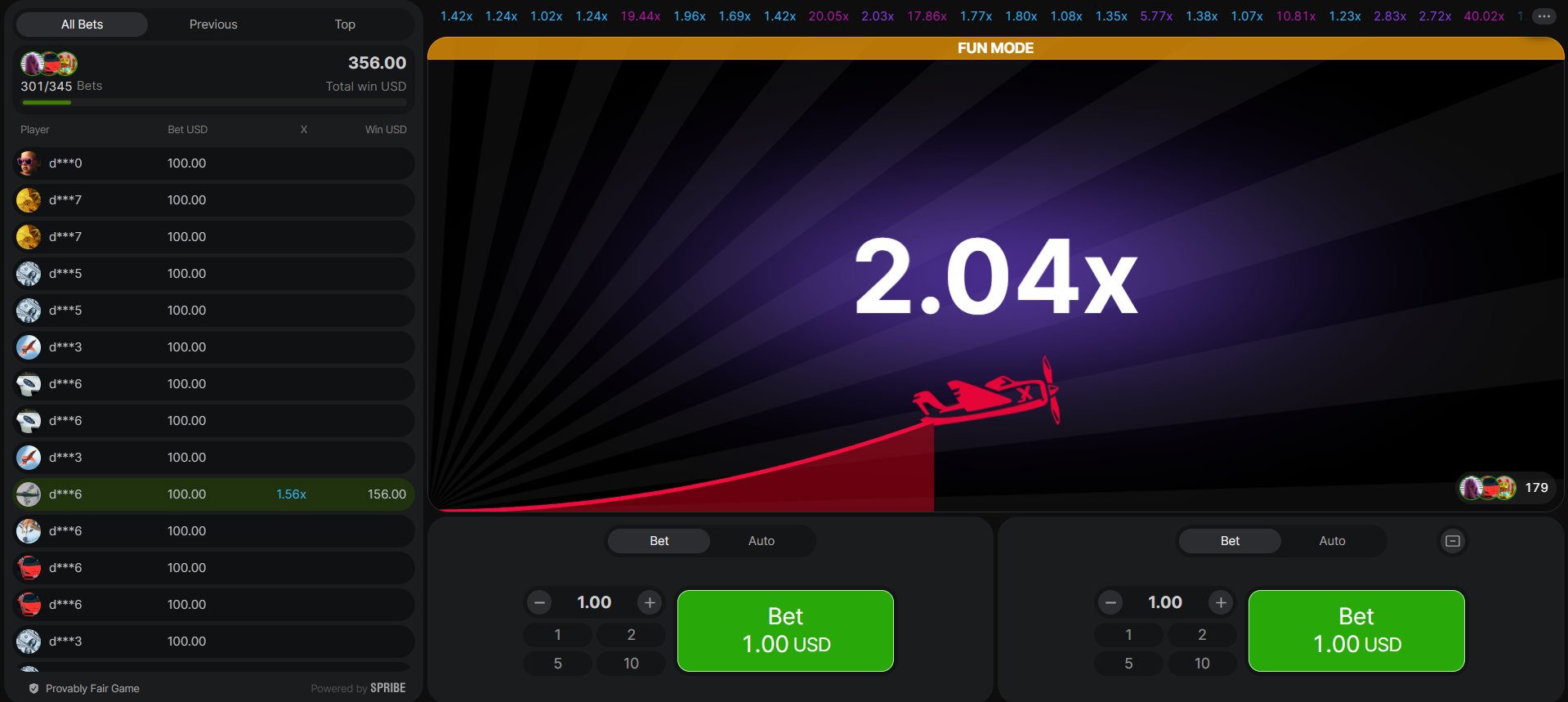
The Aviator crash game is still the title most people name first. Spribe lists it as a mini game with 97% RTP, and the company also promotes provably fair technology across its platform. That mix of simple design, social familiarity, and strong brand recognition made it the title that dragged the category into the mainstream.
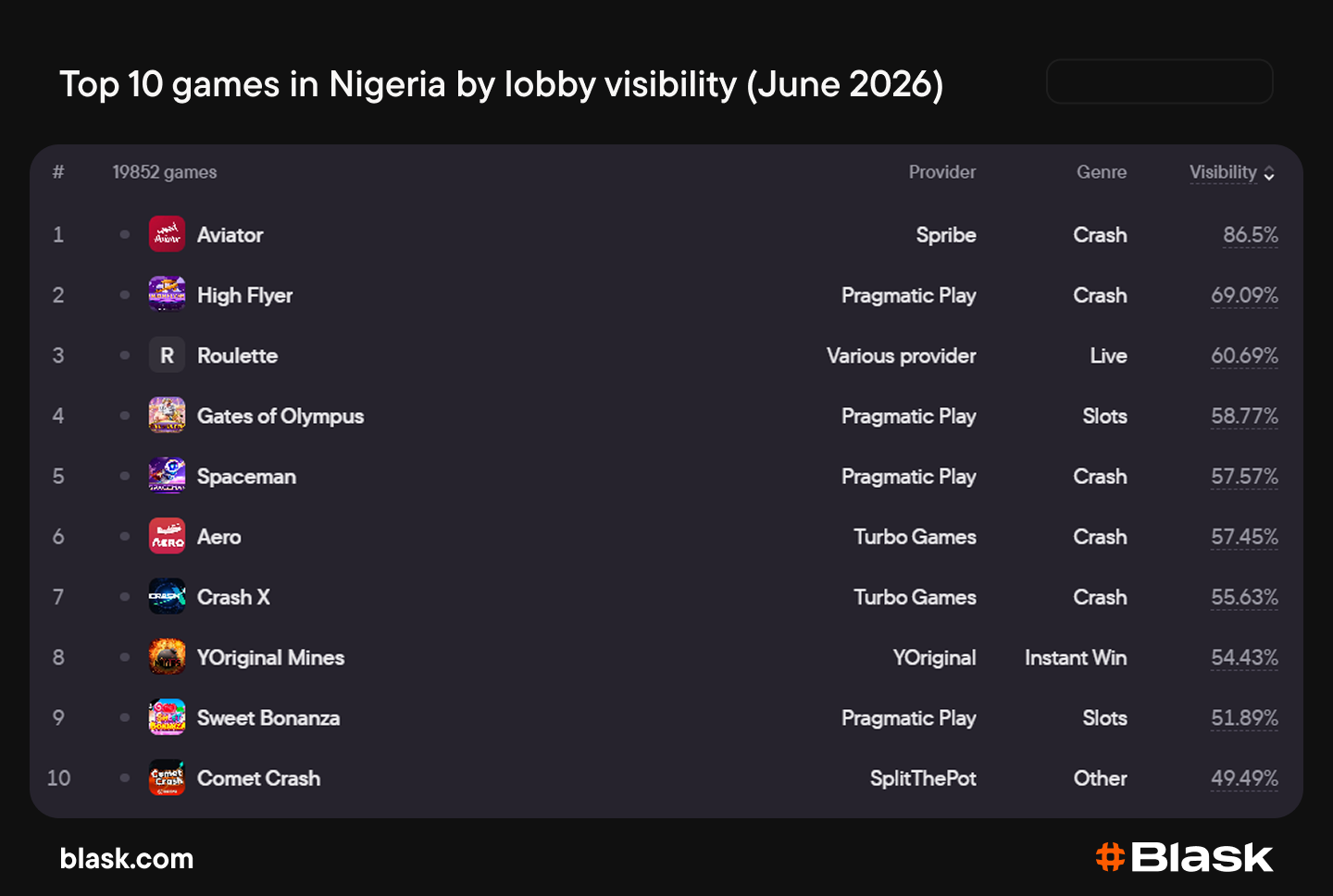
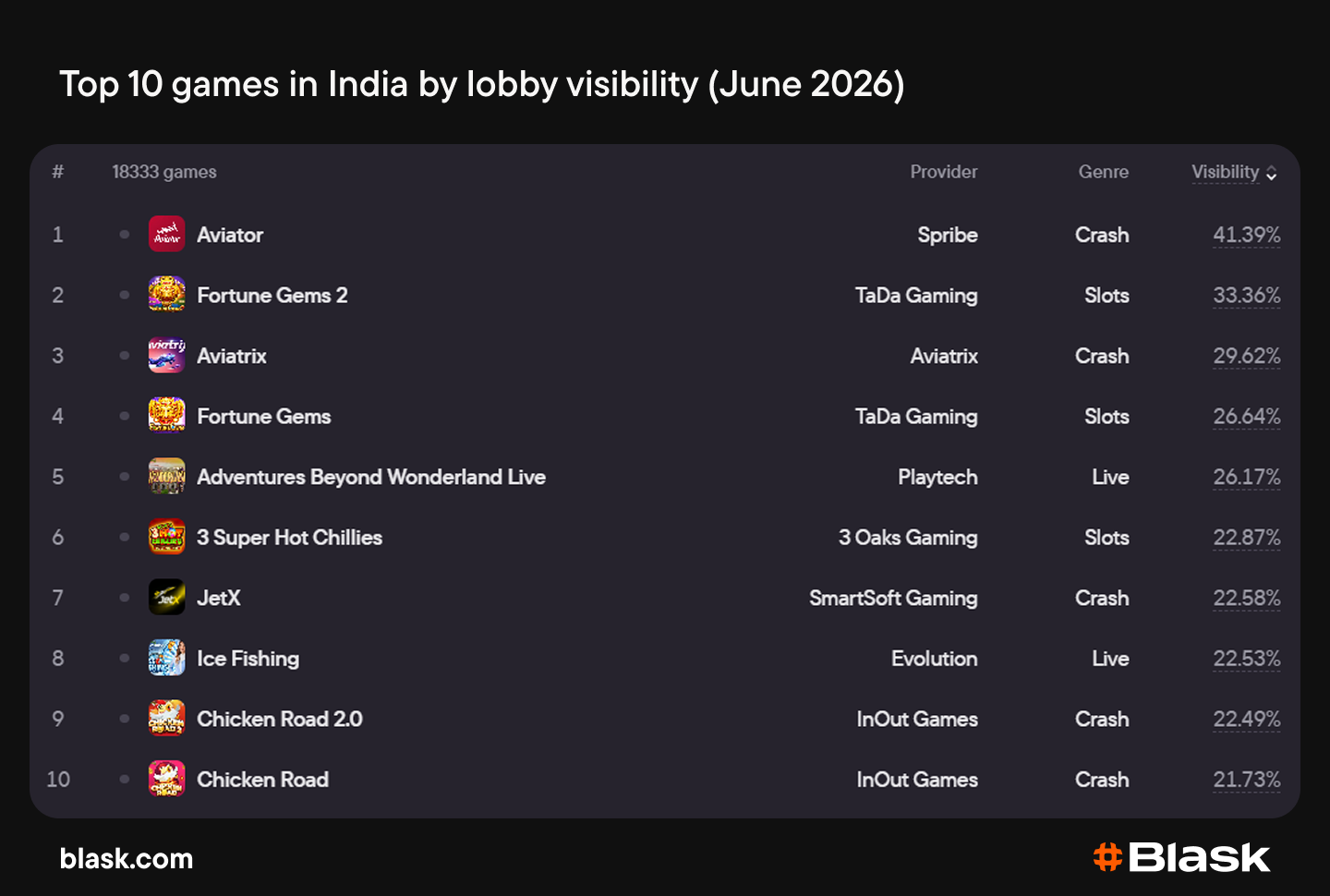
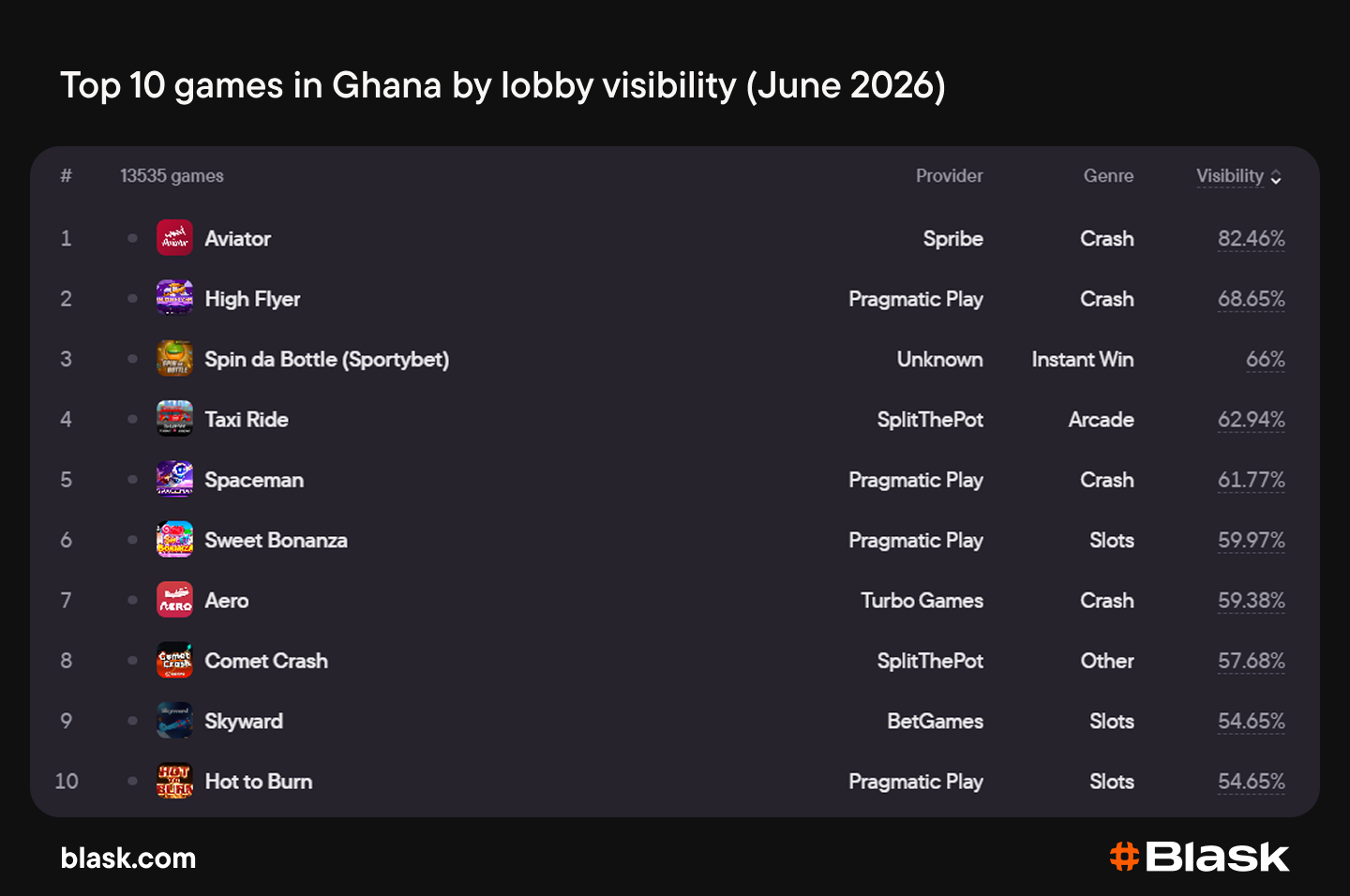
Even though the market now sees a steady wave of new crash releases, Aviator still holds a leading position in several key geographies, including Nigeria, India, and Ghana. Blask data shows they are at or near the top of lobby rankings and market adoption.
JetX (SmartSoft)
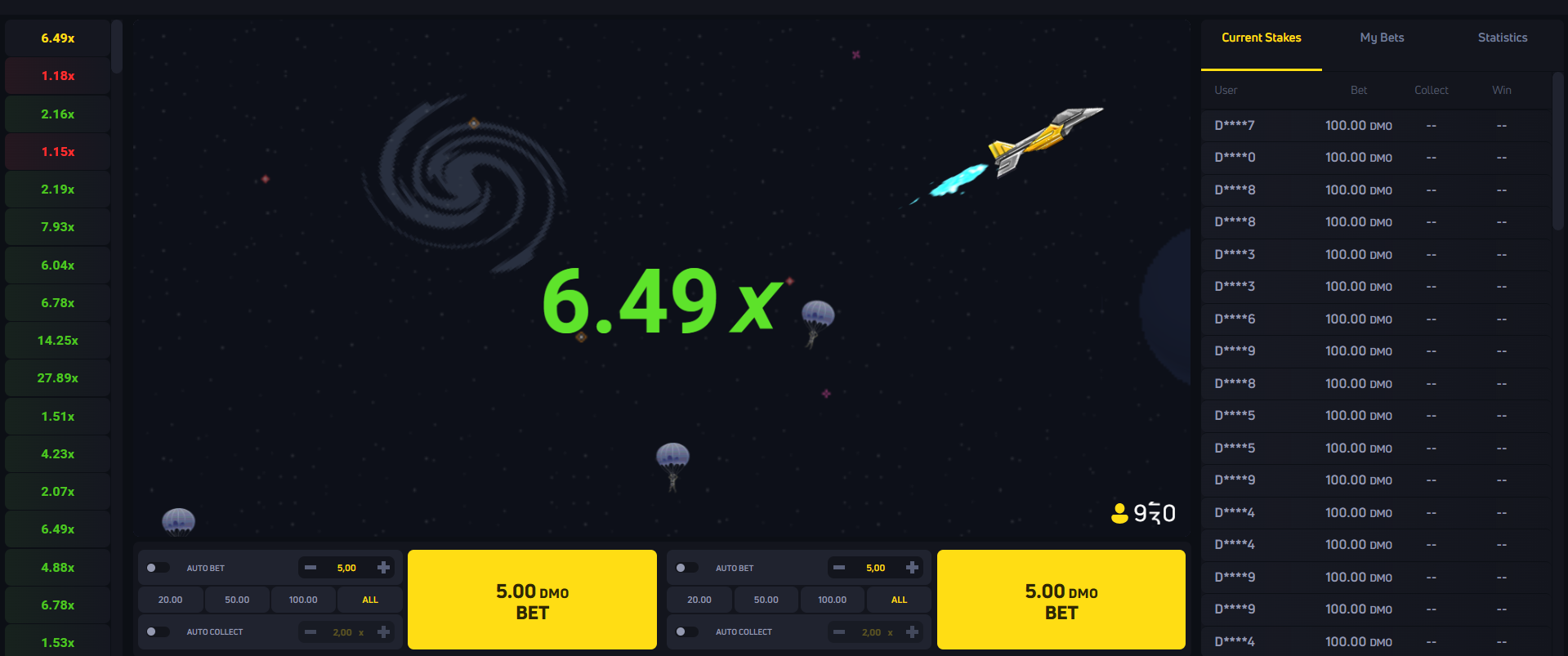
JetX remains one of the strongest alternatives. SmartSoft states an RTP range from 96.2% to 98.9%, supports two independent bets per round, and includes manual or automatic exits. It also adds moderated chat, history, statistics, and event support, which gives it real staying power in competitive lobbies.
Chicken Road (InOut)
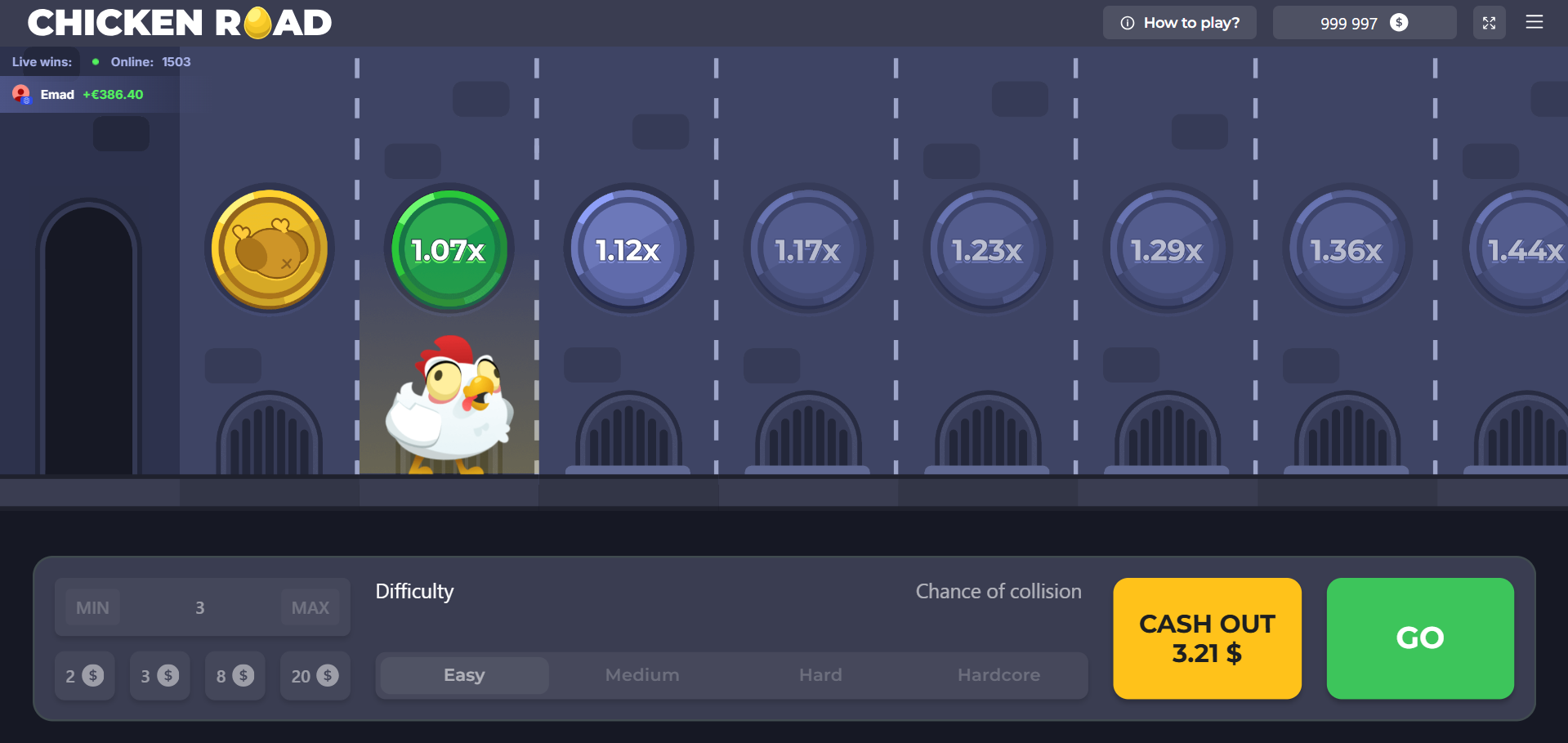
Chicken Road takes the multiplier chase and wraps it in a chicken crossing hazard zones. InOut lists four difficulty levels, single-player design, and 98% RTP. That structure gives the game a more arcade-like identity, while keeping the same basic tension around risk and timing.
Its success also sparked a clear wave of imitators and follow-up releases built around the same chicken theme. InOut itself expanded the concept with Chicken Road 2.0 and Chicken Road Bonus, while other studios and casinos entered the lane with different titles, for example:
- Pragmatic Play: Chicken Drop, Chicken Chase;
- PG Soft: Chicky Run;
- BGaming: Chicken Rush;
- Pixmove: Chick’n Run;
- Turbo Games: Chicken Zap, Chicken Route;
- Mascot Gaming: Rooster Run;
- Roobet: Mission Uncrossable;
- 100HP: Chicken Pirate, Chicken Subway, Chicken vs Train;
- Stake: Chicken Stake;
- Galaxsys: Chicken Crash;
- Million Games: Chicken X;
- UpGaming: Chicken Cross;
- Kingmidas: Chicken Crossy;
- TaDaGaming: Chicken Dash;
- Poggiplay: Chicken Curry;
- Popok Gaming: Chicky Choice;
- Spribe: Pilot Chicken.
That copycat trend says a lot about the original game’s impact: the chicken formula was not treated like a one-off novelty, but as a proven crash template that competitors were eager to repackage in their own style.
Aviatrix (Aviatrix)
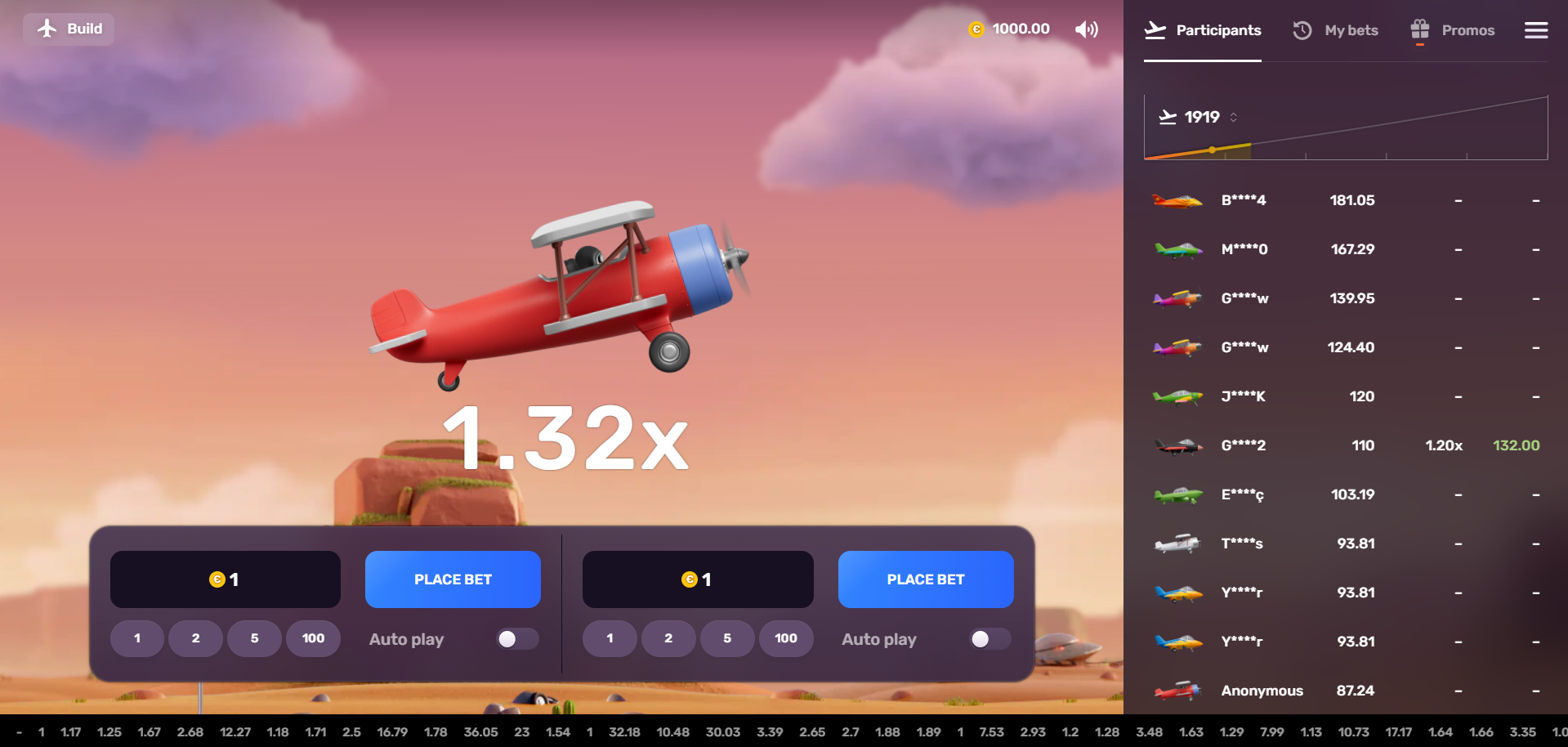
Aviatrix goes harder on identity and progression. Its official site highlights plane level-ups, skins, built-in promo tools, special events, and a cross-title loyalty model. That makes it feel less like a one-screen betting tool and more like a connected ecosystem.
Spaceman (Pragmatic Play)
Spaceman gives the format a clean science-fiction wrapper. Search data tied to Pragmatic Play presents a 96.50% RTP and emphasizes the game’s streamlined crash structure. It is one of the titles that helped move the category into mainstream casino lobbies rather than keeping it inside specialist sections.
Aviamasters (BGaming)
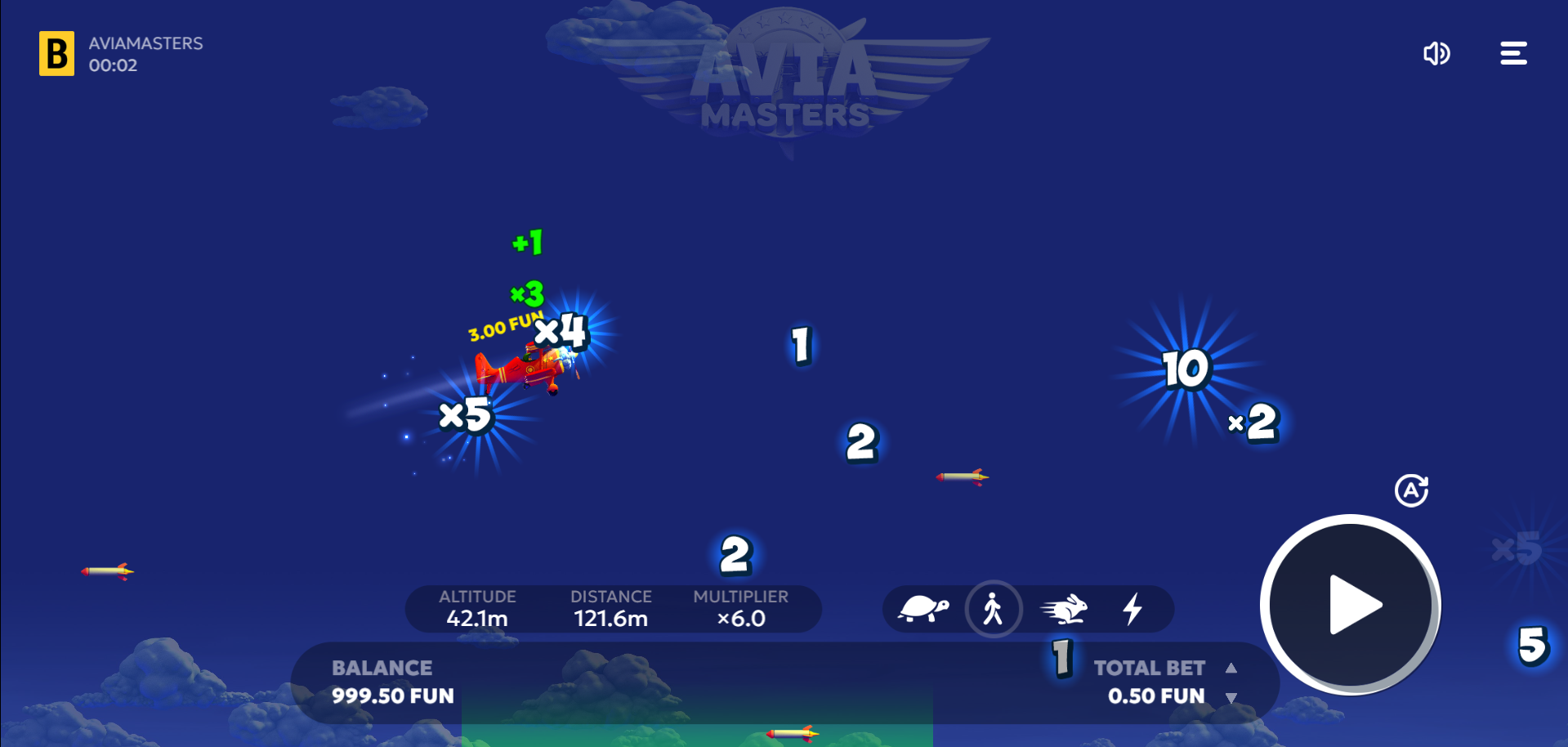
BGaming pushed the idea further with Aviamasters 2. The official page lists 97.00% RTP, medium volatility, safe landing mode, four boosters, and a 1,000x maximum multiplier. That approach shows how providers are adding feature depth without abandoning the core formula.
Astronaut (100HP)
Astronaut by 100HP sits on the cleaner end of the spectrum. Official search references describe a fast, minimalist experience built around quick decisions and crisp visuals. That simplicity matters, because too much decoration can slow down a format that works best when every second counts.
Crash Game RTP and Volatility
RTP in this category often sits above many slot averages. Industry coverage usually places the general range around 95% to 97%, though some titles move above that depending on provider settings. Aviator is listed at 97%. Chicken Road shows 98%. JetX is published with a wider configurable range.
Volatility is just as important as return rate. A title with solid theoretical return can still feel brutal in short sessions if the crash points stay low for long stretches. That is why players who focus only on RTP often misunderstand the real experience. A high figure on paper does not guarantee a smooth ride.
Useful volatility signals include:
- how often rounds end below 2.00x,
- whether two bets are allowed,
- whether boosters or rescue mechanics exist,
- whether the provider uses fixed or configurable RTP.
Crash Games vs Other Casino Games
The biggest difference is visibility. Traditional reels hide the outcome inside animation and symbol evaluation. This format puts the whole drama on one live number. That is why crash games feel more transparent, even though the end result still depends on randomness.
| Feature | Crash Games | Slots / Plinko / Mines |
| Decision point | Real-time cash-out choice | Pre-set or slower reveals |
| Visibility | One rising multiplier on screen | Hidden behind reels/pegs/grid |
| Round speed | Very fast (seconds) | Slower, more deliberate pacing |
vs Slots
Slots are built around reels, paylines, scatter logic, and layered bonus structures. A crash game strips everything back to one multiplier and one exit decision. That makes it easier to understand, but also easier to overplay because the rounds are so short.
vs Plinko
Plinko adds a visual path through pegs and pockets. The player chooses the risk setting, then watches physics and randomness resolve the drop. In a crash round, the action is more direct. The number rises, the pressure builds, and timing becomes the whole story.
vs Mines
Mines gives the player a grid and a sequence of safe reveals. The decision is still about when to leave, but the pacing is slower and more deliberate. BetMGM UK places mines and crash products side by side because both rely on early exits and escalating pressure, yet the feel is very different.
Provably Fair: Why It Matters in Crash
Provably fair matters because speed creates suspicion. In slower casino products, players often accept that the result lives behind the scenes. In crash gambling, the number is climbing in public and the loss can feel abrupt or brutal. Verification tools help answer that emotional doubt with checkable data.
Why Crash Games Exploded in Popularity
The rise was not random. The format fits how people use gambling products now. It loads fast, explains itself instantly, works well on mobile, and creates stream-friendly moments with almost no setup. That makes it easy to market, easy to watch, and easy to repeat.
The Aviator crash game accelerated that trend because it turned a niche mechanic into a recognizable brand category. After that, other studios rushed in with rockets, astronauts, animals, and hybrid designs. The product became familiar enough that regulated operators and mainstream casino platforms could add it without confusing new users.
How Operators Add Crash Games to Their Lobby
For operators, these products are not random fillers. They serve engagement, retention, and cross-sell goals. Industry analysis points to high bet frequency, mobile-first design, community features, and event systems as major commercial reasons for adding them.
A common integration plan includes:
- direct or aggregator distribution,
- lobby placement near originals or instant wins,
- local currency and language support,
- missions, leaderboards, or seasonal events,
- chat and stats modules,
- responsible gaming controls.
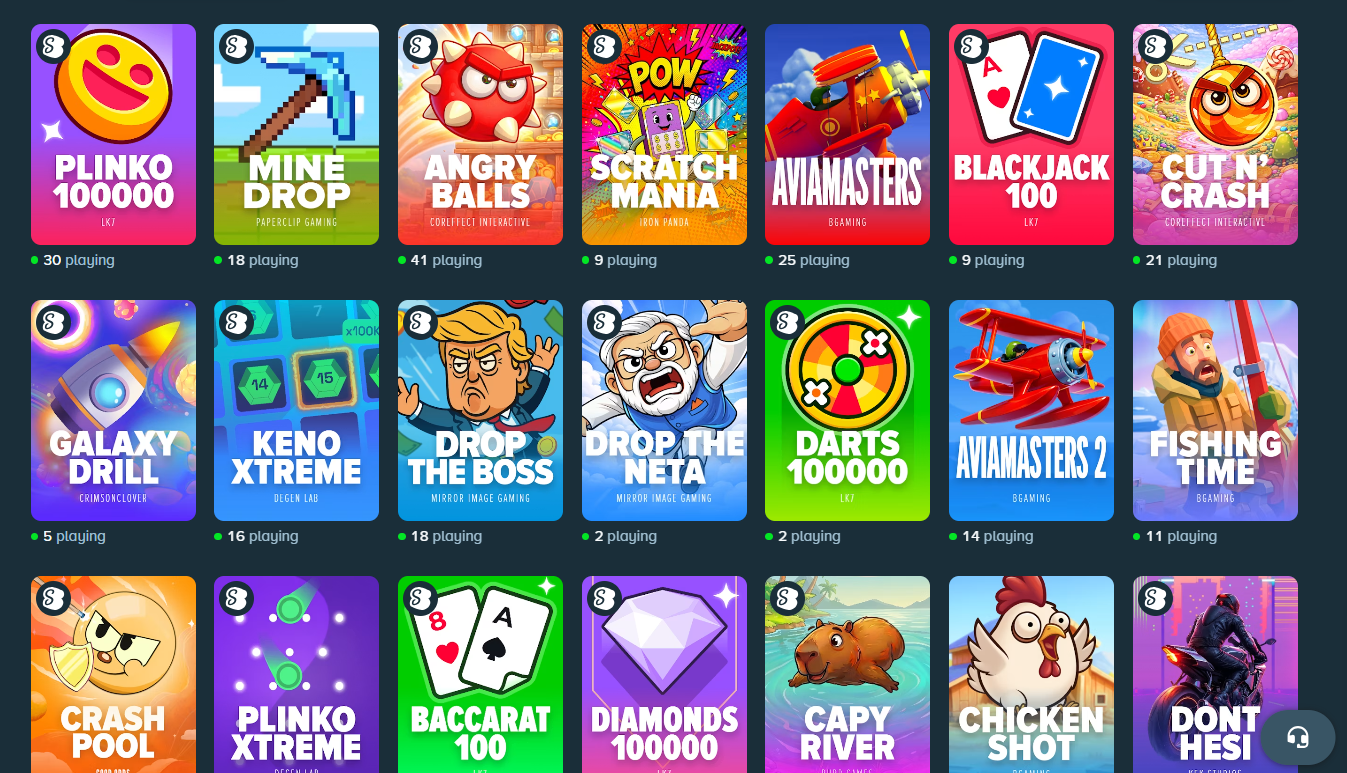
Crash and instant games on Stake’s “Burst Games” category.
Future Trends in Crash Games for 2026
The next stage will likely stay simple on the surface and richer underneath. Providers are already adding more loyalty systems, more social hooks, and more layered mechanics. Aviatrix pushes progression and rewards across titles. BGaming adds boosters and safe landing. SmartSoft ties the format to missions and promotions.
An online crash game will probably remain easy to understand. The real evolution will happen in social layers, retention design, and operator tooling. That is why the category still looks fresh rather than saturated.