
- Updated:
- Published:
What Is a Turnkey Casino
What a turnkey casino is, how it works, what it includes, how much it costs in 2026, and how it differs from white label solutions.
This article was prepared using information from official platform pages, licensing authorities, and industry guides, including SOFTSWISS, Symphony Solutions, WagerGeeks, BETFOC, GammaStack, NuxGame, EveryMatrix, BetConstruct, Soft2Bet, GR8 Tech, Malta Gaming Authority, UK Gambling Commission, Anjouan Gaming, and the Kahnawake Gaming Commission.
What Is a Turnkey Casino
A turnkey casino is a pre-built online gambling platform with core systems already integrated, including the game lobby, player account management, cashier, back office, security, and compliance support. In simple terms, it gives an operator a launch-ready framework that can be branded and adapted with its own license, payments, and market strategy.
A turnkey gambling solution goes beyond software. It also covers onboarding, integrations, partner setup, reporting, bonus tools, wallets, and risk controls. Rather than a simple website with games, it acts as the operational engine behind a real-money casino business.

This AI image is a metaphor. It shows that turnkey casino is a foundation what iGaming product is build on.
How a Turnkey Casino Solution Works
A turnkey casino solution works by handing the operator one integrated stack instead of ten separate projects. The supplier pre-connects the heavy pieces, then helps the brand launch with its own license path, payments, content mix, and operational rules. In 2026 that approach still wins on time to market, especially for teams that want independence without a full engineering rebuild.
Complete Platform Out-of-the-Box
A turnkey online casino usually arrives with front end, player account management, wallet, game lobby, reporting, and admin panels already connected. Vendors such as SOFTSWISS, EveryMatrix, BetConstruct, and GR8 Tech all position their offers around full-stack delivery rather than isolated modules. That trims launch friction and reduces the number of technical gaps between providers.
Operator Brand and License Ownership
In a classic independent model, the operator owns the brand and usually controls the licensing strategy. SOFTSWISS describes turnkey as best suited for license and merchant account holders who want complete oversight. That makes it very different from a managed reseller setup where the platform owner carries the legal umbrella.
Game Aggregation Included
Game supply is rarely done title by title anymore. Modern vendors plug operators into aggregated networks with thousands of releases from many studios. EveryMatrix promotes more than 36,000 games from 350 plus studios, while BetConstruct cites 350 plus providers, and Soft2Bet highlights single API access to slots, tables, live casino, crash, and instant win content.
Payment Integration
Cashier depth is one of the biggest real-world differences between weak and strong products. A serious turnkey casino website needs more than card acceptance. It needs PSP routing, e-wallets, local methods, reconciliation, and fraud checks. Soft2Bet, SOFTSWISS, and GR8 Tech all stress broad PSP support, while NuxGame and BetConstruct add multi-currency and crypto options to the mix.
Turnkey Casino vs White Label: Key Differences
The turnkey vs white label casino debate usually comes down to control, legal responsibility, and growth flexibility. White label gets a brand live faster under the provider’s licensing umbrella. A turnkey route usually expects the operator to handle more of the legal and banking side, but it offers a wider field for customization and commercial control.
| Feature | Turnkey Casino | White Label |
| License Ownership | Operator holds own license | Runs under provider’s license |
| Customization | Deep — layout, bonuses, payments, BI | Limited — shared environment |
| Setup Time | Weeks to months | Fastest route to market |
| Cost Model | Setup fee + monthly fee + rev share | Lower entry cost, less control |
| Revenue Control | Operator controls PSPs, margins, vendors | Provider controls key levers |
License Ownership
A white-label brand normally runs under the provider’s licence. A turnkey casino solution is usually aimed at businesses that hold, obtain, or directly manage their own authorization structure. That changes compliance workload, but it also changes independence.
Customization Depth
White-label systems often limit deep changes because many brands share the same environment. Turnkey models usually allow broader changes in layout, bonus rules, business intelligence, payments, and local features. GR8 Tech and Symphony both frame this as a major reason mature teams move away from lighter setups.
Setup Time
White label is usually quicker. Turnkey is still fast compared with building from scratch, but it can take a few weeks to a few months depending on license work, PSP approvals, and front-end scope. GR8 Tech openly says launch time can range from weeks to months.
Cost Structure
Turnkey contracts often start with setup fees, then add monthly charges, integrations, and sometimes revenue share. GR8 Tech says many white-label and turnkey deals still use a hybrid model with a USD 30k to 50k setup fee plus monthly fees and a GGR share. That is why cost planning matters more than sticker price.
Revenue Control
A turnkey online casino tends to keep more strategic levers in the operator’s hands. That includes PSP relationships, margin policy, retention mechanics, and future vendor swaps. White label trades some of that freedom for simpler compliance and faster market entry.
What’s Included in a Turnkey Casino Package
A serious package in 2026 usually covers the layers below:
- Core platform technology,
- Aggregated game content,
- Cashier and PSP rails,
- Back-office operations,
- Promo, loyalty, and CRM tools.
- Fraud, risk, and compliance modules.
Casino Platform Software
The platform is the spine. It runs registration, wallets, game sessions, reporting, and permissions. Without a stable base, even a beautiful turnkey casino website breaks under real traffic.
Game Content (1,000+ Titles)
One thousand games is now the floor, not the ceiling. NuxGame cites 17,500 titles, EveryMatrix cites more than 36,000, and Soft2Bet promotes content from hundreds of studios through one API.
Payment Service Provider Integrations
A usable cashier has to match the target region. Good stacks support cards, e-wallets, bank methods, crypto, and local rails where needed. Soft2Bet also highlights dynamic routing and reconciliation.
Back-Office and CMS
The back office is where operations live. GammaStack lists PAM, CMS, reporting, affiliate tools, and game management, while NuxGame stresses a single administration layer and support.
Bonus and Loyalty Engine
Retention tools now decide a large part of operator margin. EveryMatrix promotes BonusEngine and LoyaltyEngine, while Soft2Bet points to deposit bonuses, free spins, cashback, missions, and tiered loyalty.
Anti-Fraud and Risk Management
Fraud control is not optional at scale. BetConstruct, GR8 Tech, and GammaStack all include risk management or anti-fraud tools as standard pillars.
Compliance Tools
Responsible gaming, KYC, AML, reporting, audit trails, and permissions are now expected. Vendors increasingly package these controls into the core stack because regulators and PSPs both demand cleaner operations.
Turnkey Casino Setup Process
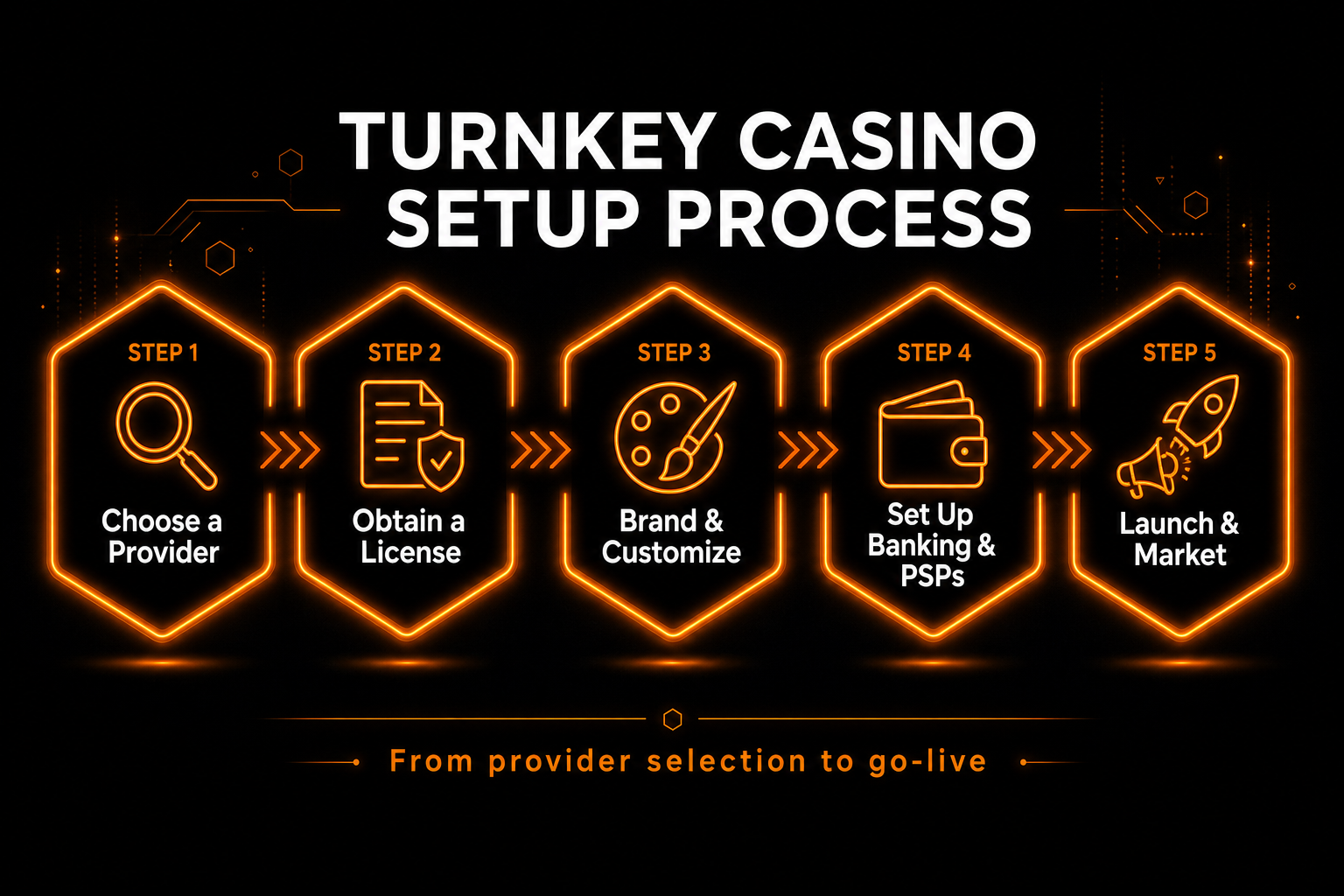
The setup path is usually shorter than a custom build, but it still has clear stages.
Step 1: Choose a Turnkey Provider
The first decision shapes everything after it. Product depth, payment reach, support quality, content breadth, and regulatory fit matter more than a flashy sales deck.
Step 2: Obtain a Gambling License
A turnkey gambling solution can support licensing work, but it does not remove legal responsibility when the operator owns the authorization path. The right jurisdiction depends on target markets, banking access, risk appetite, and budget.
Step 3: Brand and Customize Frontend
This is where theme, navigation, retention hooks, and mobile logic get tuned. A strong turnkey casino website should feel native to its audience, not like a generic export with a new logo.
Step 4: Set Up Banking and PSPs
PSP onboarding often takes longer than game onboarding. Operators need approvals, risk checks, settlement logic, and clear reporting. Weak payment setup can delay launch harder than any design issue.
Step 5: Launch and Marketing
Going live is not the finish line. Affiliate setup, CRM journeys, promo rules, segmentation, and reporting have to be ready on day one. That is why turnkey gambling solution vendors now talk as much about growth tools as about technology.
Turnkey Casino Costs in 2026
Costs in 2026 still vary hard by market, feature depth, and license burden. Still, some broad patterns show up across supplier and legal material.
| Cost Type | Typical Range | Notes |
| Setup Fee | USD 30,000–50,000 | Initial config, launch support, base integrations |
| Monthly Fee | Varies by contract | Blended into support, hosting, or managed services |
| Revenue Share | % of GGR | Lowers upfront cost, raises long-term dependency |
| UKGC License | From £4,224 app + £4,199/yr | Scales with GGY band |
| Anjouan License | €17,828 issuance + €17,828/yr | Fixed annual renewal |
| Kahnawake License | USD 20,000/yr (up to 6 domains) | USD 500 per additional domain |
Setup Fees
GR8 Tech says many providers still use a USD 30k to 50k setup band. That usually covers initial configuration, launch support, and base integration work.
Monthly Licensing Fees
Some suppliers charge a fixed monthly fee on top of setup. Others blend it into support, hosting, or managed service bundles. Contracts differ, so operators need to model the total run rate, not just the entry invoice.
Revenue Share or GGR Cut
Revenue share is still alive in the turnkey iGaming market. It can lower up-front cash pressure, but it raises long-term dependency. For that reason many experienced operators negotiate harder on rev share than on setup cost.
License Application Costs
UKGC publishes a remote casino application fee starting at £4,224 and an annual fee starting at £4,199 for the lowest GGY band. Anjouan publishes €17,828 for issuance and the same amount for annual renewal. Kahnawake states a USD 20,000 annual CPA fee covering up to six domains, with USD 500 per extra domain. These figures show why jurisdiction choice changes the whole business case.
Top Turnkey Casino Providers
This part of the market is crowded, but a few turnkey casino providers appear constantly in serious operator conversations because they combine platform scale, content reach, and live market deployments.
SOFTSWISS
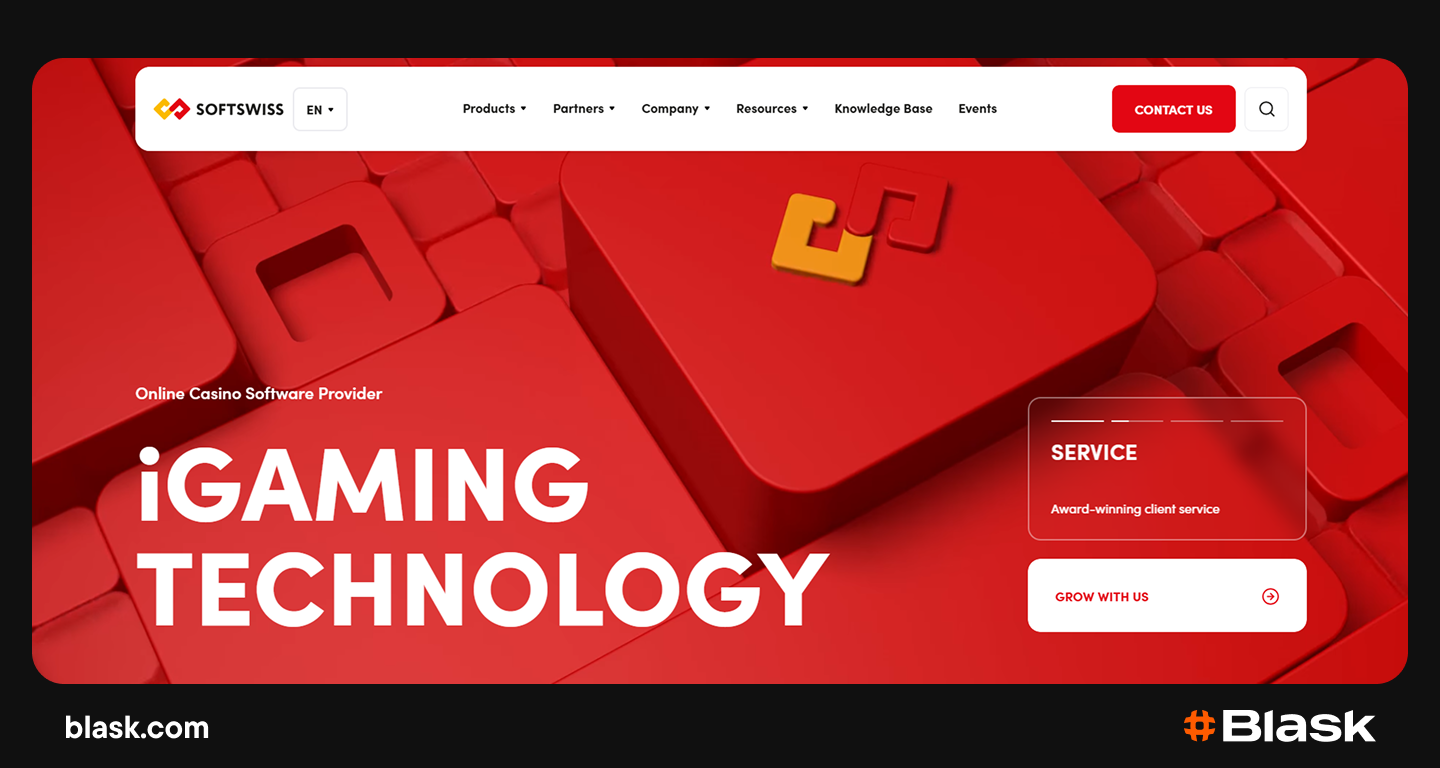
SOFTSWISS pitches its offer to operators that want their own licence and merchant setup while using a mature casino platform, PSP integrations, and infrastructure support. It also stresses regulated-market experience and ISO 27001 aligned security management.
BetConstruct
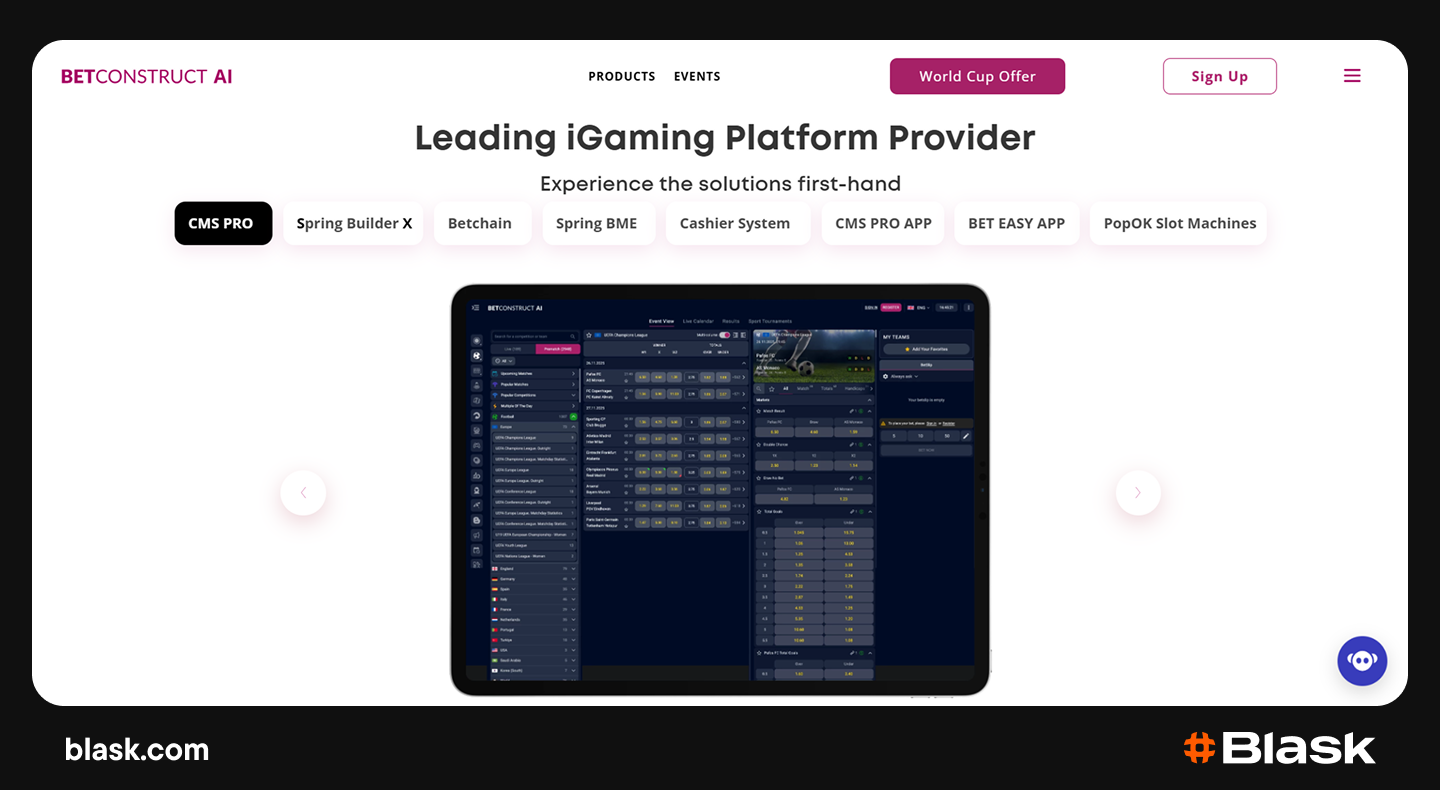
BetConstruct leans into breadth. Its turnkey stack combines sportsbook, casino, back office, risk tools, promo mechanics, and a large provider network. Its remote gaming server and multi-wallet pitch are especially relevant for operators with mixed fiat and crypto plans.
EveryMatrix
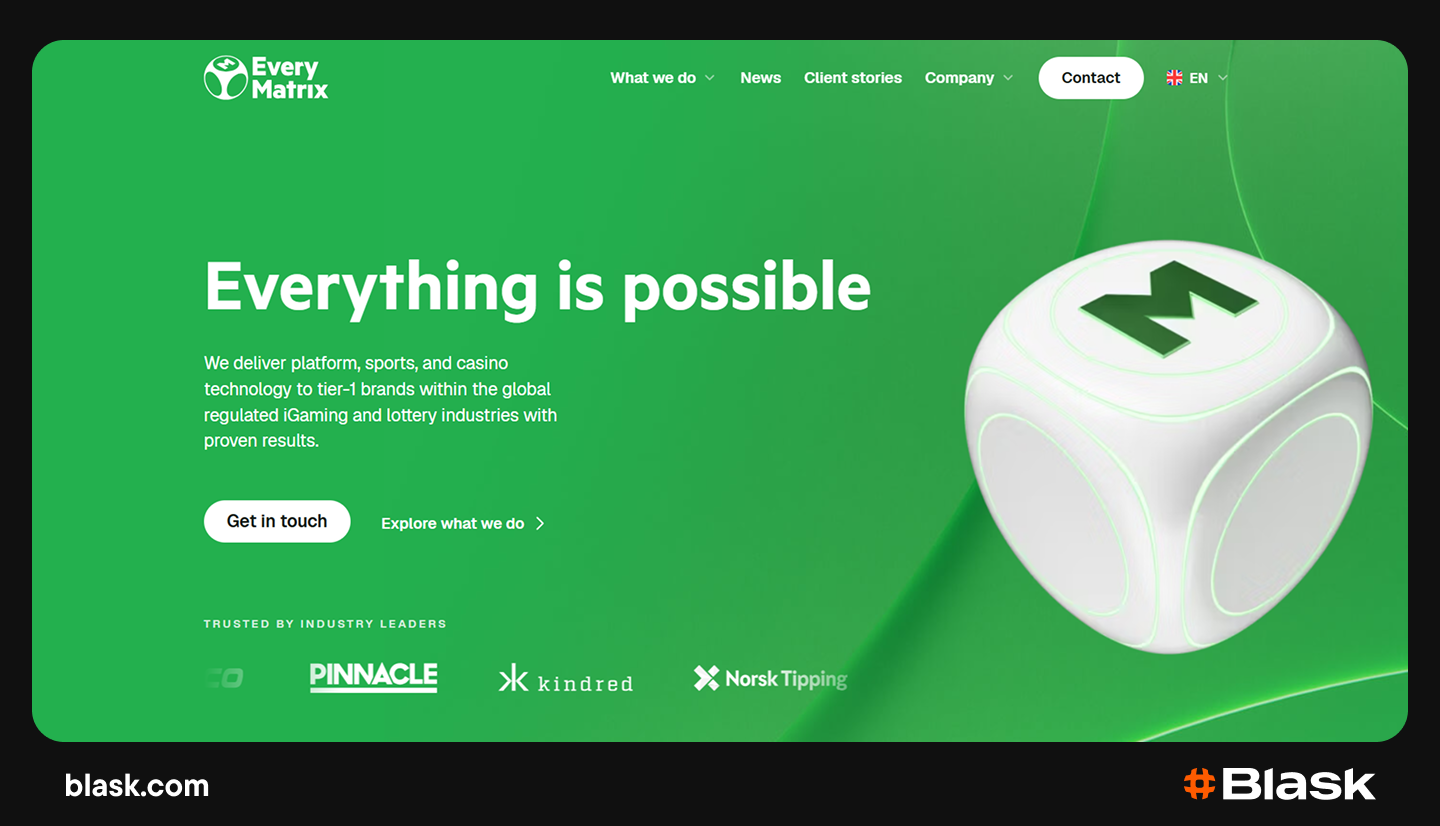
EveryMatrix sells a full-turnkey delivery model that unites PAM, wallet, content, operations, compliance, and growth support. Its real edge sits in casino aggregation and engagement modules.
Soft2Bet
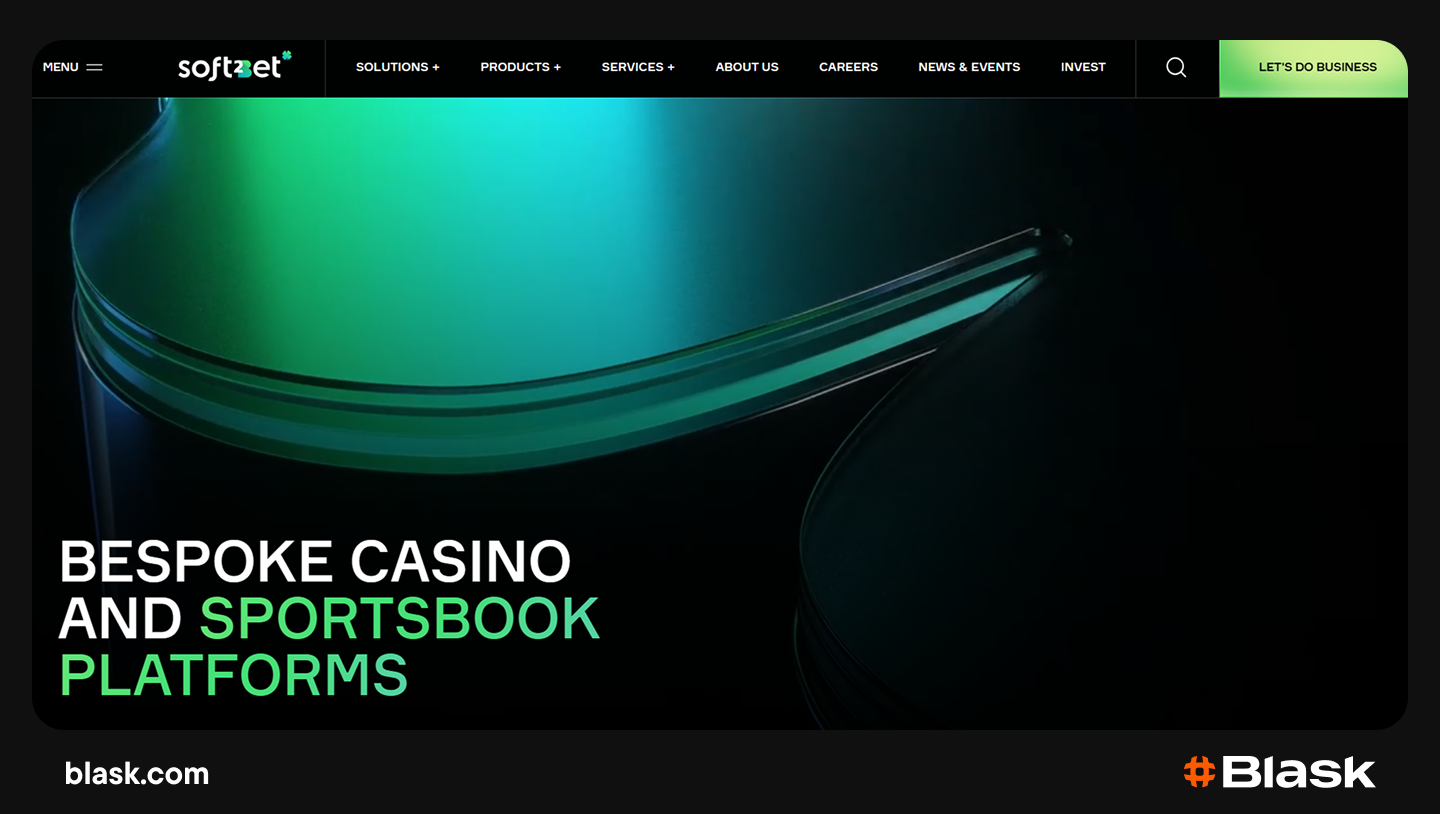
Soft2Bet stands out on gamification, cashier flexibility, and CRM depth. It also pushes fast launch with pre-integrated design, payments, and responsible gaming flows.
Slotegrator
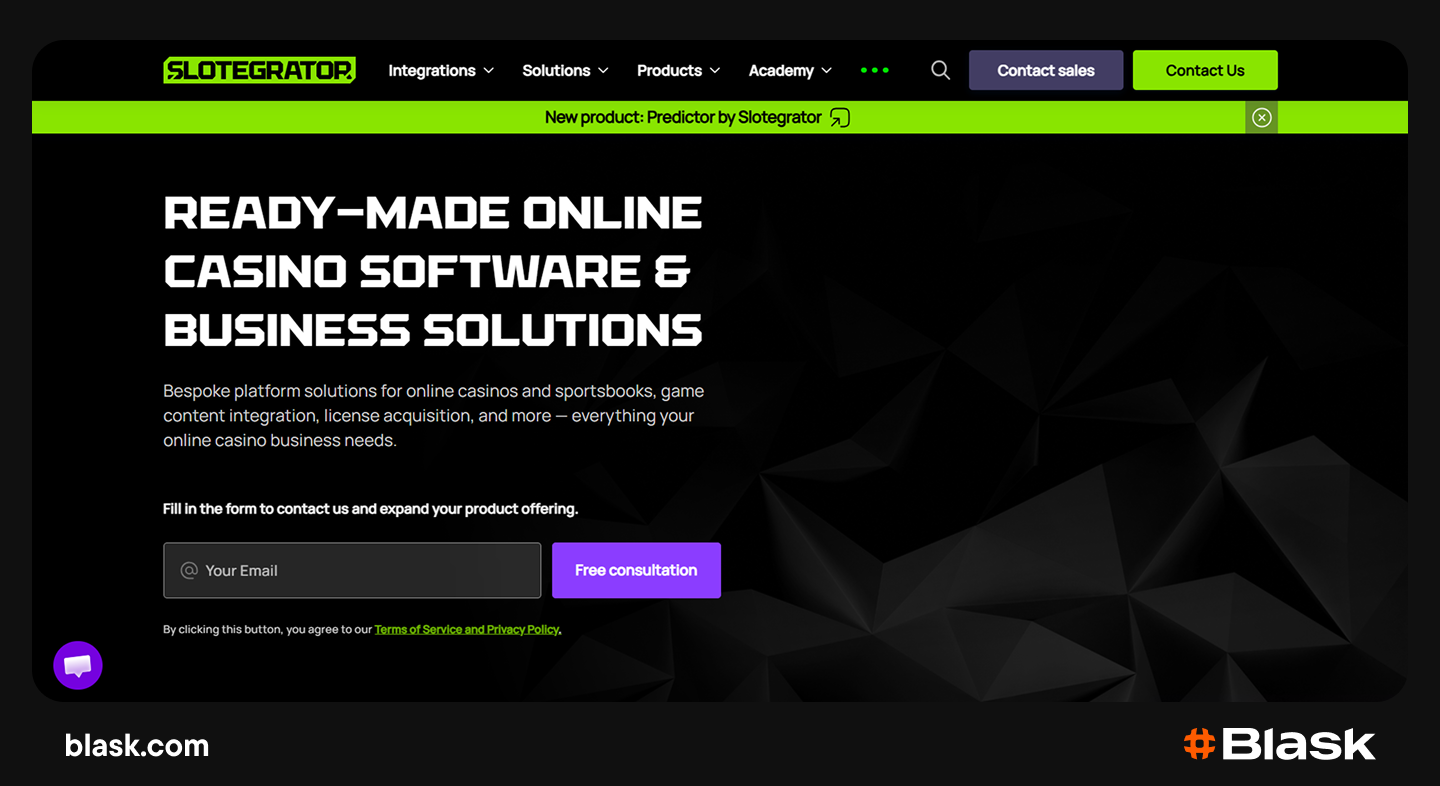
Slotegrator is still widely associated with modular casino platform delivery and account management support, though the specific page retrieved here had changed. That alone is a reminder to confirm current product scope directly before signing.
GR8.tech
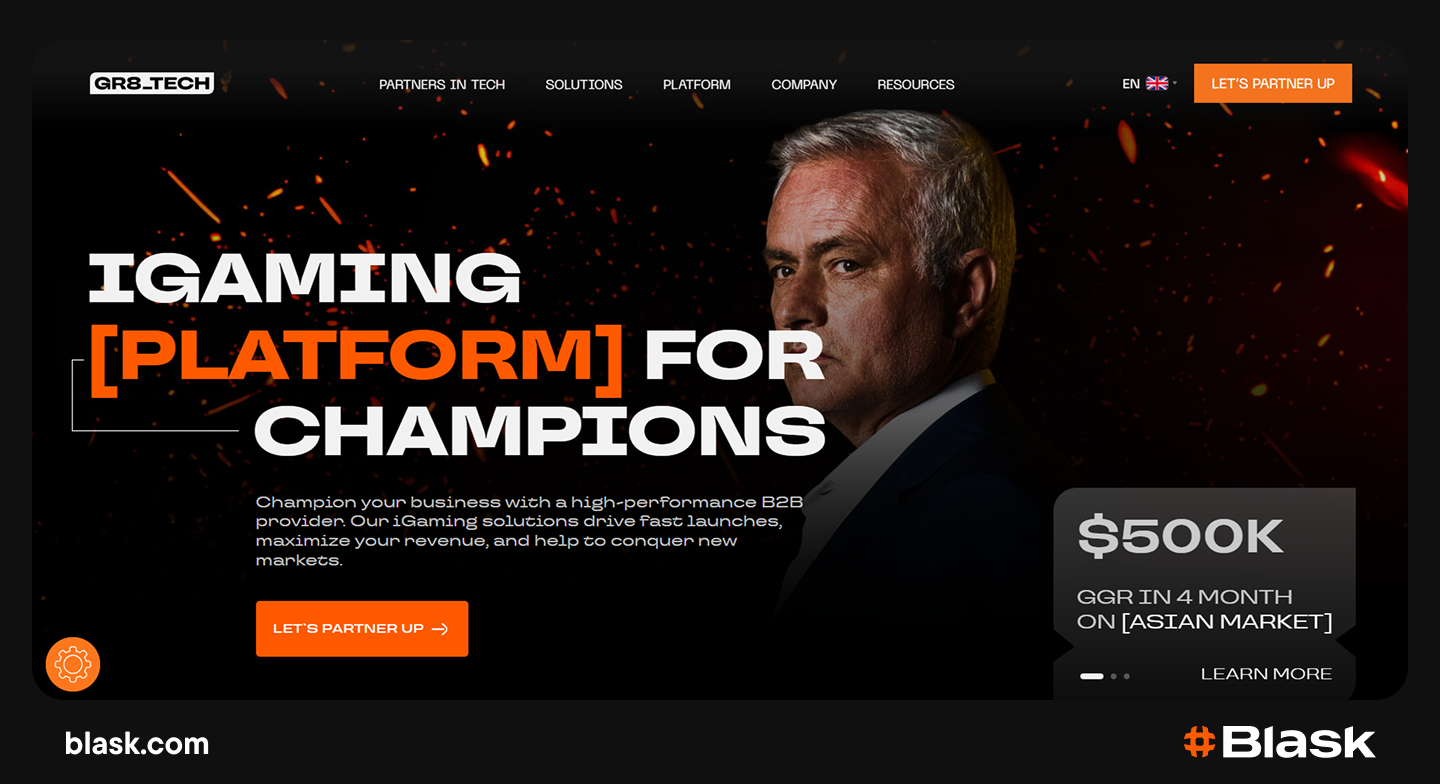
GR8 Tech pushes modular control, local and global payment options, fraud tools, bonus engines, and flexible front-end customization. Its public material is also unusually clear about launch timing and business model tradeoffs.
How to Choose the Right Turnkey Provider
The right fit depends less on marketing size and more on operational match.
Game Library Diversity
Depth matters, but structure matters more. A platform should offer enough slots, live tables, crash titles, jackpot tools, and provider variety to support both acquisition and retention.
Jurisdiction Coverage
Some vendors are stronger in offshore entry, some in Europe, some in hybrid or omnichannel projects. Operators should test regulatory experience, not just content volume.
Customization Flexibility
The right turnkey casino solution should allow meaningful product changes. Cosmetic editing is not enough if the long-term plan includes local offers, custom retention logic, or deep reporting.
Support and SLAs
Technical support, response time, migration help, and partner onboarding all shape real launch performance. A cheaper contract can become expensive fast if support quality is poor.
Pros and Cons of Turnkey Casinos
| Pros | Cons |
| Faster launch than custom development | Higher entry cost than basic white label |
| Lower technical complexity | Licensing burden can sit with the operator |
| Pre-integrated games and payments | Vendor quality varies a lot |
| Easier scaling in early stages | Custom work can still add time and cost |
| Better path to operational independence than white label | PSP and compliance delays remain external risks |
Licensing Considerations
Licensing is where many launch plans either mature or collapse. A platform may be ready in weeks, but legal access to the target market follows a different clock. That is why a turnkey casino solution is only as strong as its jurisdiction plan.
| Jurisdiction | Entry Cost Level | Best For |
| Curaçao | Lower, faster process | Global entry, offshore market testing |
| MGA | €25,000 fixed annual licence fee, €5,000 One-time license fee | European regulated market access |
| UKGC | High — from £4,224 app fee | Great Britain operators |
| Anjouan | €17,828 issuance + renewal | Alternative to crowded license paths |
| Kahnawake | USD 20,000/yr, up to 6 domains | North America adjacent operations |
Curaçao (Fast and Affordable)
Curaçao still gets positioned as a faster, lower-friction route for global operators, though the framework has been evolving and exact cost structures should be checked before filing. SOFTSWISS also notes support around reporting and backup server setup linked to Curaçao requirements, which shows the jurisdiction remains operationally relevant for vendors.
MGA (Premium Market)
MGA remains a premium path because it is tied to a respected European regulatory environment. The Authority’s B2C licensing hub clearly separates remote gaming services from other gambling verticals, which reflects a structured and formal application process.
UKGC (Strict but Trusted)
UKGC is strict, expensive at scale, and heavily compliance-driven. It also remains one of the clearest examples of transparent fee publication and market trust. For operators targeting Great Britain, the regulator’s own wording makes the scope very explicit.
Anjouan and Kahnawake (Alternative Options)
Anjouan publishes a simple fee schedule, while Kahnawake outlines formal application materials and a domain-based fee structure. These routes can appeal to operators looking beyond the most crowded licensing paths, but due diligence still matters because the banking and market-access profile can differ a lot by target region.
Common Mistakes When Launching a Turnkey Casino
The biggest launch errors are rarely flashy. They are usually boring and expensive:
- Underestimating PSP onboarding time,
- Choosing a licence before choosing target markets,
- Ignoring CRM and retention setup before launch,
- Focusing on game count instead of product fit,
- Signing vague SLA terms,
- Treating rev share as harmless because setup looks cheap.
Future Trends in Turnkey Solutions for 2026
The next wave is less about basic launch and more about operational intelligence. Better fraud scoring, smarter routing, stronger segmentation, AI-led recommendations, and compliance automation are becoming standard. The best vendors are also pushing deeper loyalty logic, more local payment coverage, and mobile-first performance as default. That means the next strong turnkey casino build will not just launch fast. It will learn fast, localize fast, and optimize faster than older stacks.