

On Wednesday, March 11, William Hill’s communications team sent a message to the industry: the company had just experienced its most profitable day at the Cheltenham Festival in its 90-year history. The William Hill Cheltenham headline traveled fast. It was the kind of story that brands pay to have told.
The data behind the headline is more complicated.
Blask tracks real-time consumer demand across 359 active brands in the UK betting market. In the twelve months before Cheltenham 2026, William Hill’s Blask Index — a composite measure of market demand — fell 40%.
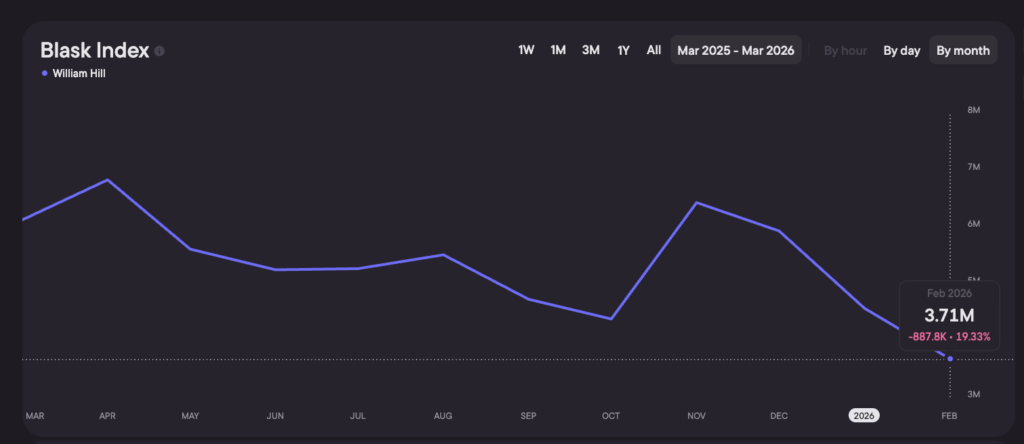
It dropped from 6.85 million in April 2025 to 3.71 million in February 2026. Its share of all UK betting demand declined from 13.4% to 8.2%. Among the top six UK brands, William Hill posted the steepest month-on-month decline in February: down 19.3 percent.
What William Hill’s Cheltenham result actually shows
The Festival itself is real. Cheltenham is the biggest four-day racing event in the UK betting calendar, ahead of the Grand National and the Derby. William Hill projects £450 million in total industry wagering across the 2026 Festival — a figure confirmed in its own press releases and by independent racing media. That number is an industry total, not a William Hill handle.
Day 1 of the 2026 Festival, Tuesday March 10, was expensive.
Two winning Epic Boosts — the company’s promotional enhanced-odds products — produced losses in the millions. Day 2 swung back. The favourites lost. No Drama This End, Romeo Coolio, Majborough, Be Aware: all beaten. Day 2 became William Hill’s most profitable Cheltenham day on record.
The company framed it as a story about heritage: 90 years in the industry, the County Handicap Hurdle sponsorship since October 2024, on-site retail shops at Cheltenham since 2018. The framing is deliberate.
Its context is harder to spin.
The UK market is growing — just not for William Hill
The UK regulated sports betting and online casino market is not in decline. From March 2025 to February 2026, total monthly active player sessions tracked by Blask ranged from 1.54 million to 1.81 million. The October-to-December 2025 rise — driven by UEFA Champions League matchdays, the Autumn Nations rugby series, and NFL London Games — pushed the market Blask Index from 49.4 million to 53.8 million.
The growth is going elsewhere.
| Brand | APS (Dec ’25–Feb ’26) | YoY % |
|---|---|---|
| Bet365 | 507,022 | +18.4% |
| William Hill | 432,406 | −9.3% |
| Ladbrokes | 344,889 | +23.9% |
| Paddy Power | 311,022 | +22.8% |
| Sky Bet | 307,134 | −10.0% |
| Coral | 296,072 | +20.9% |
| Betfred | 213,600 | +33.9% |
| Betway | 105,813 | +38.0% |
APS = Acquisition Power Score — The Acquisition Power Score (APS) is an AI-driven metric that provides a realistic benchmark of how effectively a brand’s presence in the market can convert into new customers. By combining factors like brand visibility, consumer interest, and competitive positioning, APS offers a forward-looking perspective on customer acquisition potential.
Ladbrokes grew YoY active player sessions by 23.9%. Paddy Power grew 22.8%. Betfred grew 33.9%. Betway grew 38.0%. William Hill shrank 9.3%.
Sky Bet also declined, by 10.0% — the only other major brand posting a double-digit YoY fall. But Sky Bet’s decline does not come with a strategic review, a potential asset sale, and mounting debt. William Hill’s does.
3 regulatory shocks in six months
William Hill’s trajectory since mid-2025 tracks the arrival of three simultaneous regulatory changes.
First: online slot stake limits took effect in April and May 2025. The cap is £5 per spin for players aged 25 and over, £2 for players aged 18 to 24. William Hill’s casino lobby is built around high-frequency slots and jackpot mechanic formats — Blueprint Gaming’s Jackpot King titles, Reel Kingdom’s Big Bass franchise.
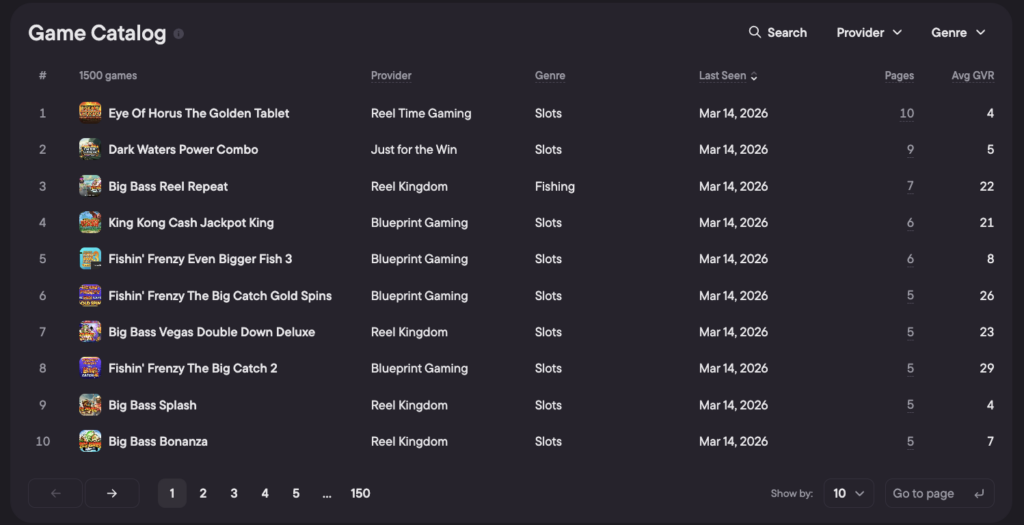
These are exactly the products the limits target most directly. Double Bubble, an older Gamesys-heritage slot, commands 55 to 59% of all William Hill game search demand through brand loyalty alone. The regulatory aim and the product mix are in direct conflict.
Second: a gambling levy, calculated as a percentage of gross gambling yield, came into force in October 2025.
Third: the remote gaming duty increased to 40% following the UK Autumn Budget, effective November 2025.
Three shocks in six months. The William Hill Blask Index began declining in September 2025 and has not recovered. The correlation is direct.
A company exploring a sale
The William Hill Cheltenham campaign is being run by a company simultaneously closing retail stores and exploring a full sale.
Evoke plc — William Hill’s parent company — reported a 22 percent year-on-year decline in betting revenue for full-year 2025. Q4 showed a modest recovery of 7 percent quarter-on-quarter, but it was casino-led, not sports-led. After the Autumn Budget remote gaming duty announcement, Evoke shares lost more than a third of their value. In December 2025, the company announced it was exploring strategic options including a potential sale of the entire group.
In that same month, Evoke withdrew William Hill from 13 countries across Africa, Asia, and Latin America: Angola, Bolivia, Burkina Faso, Cameroon, Kenya, Mozambique, Nepal, Nicaragua, Nigeria, the Republic of Congo, DRC, Somalia, and Vietnam. The brand’s geographic footprint in Blask data shrank from 52 active markets to 50.
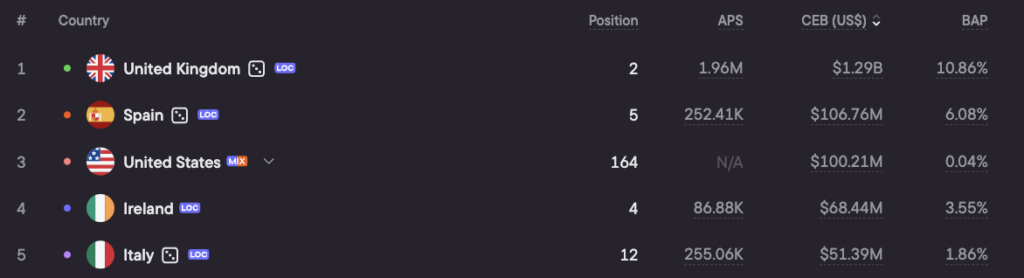
The Italian operation — William Hill’s second-largest market, representing 13% of total brand demand at its H1 2025 peak — was floated for potential sale to Morgan Stanley in November 2025. If that sale proceeds, William Hill becomes approximately 90 percent UK by Blask composition. A brand that opened the year in 52 markets is quietly becoming a single-country operator.
Why William Hill Cheltenham still matters — as Acquisition Infrastructure
None of this makes Cheltenham irrelevant to William Hill’s strategy. The reverse is true.
Optimove Insights, analyzing 68.8 million bets placed across the 2025 Cheltenham Festival, found that daily active bettors surged 178 to 189% above baseline during Festival week. Cheltenham is the single largest new customer acquisition window in UK horse racing. For a brand with a declining demand trajectory, the Festival represents the most concentrated opportunity of the year to reverse it.
William Hill’s on-site retail shops, its County Handicap Hurdle sponsorship, and its Epic Boost promotions are acquisition infrastructure. The heritage narrative is the vehicle. The goal is converting first-time Festival bettors into retained customers.
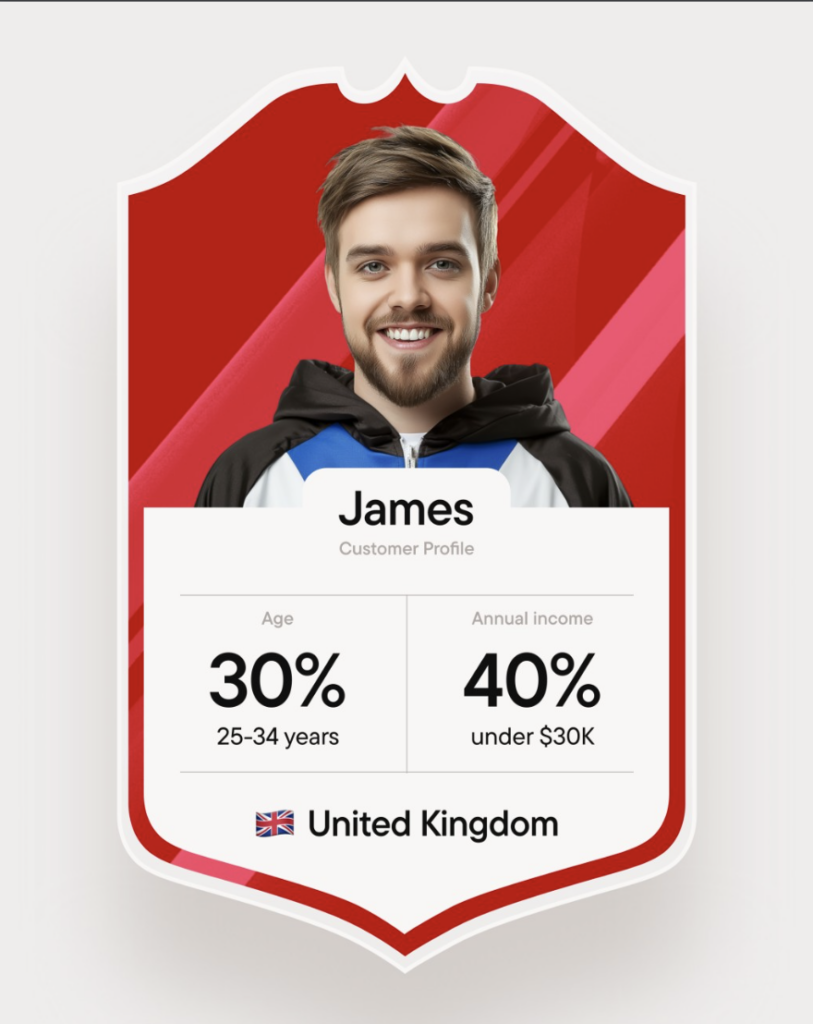
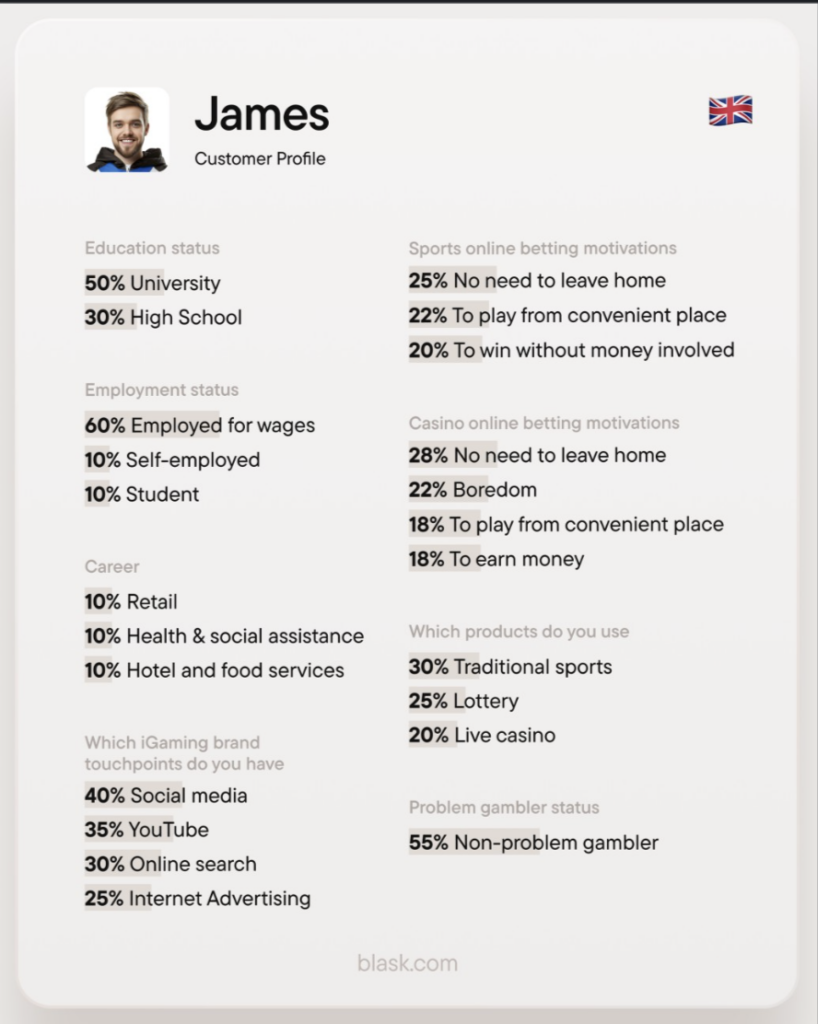
The structural challenge: William Hill’s primary touchpoints — retail shops and TV advertising — index toward a 35-and-over demographic. But UK betting customers aged 25 to 34 represent 30% of the market; 18 to 24-year-olds represent another 25 percent. Together, those groups access brands through social media (40%), YouTube (35%), and online search (30%). The sponsorship model is built for an audience that represents a declining share of the addressable market.
The market is choosing its winners
The competitive dynamics around Cheltenham 2026 are unusually revealing.
Bet365 — the UK’s number-one brand by active player sessions, with 507,000 in the December-to-February period against William Hill’s 432,000 — ended its longstanding UK horse racing sponsorships in 2025, citing the remote gaming duty increase. BetMGM expanded its Cheltenham presence. Coral retreated from Festival sponsorships. William Hill doubled down.
The divergence reflects different balance sheets and different bets on regulatory survival. Bet365’s year-on-year player session growth of 18.4% — despite exiting racing sponsorships — suggests brand demand is driven more by product and price than by event calendar presence.
William Hill’s continued investment in Cheltenham heritage is a defensive move: maintaining brand salience in a segment where the brand has established equity, while the broader acquisition funnel — digital, social, young-bettor-facing — continues to erode.
What the march spike will and won’t, tell you
Cheltenham will produce a March 2026 spike in William Hill’s Blask Index. It does every year.
The Cheltenham November Meeting produced a spike to 6.45 million Blask Index in November 2025 — the highest single month in the trailing twelve months. The spike did not hold. By February 2026, the index had fallen to 3.71 million — the lowest reading in the dataset.
The next structural test is the remote gaming duty increase to 40%, effective April 2026. That shock is not yet visible in demand data. It is already visible in competitor behavior: Bet365’s sponsorship exits, Coral’s festival retreat, Evoke’s ongoing strategic review.
William Hill’s most profitable day in company history at Cheltenham is a genuine commercial result. It is also a carefully timed counter-narrative to a twelve-month data picture that shows the brand losing demand share in its home market, exiting international markets at scale, and entering the spring racing season under the heaviest regulatory and financial pressure of its modern history.
The Festival doesn’t last forever. The trend does.