
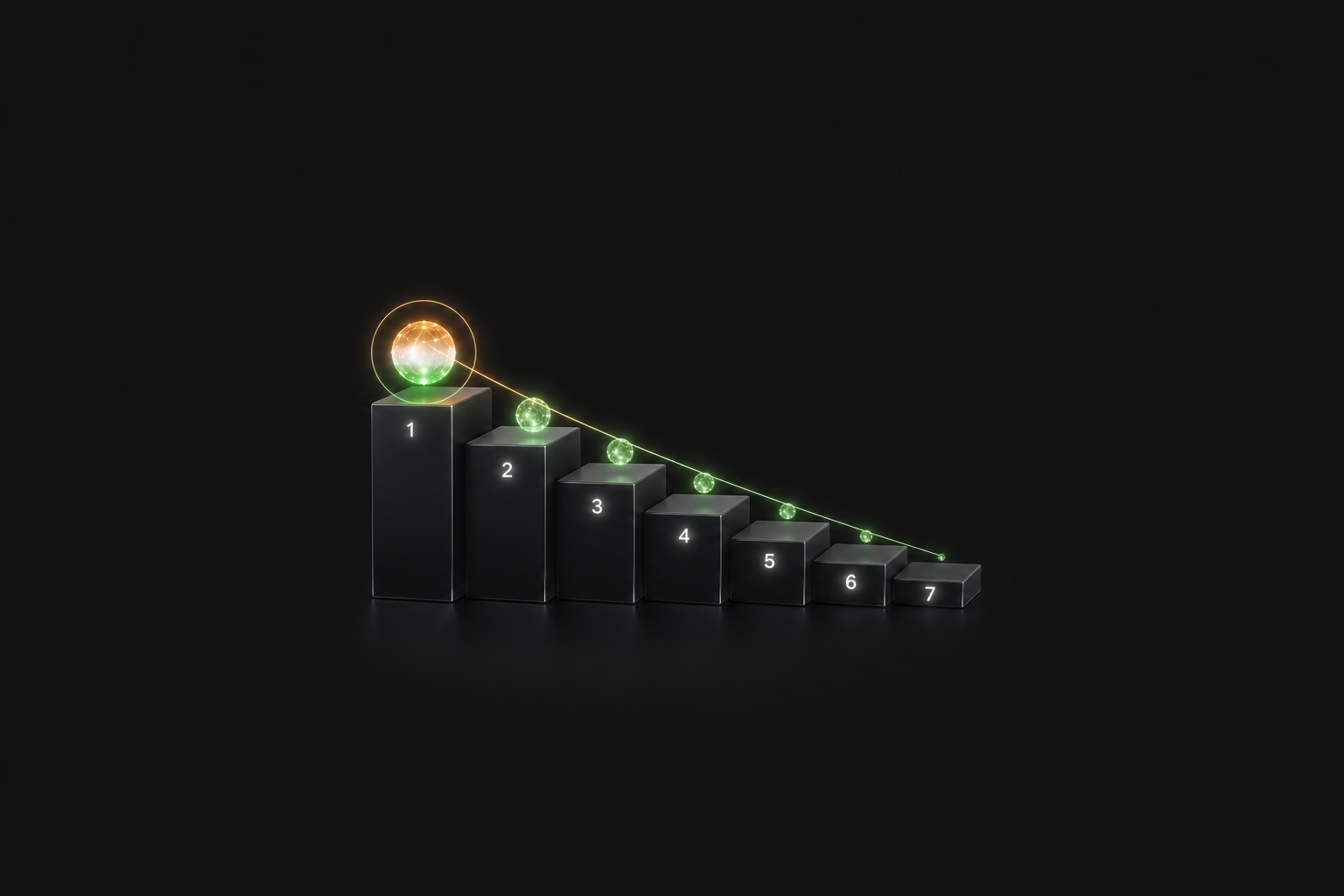
IPL 2026 ended on May 31. Blask data shows that demand peaked on the first day of the tournament and never recovered before the final.
IPL is the main seasonal driver of sports betting demand in India. The tournament traditionally creates the country’s largest annual spike in betting interest. Historically, the market has gained an audience from the opening rounds and held it through to the final match.
On March 28, 2026, when Royal Challengers Bengaluru hosted Sunrisers Hyderabad in the opening match, Blask Index reached the highest IPL opening level across nine seasons of observation. After that, demand declined for seven consecutive weeks.
In previous seasons, the opening match marked the start of growth:
- In 2024, the market almost doubled from the opening to the April peak of 3.0M.
- In 2025, the peak came on the second day, as the market entered the IPL already warmed up by six weeks of the Champions Trophy and WPL.
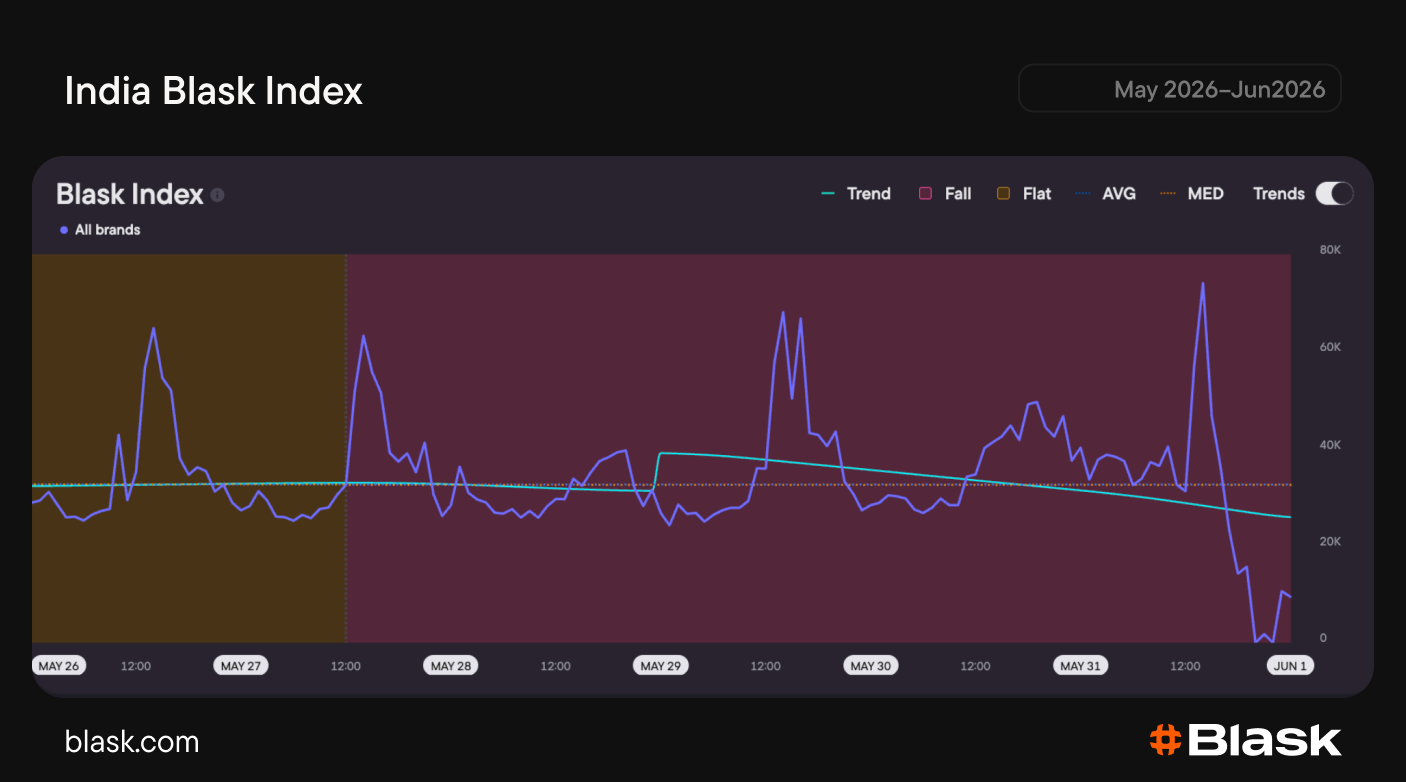
Market dynamics during the tournament
Blask Market Intelligence records a series of specific events, each of which created a new barrier between the player and the operator.
March 20 — before the start of IPL. Authorities blocked around 8,4K websites and apps linked to gambling and betting. The market entered the IPL already under pressure.
April 6 — start of the second week: RBI required payment aggregators to use CKYCR for merchant onboarding, tightening compliance around the payment layer used by offshore bookmakers and making payment access harder during IPL.
April 9. MeitY instructed VPN providers to close access to blocked betting platforms. One of the main ways to bypass blocks was closed directly during the tournament.
April 24. RBI cancelled Paytm Payments Bank’s licence. For operators working through UPI, this meant the loss of one of the key payment routes at the peak of the season. Blask Index in the last week of April reflects this hit.
May 1. Online Gaming Rules came into force, locking in regulatory pressure for the rest of the season.
Every one and a half to two weeks, a new regulatory barrier appeared. In total, IPL 2026 took place under conditions that had not existed in any previous season.
What this means for operators
Pent-up demand burned out in the first 48 hours of the tournament. Operators that were not live by March 28 missed the only major demand wave. Those dependent on Paytm lost a key payment route in April, while operators without payment diversification absorbed each of the five regulatory shocks directly.