- Updated:
- Published:
Performance marketing was never a business. It was a lease

Years of performance spreadsheets taught me to judge marketing by payback windows. None of them had a column for who owns the audience.
Performance marketing in iGaming runs through a handful of channels, and the argument about them rarely moves past whether each one still works. The industry buries SEO and revives it every other year, calls PPC dead in one market while it delivers record numbers in another, and keeps pouring budget into Facebook without saying much about it publicly.
Those are fair questions, and the channels deserve an honest look before anything else. The harder question sits underneath them: what happens to that revenue when the platform on the other side changes its mind.
SEO is not dead
“SEO is dead” is a rumour, not a fact. Search intent has not disappeared. Traffic has moved between publishers, formats and interfaces, while AI products have started taking a visible share of discovery.
The economics have become harder. In my experience, a SEO acquisition deal built around a listing fee and revenue share can take 10–12 months to pay back, even on a strong site. I still value the channel because it attracts high-intent users and can bring back dormant players who encounter a familiar brand while comparing operators.
Finixio illustrates the scale that search-led publishing can reach. In April 2022, the company reported a portfolio of more than 60 sites and 10M monthly unique visitors. In December 2023, it appointed its first Head of Gambling Content to oversee 24 writers across a network of more than 20 betting and iGaming sites.
AI referrals add another route into the same intent. Receptional analysed more than 100M visits and found that AI-referred users converted better than paid traffic, without a media cost per click. Its wider research puts the conversion rate at up to three times that of traditional search.
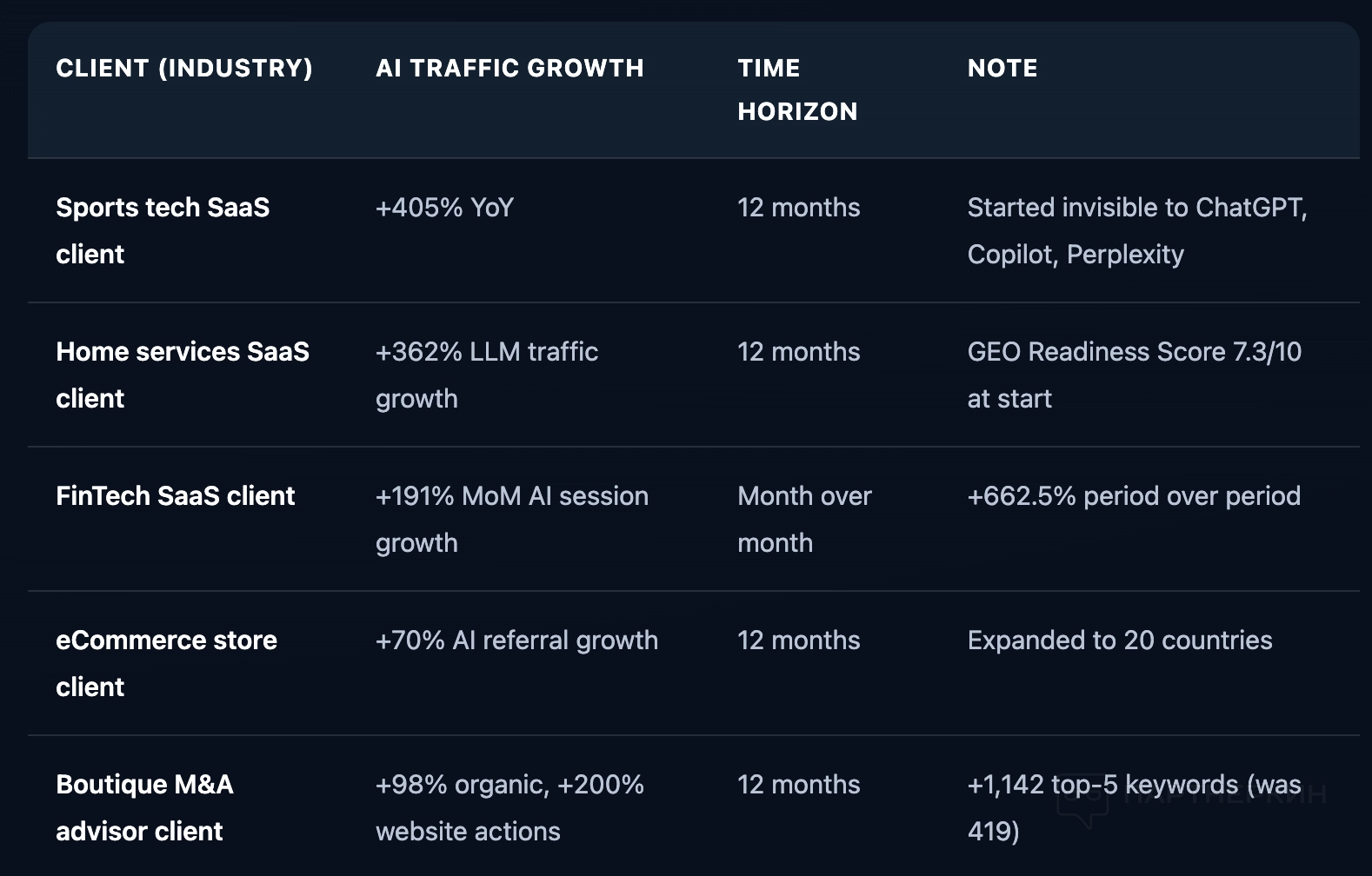
The sample sizes elsewhere remain small, but the direction is consistent. ProCloser.ai recorded AI referral growth of 70%–405% across five clients in four sectors in the 12 months to April 2026. ChatGPT supplied 72.3%–92.3% of those sessions. These are vendor case studies rather than a market census, but they show that search demand is finding new interfaces rather than vanishing.
PPC died only in the markets where the rules killed it
Black-hat PPC no longer works as a durable offshore acquisition channel. In regulated markets, paid search remains one of the clearest ways to buy existing demand.
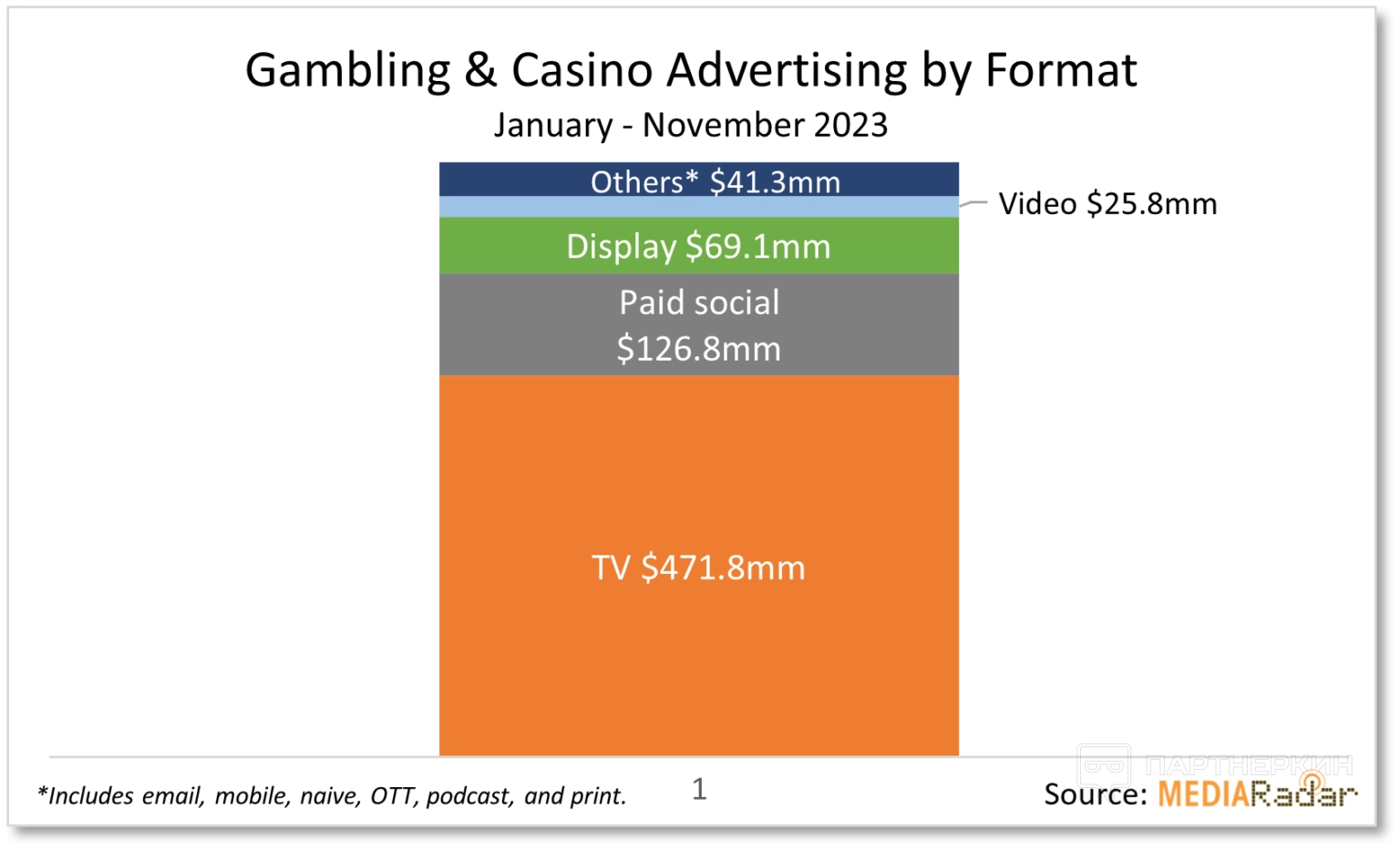
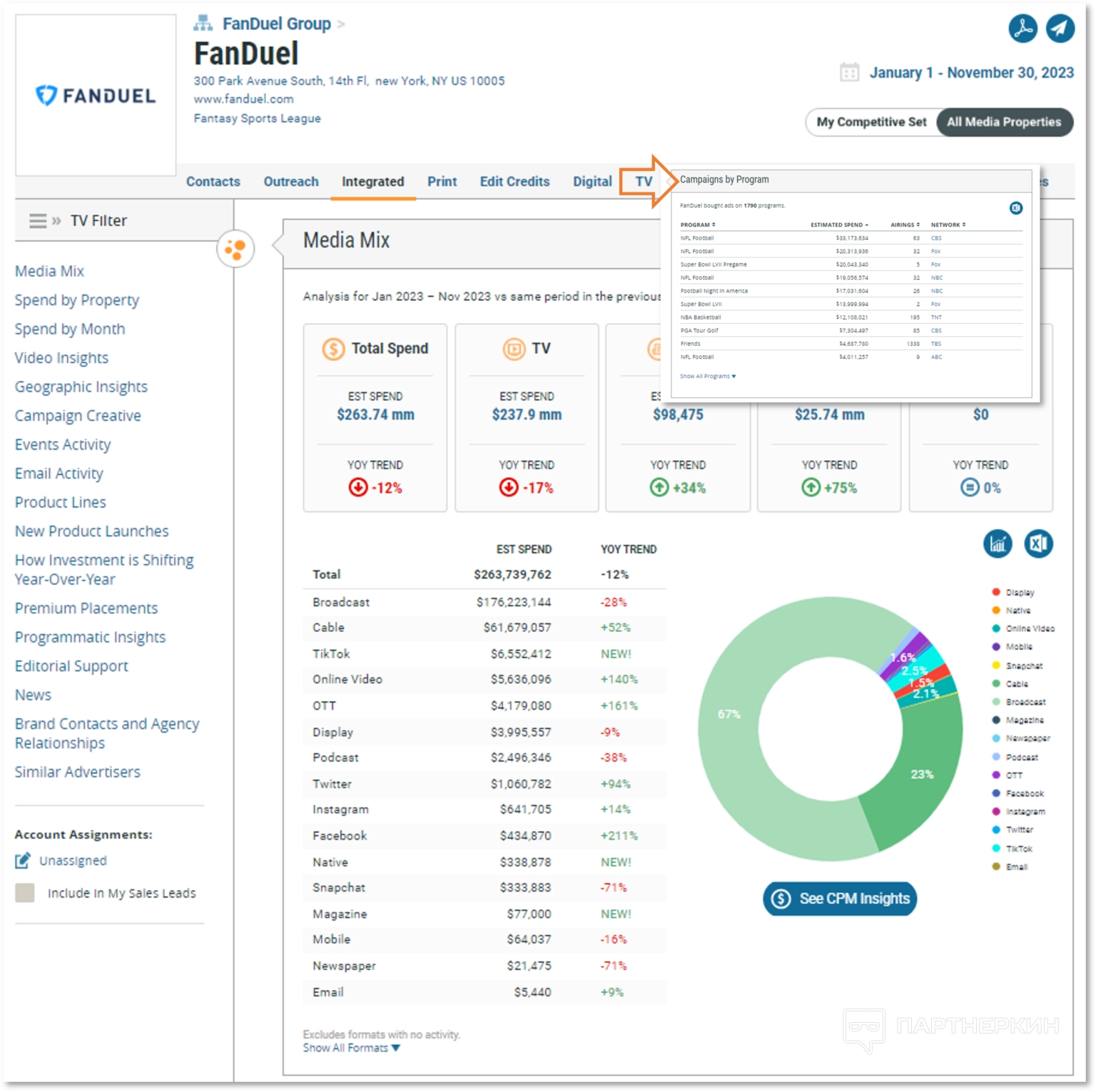
The scale is visible in the United States. An American Gaming Association analysis of Sensor Tower data counted online casino advertising from 1 January to 31 May 2025. Legal operators generated 50.91% of the impressions, while offshore and sweepstakes brands accounted for the other 49.09%. FanDuel alone produced more than 2.4B impressions in the period.
Those figures do not make PPC permanent. They show how much capital still moves through paid distribution when regulation and platform policy allow it.
Facebook still straddles regulated and grey markets
Facebook is the last major platform that, in my view, still works at scale on both sides of the line. Regulated operators can buy reach under clear rules. Grey-market teams depend on account infrastructure, whitelists and a tolerance for sudden disruption.
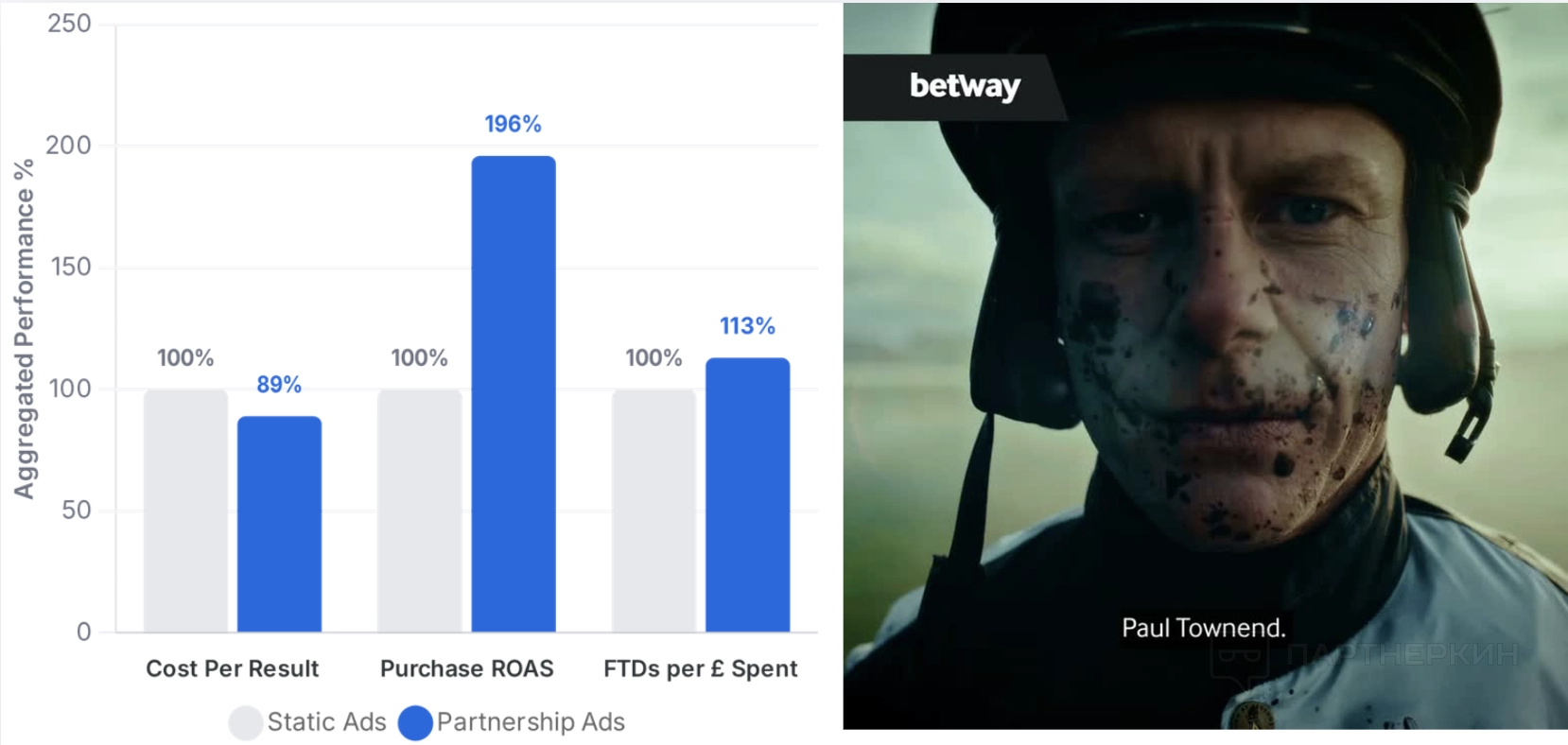
The regulated version can be efficient. During the 2026 Cheltenham Festival, Betway used Meta Partnership Ads featuring jockey Paul Townend instead of relying on static brand creative. According to Meta internal data published by EGR, the campaign delivered a 14% lower cost per result and 196% higher purchase ROAS than Betway’s highest-spending non-partnership static ad that week.
The case matters because the performance came from borrowed distribution combined with a recognisable person and a live cultural moment. Media efficiency improved, but the platform still controlled access to the audience.
Streaming and in-app traffic sit lower on the list
Streamer deals are difficult to forecast. Audience size says little about payback, and the distance between a viral clip and a depositing player can be wide.
Duel shows the upside when the format breaks through. Its live blackjack broadcasts turned the table into a stage: a dealer without hands, a SpongeBob costume, Lil Pump and a Mike Tyson appearance that ended with a reported $20 000 loss on stream. The format looks like a circus because the circus is the acquisition product.
A 287-day FairGambling analysis reported $1.02B in deposits and found that 80 accounts — the top 0.1% of players — generated 65% of turnover. The viral content did not produce a conventional mass-market player base. It attracted a small group of whales with disproportionate value.
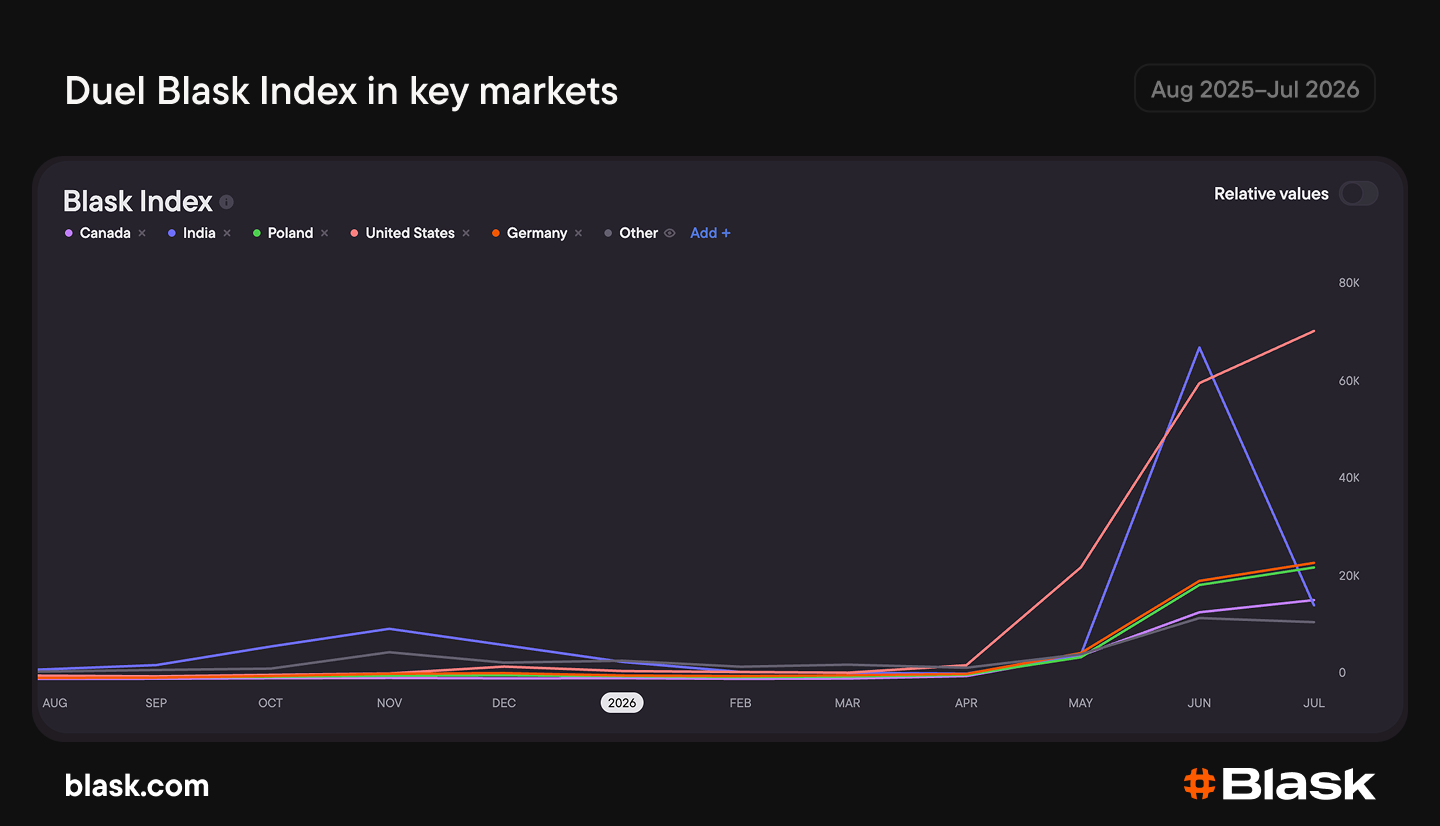
Blask Index, a measure of branded search demand, began rising across Duel’s main markets in April 2026. US demand reached a record for the brand between April and July, while India produced a sharp campaign-led spike that faded the following month. The pattern suggests that the streams created real attention across several markets, but not the same depth in each one.
In-app acquisition is harder to make work as a standalone engine, but regulated-market campaigns can still reach scale. A three-month BetRivers campaign in Ontario delivered 404M impressions, more than doubled registrations and increased first-time deposits by over 60%, according to a case study published by Kayzen. As with the AI referral studies and Meta results, these are vendor-reported numbers, so they describe a campaign rather than the whole channel.
Every acquisition channel has a landlord
SEO, PPC, Facebook, streaming and in-app advertising look like channels on a media plan. At company level, they are rented property. Each has a landlord that can change the locks without knowing the tenant’s name.
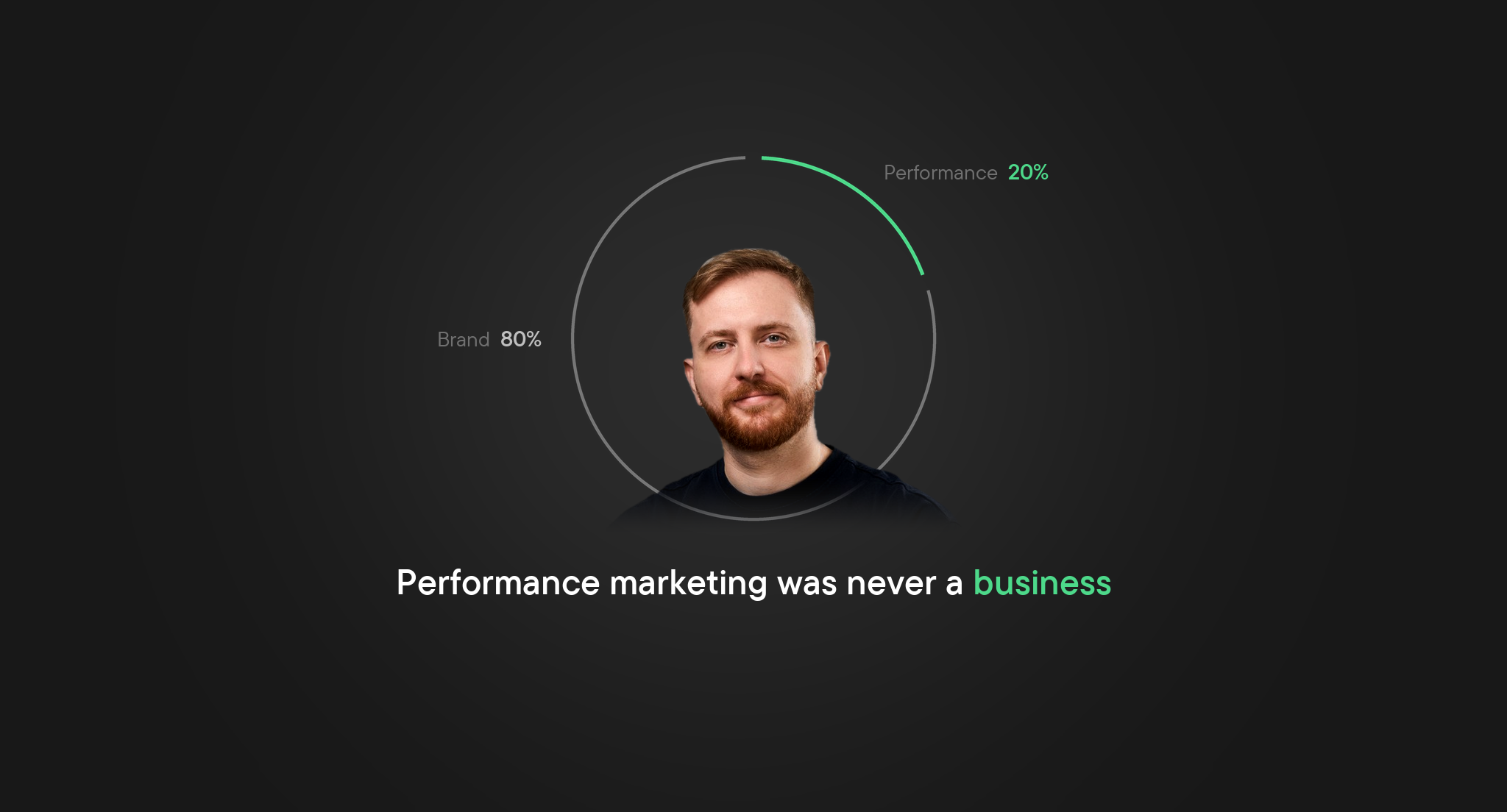
Mark Ritson has spent years arguing that brand building and activation operate on different time horizons. The evidence behind the familiar 60:40 benchmark belongs to Les Binet and Peter Field, whose analysis of the IPA Databank found that effective campaigns balance long-term brand investment with short-term activation. Ritson describes 60:40 as a cross-category starting point, not a universal formula.
I used to hear that argument and look back at a spreadsheet full of performance metrics. The spreadsheet always won because it showed revenue now, while brand effects arrived later and resisted neat attribution.
The spreadsheet was accurate, but I was asking it the wrong question: it measured rent and called it the business model.
A brand is the relationship that survives the channel: direct demand, community, memory and word of mouth. Those assets build over time and resist weekly attribution. They are also harder for someone else’s algorithm, policy team or account review to switch off.
Performance marketing remains essential because companies need activation and measurable returns. The mistake is treating access to somebody else’s audience as an owned asset.
Bottom line
Performance channels can build a large revenue line, but the operator never owns the road that brings the player in. Brand starts where that rented road ends: with the part of demand that still knows where to go after the landlord changes the locks.