- Updated:
- Published:
The fall of the grey market: How enforcement in one region often shifts demand to licensed brands

✍️ TL;DR
A wave of enforcement and licensing in a single market can rapidly shrink offshore supply and concentrate player attention on licensed operators. Peru’s 2024–25 rollout is a recent, clear example: regulators report a ~40% reduction in offshore online offers after licensing and blocking activity, and licensed brands gained visible share as a result. Operators and affiliates in other GEOs should treat enforcement events as opportunities, not just risks, and use trend signals (e.g., Blask Trends) to capture migrating demand, optimise spend, and convert new players.
The mechanics: why enforcement redistributes demand
When authorities move from permissive oversight (or non-enforcement) to active licensing, blocking, and financial controls, three things tend to happen quickly:
- Supply contraction. Offshore operators, especially sites relying on DNS tricks, payment workarounds, or ad loopholes, lose access to the market. In Peru, regulators and industry outlets reported substantial reductions in offshore online offers within a year of rollout.
- Trust re-balancing. Players faced with blocked URLs or payment issues shift to locally licensed brands. Licensing also unlocks compliant advertising and clearer tax treatment. This makes licensed operators more visible. Peru’s authorised sites list gave players a simple way to identify trusted local operators.
- Promotional reallocation. Licensed operators, now free to run ATL/BTL campaigns with deeper budgets, increase promo intensity around key sporting windows. Their share of attention grows compared to fragmented offshore supply.
Together, enforcement re-routes traffic and attention to the operators that are easiest to find, use, and trust.
Real-world proof points
- Peru: Public and trade reporting show offshore supply fell by ~40% within 12 months. This created room for licensed brands to capture demand.
- Regulatory clarity: Peru’s licensing hub and published operator list made it straightforward for players to identify authorised sites.
- Tax and compliance: A new 1% excise tax plus a net-win regime gave operators predictable economics. This encouraged planned acquisition strategies.
- Other regions: In Europe, tighter ad and promo rules reshaped acquisition funnels. Policy changes drove measurable shifts in user behaviour.
- Colombia: Earlier regulation created a concentrated, formalised market with licensed leaders. This market is now seen as a benchmark in LatAm.
What operators & affiliates should do when enforcement tightens
🚀 Discover: 30 Ways Blask Games empowers iGaming professionals
Enforcement is disruptive, but those who react thoughtfully gain share.
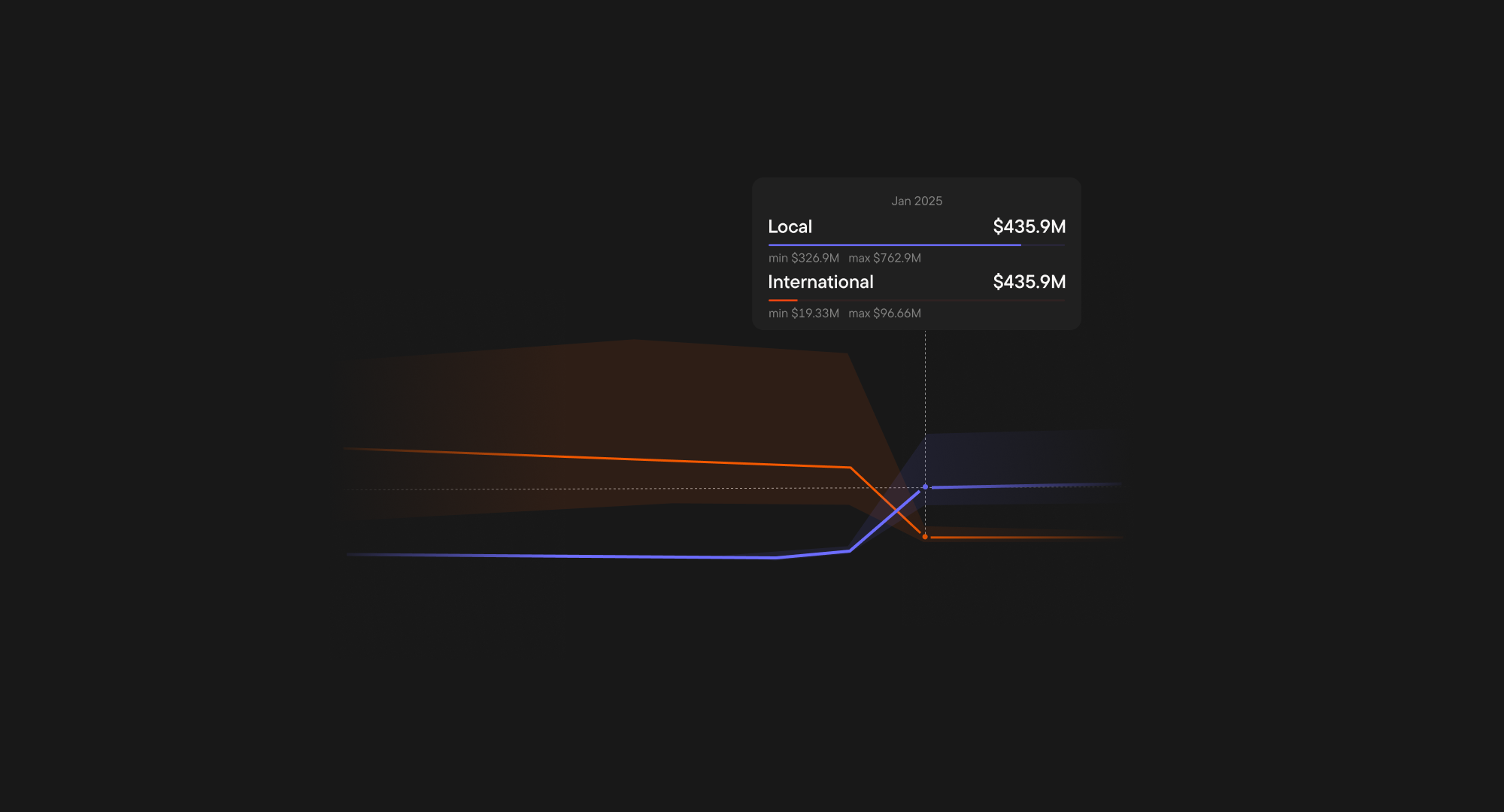
- Detect early. Watch supply signals such as blocked domains, payment friction, and ad inventory declines. Spot shifts in share-of-attention via Blask Trends.
- Surface trust cues. Update creatives and landing pages with local licence badges, payment logos, and clear KYC or payout language.
- Re-price acquisition. Expect higher friction but more predictable LTV. Use short test cycles (T-21 or T-2 promos) to recalibrate CPAs.
- Campaign around fixtures. Demand moves with sports calendars. Time acquisition bursts to these windows.
- Leverage local credibility. Partner with domestic brands or affiliates to reach players who prefer local operators.
- Turn compliance into a product feature. Position licensing, transparency, and safe withdrawals as value propositions in themselves.
What regulators and the industry can learn
- Transparency matters. Authorised lists and public guidance accelerate migration toward licensed operators.
- Targeted enforcement is effective. Payment blocking and ad restrictions cut offshore supply faster than long legal fights.
- Player protection works. Moving players to licensed sites with RG tools improves consumer outcomes while formalising the market.
How Blask Trends helps turn enforcement into growth
- Signal detection: See supply contraction and brand-share shifts in near real time.
- Windowed targeting: Align campaigns with fixture calendars using T-21, T-2, and T+3 timing (21 days before launch, 2 days before launch, and 3 days after the launch).
- Brand mover analysis: Identify which licensed operators are winning new share, and why.
Final word
Enforcement is not an end-state. It is a redistribution event. Markets that publish clear rules and act decisively accelerate the shift from offshore to licensed play. For operators and affiliates, the winners are those who track the signals, lean into trust cues, and plan spend around the sporting windows that actually drive demand.