Austria's online gambling reform cleared committee
Unlicensed operators that want one of the new Austrian concessions must stop serving players by 31 December, under a bill heading to a plenary vote.
 bySteffani LargardPublished

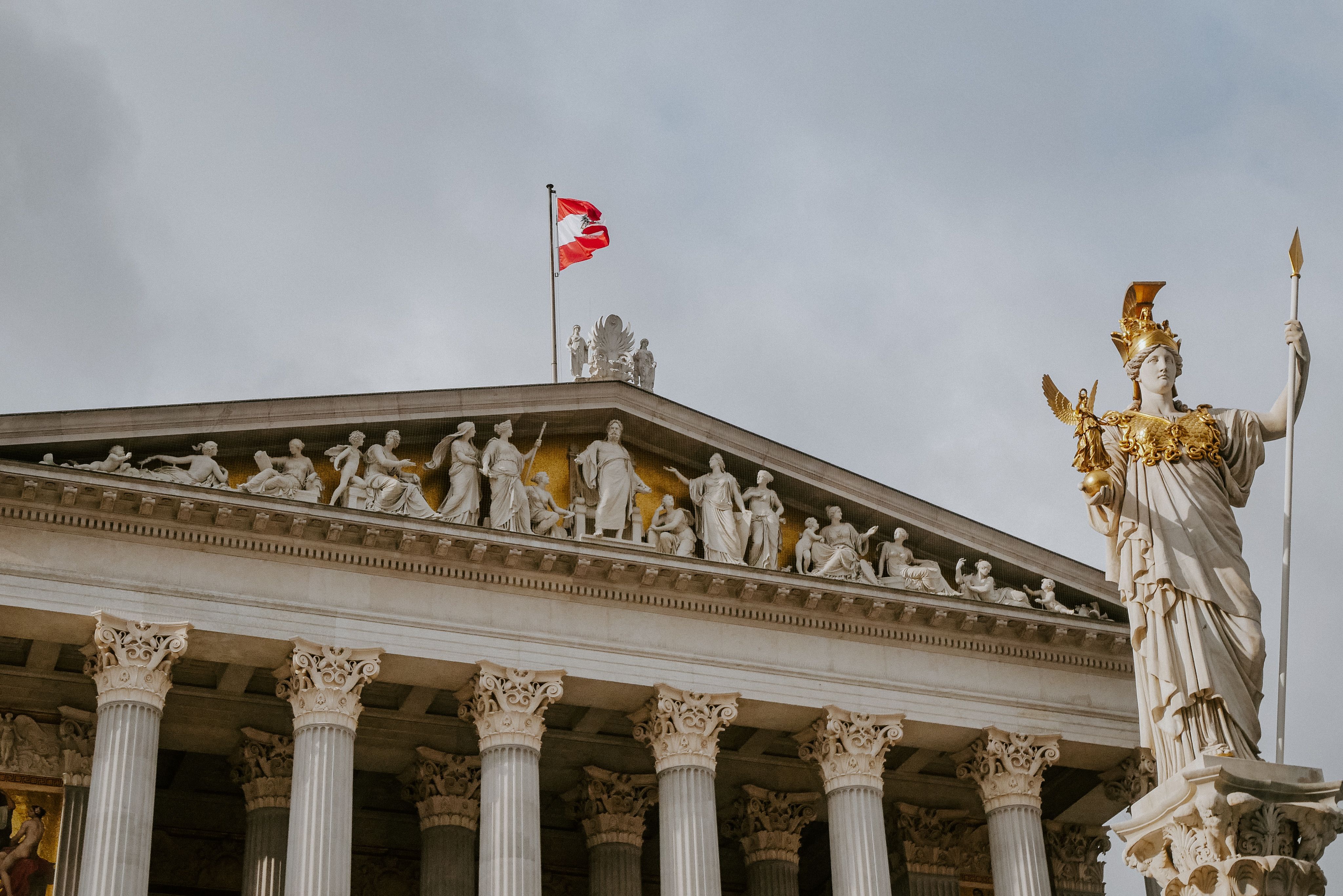
The Austrian parliament's Finance Committee approved a Gambling Act overhaul that opens the online market to several licensed operators. The People's Party (ÖVP), the Social Democrats (SPÖ) and NEOS, the three governing parties, voted for it, and the Freedom Party (FPÖ) and the Greens criticised it.
A concession is the licence the Austrian state grants to offer gambling. Online play currently runs under a single concession, a monopoly that expires on 30 September 2027, and every other operator serving Austrian players online does so without a local licence. The reform lets the state grant several online concessions instead of one, and the National Council is due to vote on it in December.
Under the bill, companies that have served Austria without a local licence must stop by the end of 2026 to qualify. Concessions can be granted from 1 January 2027 and take effect on 1 October 2027, only to applicants that have paid their tax debts and met final player-protection judgments.
Finance minister Markus Marterbauer said the new concessions would bring operators already licensed elsewhere in the EU into a legal market the state can control.
The reform also adds a central exclusion register, mandatory deposit limits, and website and payment blocking.
Blask data for October puts two onshore brands at the top in Austria: Win2day, the online platform of the current concession holder, with 44.1% of projected revenue (CEB), and AdmiraL with 17%. Together they held 61.1% of Austrian CEB.
AdmiraL is onshore without an online concession: Austria licenses online casino play, sports betting and land-based slots separately, and AdmiraL's footing comes from betting plus state slot-salon licences (Landesausspielungen) in several states.
Offshore brands took 28.7% of October CEB. Bet365, the largest of them, held 7.3% of the total.
If the National Council passes the bill, new licensees would enter a market where two onshore brands hold more than twice the CEB of all offshore brands combined.