
An operator promotes a support agent to CRM manager, sends free spins to players who never touch slots, and forgets about the player after the third deposit. Farkhad Gasimoff, CEO and founder of GNB Agency, on why iGaming retention keeps failing in the same four ways.
Farkhad Gasimoff CEO & Founder, GNB Agency 
We’ve worked in iGaming retention long enough to see the pattern: the same four mistakes repeat from operator to operator. Not different ones. The same ones.
Here they are:
- No real understanding of what retention is or how to build it
- No adequate segmentation
- Ignoring the specifics of the GEO the project runs on
- Ignoring the wider pool of retention tools
Let’s go through each one.
1. Retention gets handed to someone who “used to do something with emails”
The first and most common mistake is cutting costs. Operators try to save money on retention and hire someone unqualified.
Real case: a support agent got promoted to CRM specialist for one reason, quote, “he used to do something with emails.”
The result is predictable. The project has no full picture. Operators send email and SMS without understanding why, or how it affects player return. They set up a welcome sequence without knowing where the player goes next.
Almost every project we look at has the same gap: players get nurtured up to the third deposit, then silence. No more messages. After that, the player is supposed to remember the project on their own.
2. Free spins go to players who don’t play slots
The second common failure is sending everything to everyone, with no idea who should get what.
One example, from a client’s project before we came in: the in-house CRM manager kept sending free spins to players who only played live games.
A similar story: mixing sportsbook and casino audiences. One client ran two different traffic types, betting and casino, on a single casino brand. The CRM manager sent everyone betting offers only.
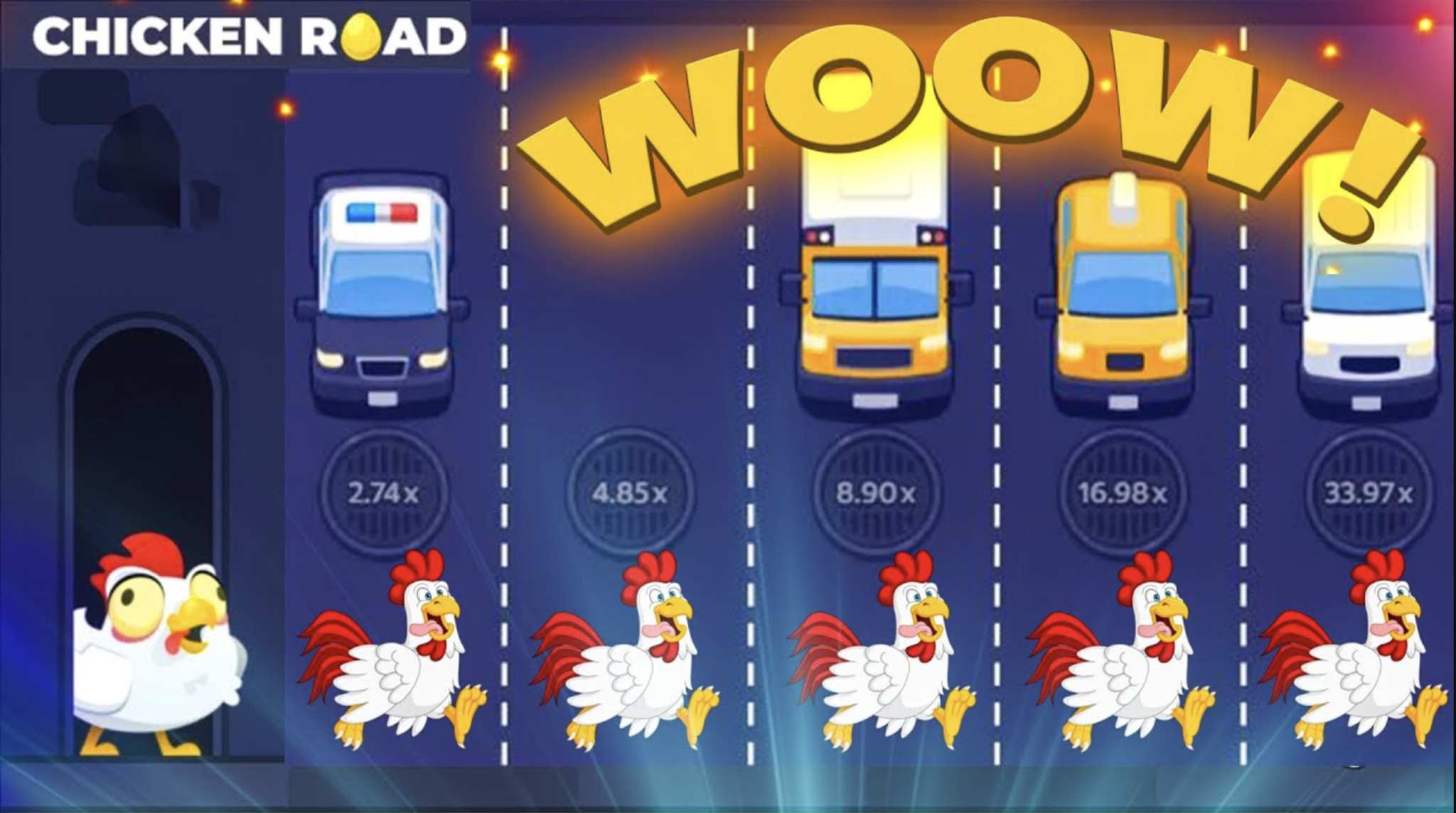
But the real pain point here is Chicken Road traffic. Many retention marketers don’t understand that the crash-game segment isn’t a casino audience at all. These are people who often don’t even realize they’re playing casino games. Then someone tries to feed them live games and free spins.
3. Salary day matters more than the Friday bonus
The third mistake is a classic: ignoring GEO specifics.
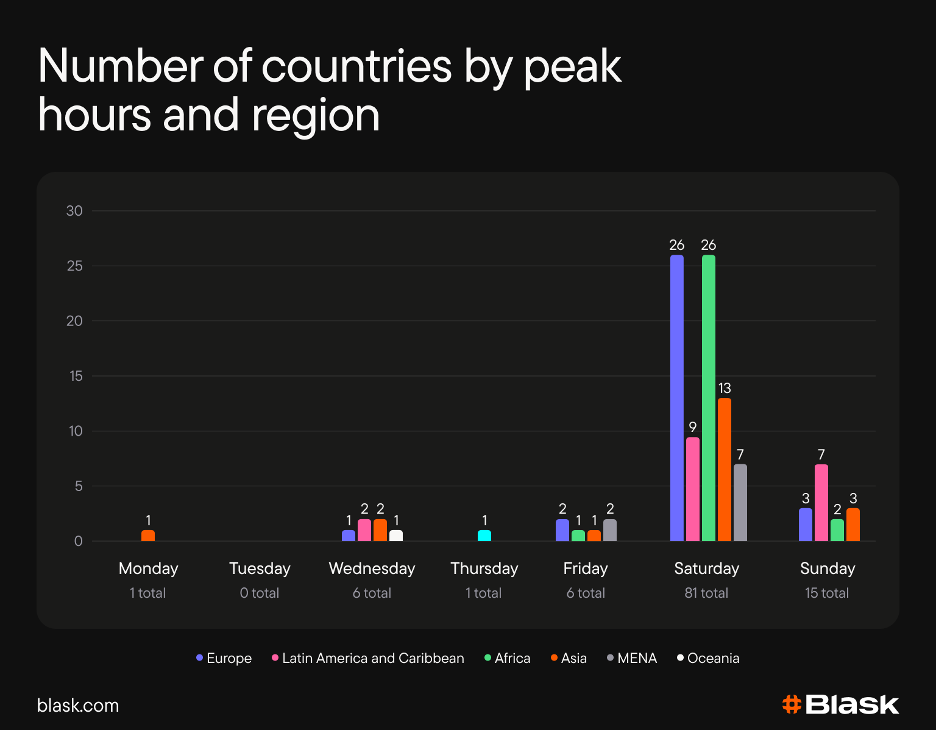
If you’re running Tier-3 traffic, salary day, the day wages get paid in that GEO, should be your first reference point. Many operators skip this entirely and focus on Friday bonuses instead, as if they were running a Tier-1 market.
Friday bonuses do work on Tier-3. Just not nearly as well as on other markets. In LATAM, for instance, people spend weekends with family more than they spend them gambling.
Many also ignore local player behavior, which varies sharply from country to country. Argentina is the classic case: operators skip sports-event mailings even when their traffic is casino-only. And more than 70% of Argentina’s adult population places at least one sports bet a year.
4. SMS and email are a 2011 toolkit
The fourth mistake is a narrow toolset. Many operators stick to SMS and email, assuming those two channels cover every need.
If this were 2011, that would be fine. But it’s 2026, and getting the results SMS and email used to deliver now takes five times the effort.
Operators need every available channel: email, SMS, in-app, web push. And gamification, not just the Wheel of Fortune, which by 2026 is table stakes everywhere. Ignoring gamification tools means leaving money on the table.
Many still don’t use AI-driven game recommendations either. It’s a powerful tool. Everywhere we’ve tested it, it delivered strong results.
The mistakes aren’t fatal. Ignoring all four at once is
None of these four mistakes kills a project on its own. A project can survive without gamification. It can survive without segmentation.
But ignore them long enough, and they compound. At some point, that starts hitting results hard. And that’s when it becomes a real problem.