
São Paulo prosecutors raided three payment firms that moved money for illegal iGaming sites
The case started with a Finance Ministry tip on 55 sites operating outside the law, and a court has ordered two of the firms cut off Pix.
 bySteffani LargardPublished
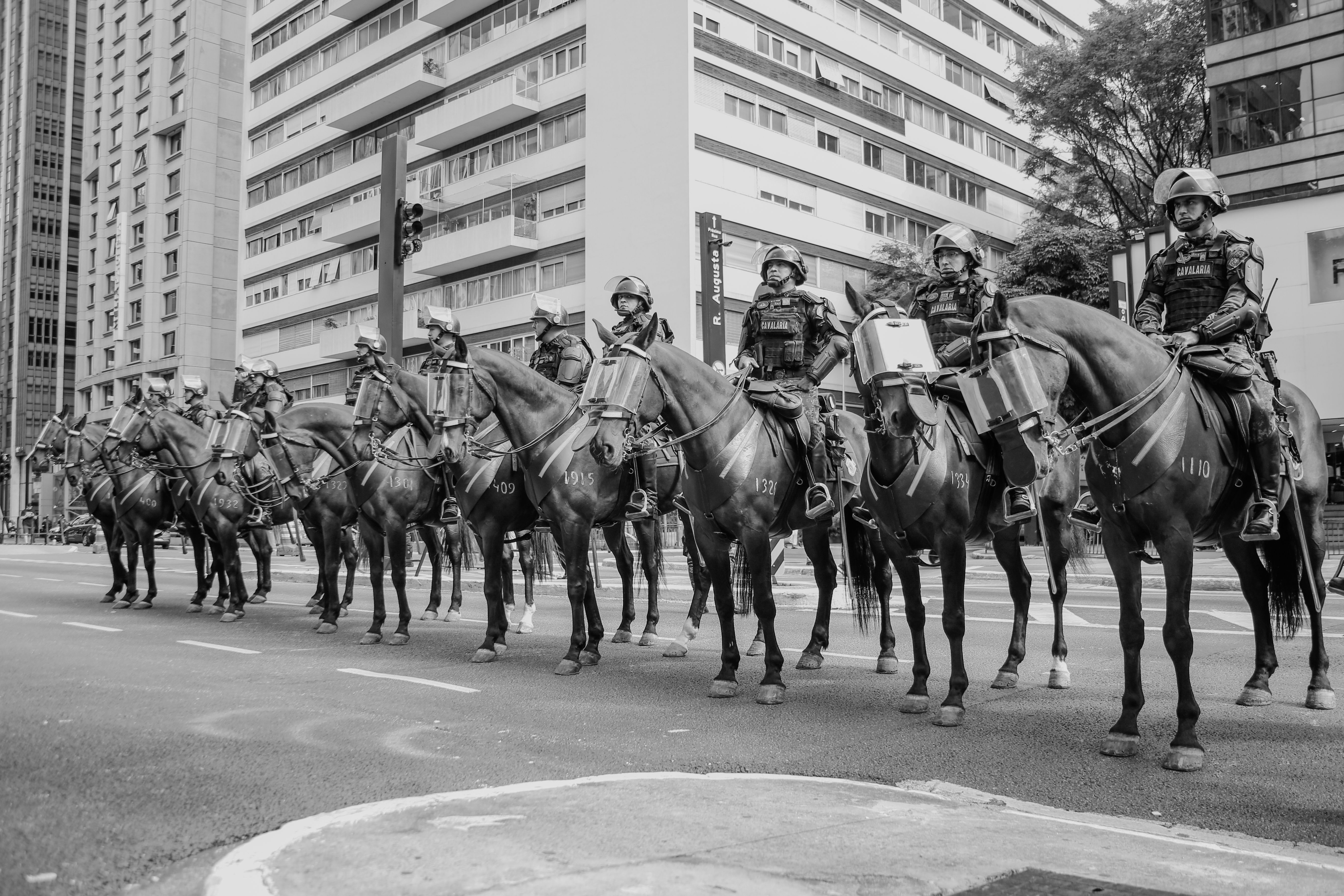
The São Paulo Public Prosecutor's Office (MPSP) and the state Civil Police arrested seven people in an operation against the owners and directors of three digital payment firms. Officers from the MPSP's Special Action Group to Combat Organised Crime (GAECO) and the police searched 25 addresses in the city of São Paulo, São Bernardo do Campo and three cities in Santa Catarina.
The Ministry of Finance said the case began when its Secretariat of Prizes and Betting (SPA/MF) passed GAECO information on 55 iGaming sites operating illegally. Their domains and the companies collecting payments changed often, but the money kept passing through the same three institutions. One of them, with 154 clients, topped the Central Bank's complaints ranking.
According to the ministry, the three institutions also appear in nearly 3,000 police reports in São Paulo state, more than 2,800 of them for fraud. The cases include fake bank call centre and fake lawyer scams, and victims forced under threat to make Pix transfers. In one, five armed men held a victim overnight in woodland and forced the transfer of more than R$200K ($37,000).
A court ordered the Central Bank to cut two of the firms off Pix, suspended the third's operations and froze its balance. The order also blocks the group's accounts, investments, crypto assets and property, as well as luxury cars, planes and boats.
The detention signals that Brazil is clearly not about to let gambling back into the country.
In September, the SPA/MF issued Ordinance No. 2,750/2026, which sets rules for cutting illegal operators off the financial system. When the secretariat finds an irregular operation, it sends banks and payment firms a notice to block the named companies' accounts or refuse their transactions, and alerts the Central Bank to supervise compliance. The ministry put the result since the ordinance took effect at about 200 accounts reported blocked by 38 institutions, holding more than R$5M ($0.9M).
The National Public Security Secretariat (Senasp) will run the administrative proceedings that establish liability and decide whether those funds pass to the federal government.
Featured materials
Read more