
- Updated:
- Published:
What is a bookmaker?
A bookmaker is a person or company that accepts bets, sets or publishes odds, settles wagers, and pays winnings. “Bookie” is the informal term for a bookmaker. In the United States, “sportsbook” commonly refers to the same type of betting operator or to the product through which it takes bets.
The legal definition varies by market. HMRC’s General Betting Duty guidance defines a bookmaker as someone who conducts the business of receiving or negotiating bets or pool-betting operations, whether as principal or agent.
A traditional bookmaker stands on the other side of the customer’s bet. It offers fixed odds, accepts the liability, and keeps the stake when the selection loses. This differs from a betting exchange, which matches customers against one another and normally earns commission rather than taking the opposing position.
Bookmaker vs bookie vs sportsbook vs betting exchange
These terms overlap, but they are not identical. Everyday language often mixes them together. In practice, each label points to a different legal or commercial setup.
| Term | Definition | Key Characteristic |
| Bookmaker | A regulated operator offering fixed odds | Holds a formal license, manages risk, and handles payouts |
| Bookie | Informal name for a bookmaker. | Same role. A private unlicensed book is a legal status, not the meaning of the word. |
| Sportsbook | The North American term for a betting operator or venue | Can refer to a mobile app, a retail counter, or the entire product |
| Betting Exchange | A peer-to-peer marketplace where users bet against each other | The operator charges commission on winnings instead of building a margin |
Bookmaker (licensed operator)
This label usually fits a regulated operator with formal approval to offer odds. It can run online, retail, or both. It publishes terms, handles customer funds, and answers to a licensing body.
Bookie (slang and unlicensed sense)
Bookie means a bookmaker. The word is informal, common in Britain and Australia, and it covers a licensed operator as readily as anyone else. A private unlicensed book is a question of law in that market. It is not what the word means.
Sportsbook (US term)
In North America, sportsbook is the standard commercial term. It can mean a mobile app, a casino counter, or the whole betting product. A sports bookmaker may still power that product behind the scenes through trading, risk tools, and pricing feeds.
Betting Exchange (Peer-to-Peer)
An exchange works differently. Customers bet against one another rather than against the house. Betfair explains that the exchange matches backers and layers, then charges commission on winnings instead of building a fixed margin into prices.
This model has become especially popular in South Asian markets, particularly India and Pakistan, where exchange-style betting has developed a strong user base around cricket and other major sports. Examples include Play in Exchange in India and BPexch in Pakistan, both of which position themselves around the betting exchange format rather than the traditional bookmaker model.
How bookmakers make money
The short answer to how bookmakers make money is margin plus disciplined risk control. A market with enough turnover can absorb shocks, but only if pricing remains sharp. Commercial success usually rests on four levers:
- built-in margin on prices,
- stake balancing across outcomes,
- limits and exposure controls,
- long-term customer retention.
The vig (vigorish) and overround explained
The vig is the fee hidden inside the prices. Overround is the total implied probability above 100 percent. That gap is the operator’s edge before costs and volatility. On a two-way market, small differences can still matter a lot over time.
On a two-way market priced at −110 / −110, each side implies 110 ÷ 210 = 52.4%. The two sides sum to 104.8%. The 4.8 points above 100% are the overround: the margin inside the price, before bonuses and tax.
Building profit margin into the odds
A fair coin flip would price at even money on both sides. Real markets do not look like that. The operator trims each side slightly, so the combined book carries built-in protection. That adjustment creates room for revenue even without perfect balancing.
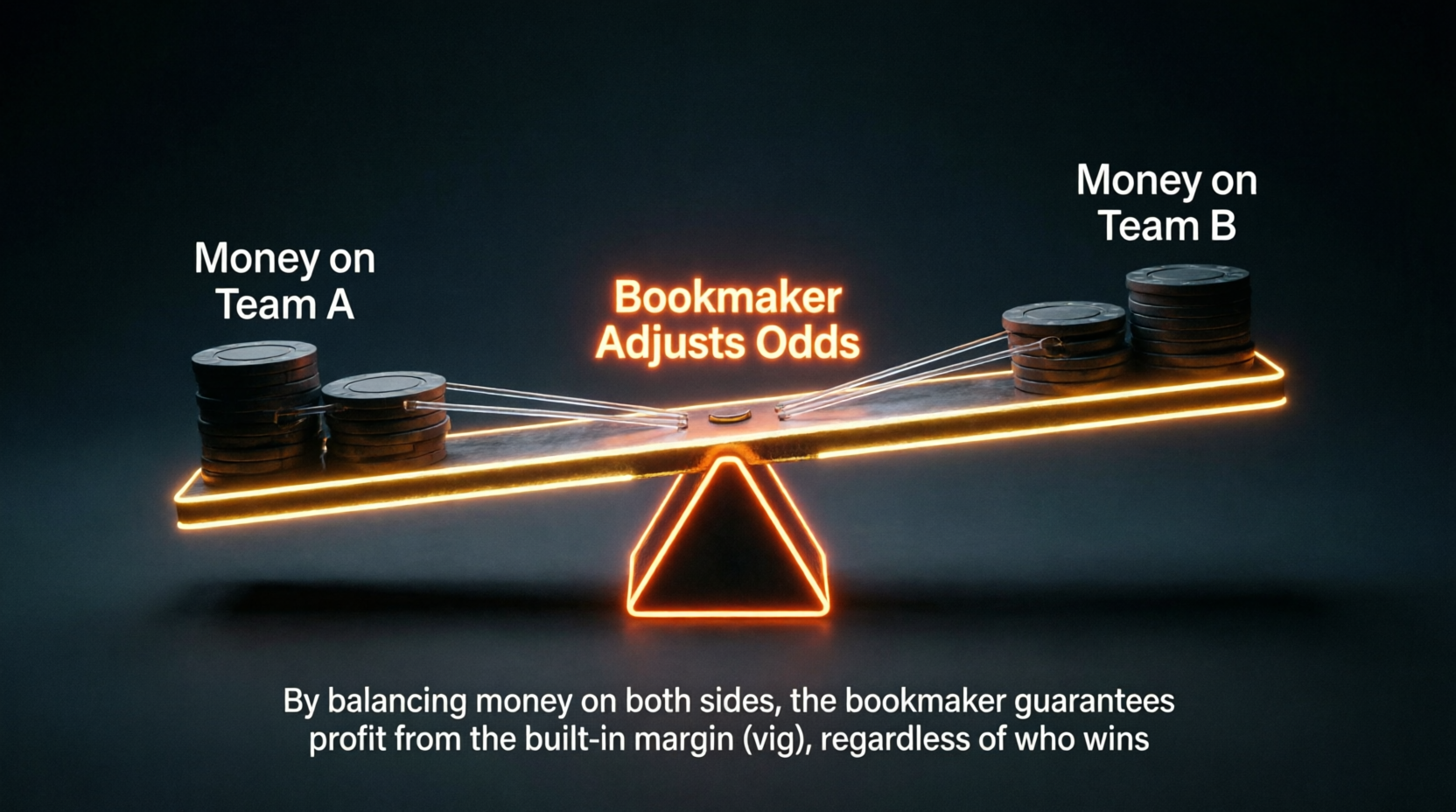
The balanced book strategy
A balanced book spreads exposure across outcomes. If action lands on both sides at useful prices, the house can lock in a cleaner return. That outcome is never guaranteed, but it remains a core target in many major markets.
Why bookmakers win long-term
The operator is not trying to predict every match perfectly. It is trying to price thousands of markets with repeatable discipline. The edge is small on one line, yet massive across a season. Variance hurts in the short run, but math usually wins in volume.
How bookmakers set odds
Odds are built from information first, then shaped by market behavior. A trading room studies team news, player status, weather, historical performance, and league context. Prices open, attract action, and then move again as the market speaks back.
Role of odds compilers
Odds compilers are the people or teams behind opening prices. They combine data feeds, injury reports, and model outputs with judgment. Their job is not only to estimate likelihood. They also need a market that can survive real staking patterns.
Statistical models and power rankings
Most modern pricing starts with models. Power ratings, expected goals, pace profiles, and player availability shape a baseline number. Human traders then test that baseline against context that models often miss. Travel fatigue and lineup fit still matter.
Adjusting for public money and sharps
Lines move for two reasons:
- Information changes the true chance of an outcome, and money changes the risk profile,
- Public action can push a number, but respected sharp action often forces faster movement because it carries stronger signal value.
Live (In-Play) odds mechanics
Live markets rely on speed. Models update after every possession, point, card, or injury timeout. A live online bookmaker also suspends markets during critical moments, then reopens with adjusted prices once the new state is clear.
Types of bookmakers
The sector now includes several operating models. Each one handles price creation, customer flow, and liability in a different way:
- fully digital operators,
- retail counter businesses,
- pari-mutuel pools,
- exchange-style marketplaces.
| Operating Model | How It Works | Payout Structure |
| Online Sportsbook | Digital platform offering odds via app or web | Fixed-odds; payout is locked at the time of bet placement |
| Retail Bookmaker | Physical location for in-person betting and cash handling | Fixed-odds; paid out in cash or account credit at the counter |
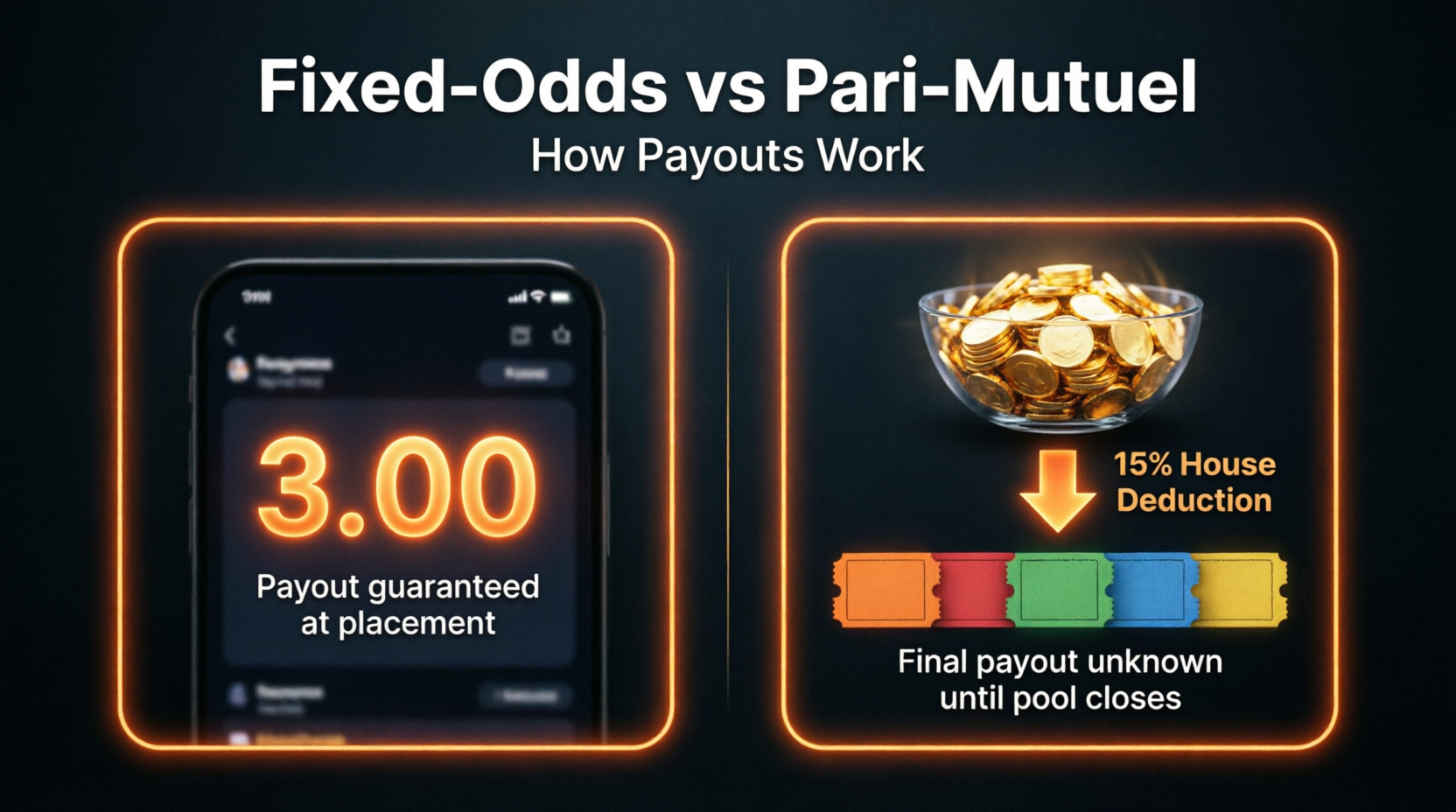
| Pari-Mutuel | All stakes are pooled together for a specific event | Payouts are divided among winners after the operator takes a deduction |
| Betting Exchange | Peer-to-peer platform matching backers and layers | Users set their own prices; the operator takes a commission on net wins |
Online sportsbooks
This model dominates many regulated markets. It is fast, scalable, and available through mobile apps and web clients. A second online bookmaker may offer the same event, yet with a different spread, margin, or limit.
Retail / Brick-and-nortar bookmakers
Retail locations still matter, especially in racing and high street betting cultures. They offer cash handling, in-person verification, and a social environment that mobile products cannot fully copy. In some places, retail remains the entry point for casual customers.
Pari-Mutuel vs fixed-odds
Pari-mutuel systems pool all stakes together and divide payouts after deductions. Fixed-odds systems lock the price at placement. That distinction matters because a pool market transfers price discovery to the crowd, while fixed odds leave pricing with the operator.
Exchange Bookmakers (Betfair model)
Exchange products mimic market trading more than classic house betting. Users can back and lay, request better prices, and pay commission on wins. Traditional bookie culture shaped the industry, but peer-to-peer exchange mechanics changed pricing expectations for advanced users.
Bookmakers by country
Regulation is local, even when brands are global. A license in one market does not automatically unlock another. The legal environment changes product design, taxes, advertising rules, and customer verification standards.
| Region | Regulatory Model | Key Characteristics |
| United Kingdom | Centralized, mature licensing | UKGC oversees all operators with strict compliance and consumer controls |
| United States | Fragmented, state-by-state | Rules, taxes, and product menus vary sharply from one state to another |
| Australia | Layered federal and state system | ACMA registers legal online operators; state bodies supervise local services |
| Europe | Country-specific national rules | France (ANJ), Germany (central authority), and Italy (ADM) each have distinct frameworks |
| Asia | Patchwork of open and restricted systems | Philippines (PAGCOR) is broadly regulated; most other markets are state-controlled or blocked |
United Kingdom (UKGC licensed)
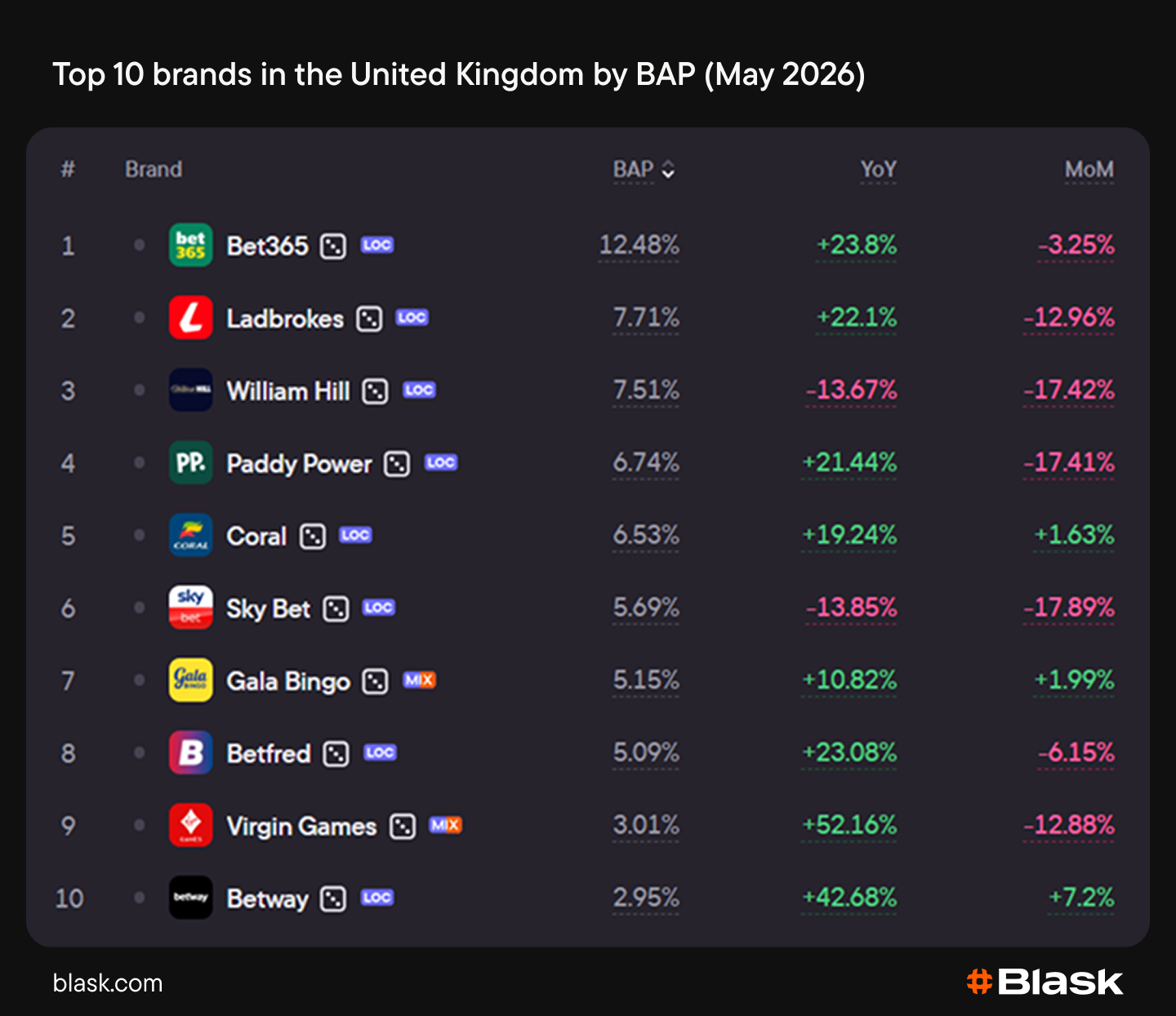
Great Britain uses one of the most mature licensing systems in the sector. The UK Gambling Commission says it regulates betting, remote gambling, software providers, and operating licenses for businesses. That structure makes the British market a reference point for compliance and consumer controls.
United States (State-by-state regulation)
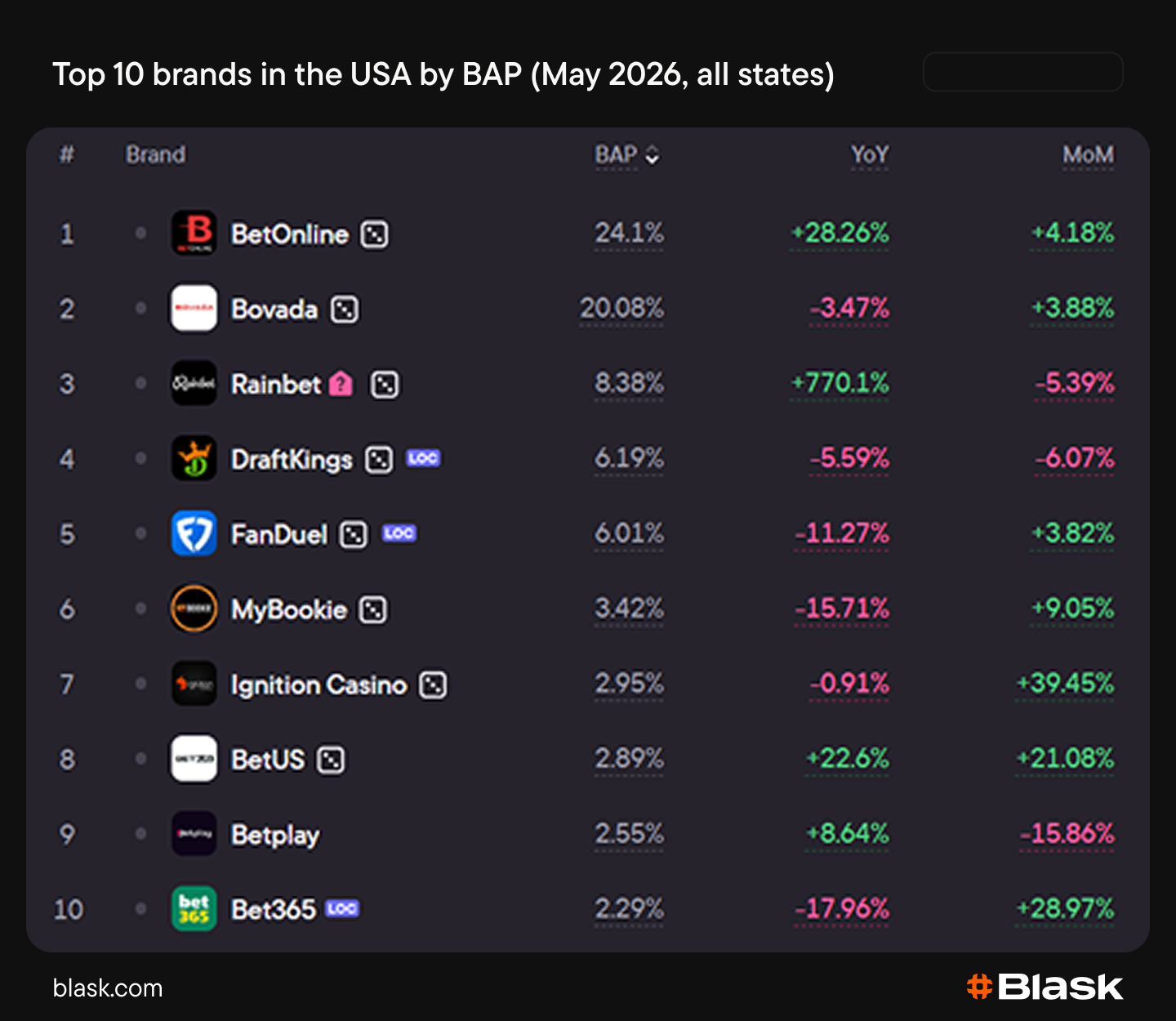
The American market is fragmented by design. NCSL describes sports betting as a state-level system, with online authorization spreading across many jurisdictions. That means product rules, college restrictions, taxes, and access methods can differ sharply from one state to another.
Australia
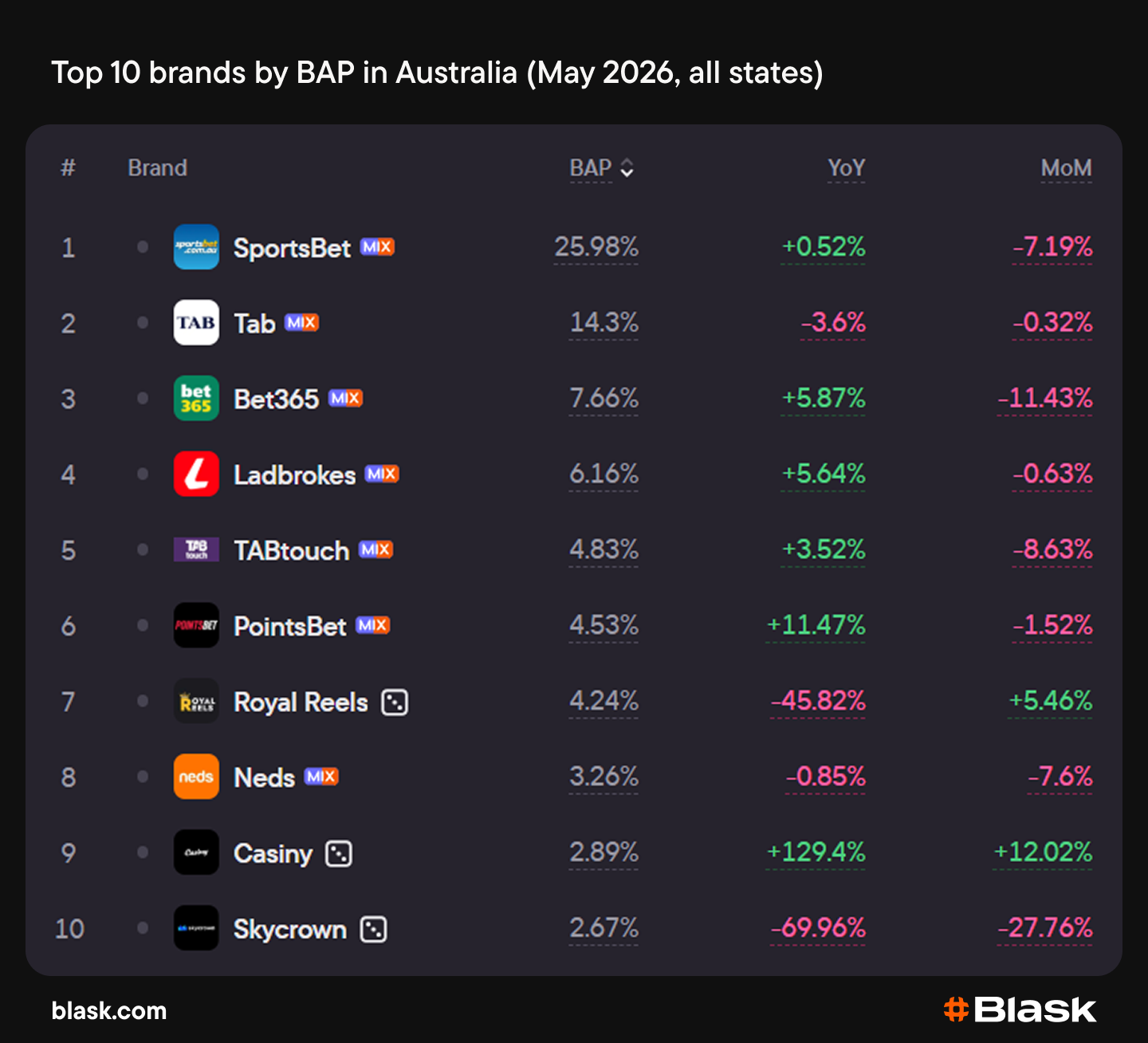
Australia combines a strong betting culture with a layered regulatory map. ACMA maintains a register for legal online wagering operators, while state and territory bodies supervise licensed services. That system makes verification central when a user chooses an operator.
Europe (Germany, France, Italy)
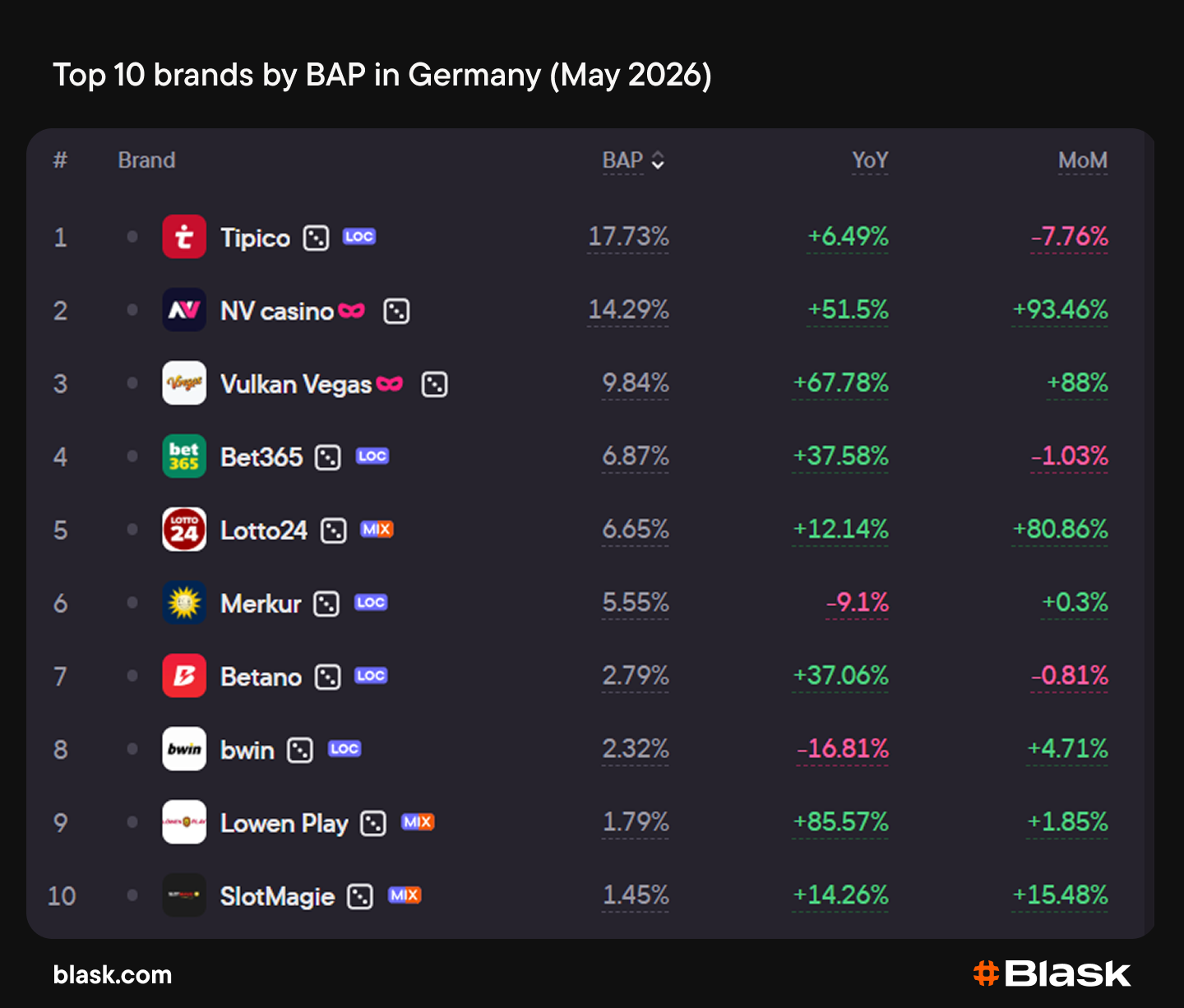
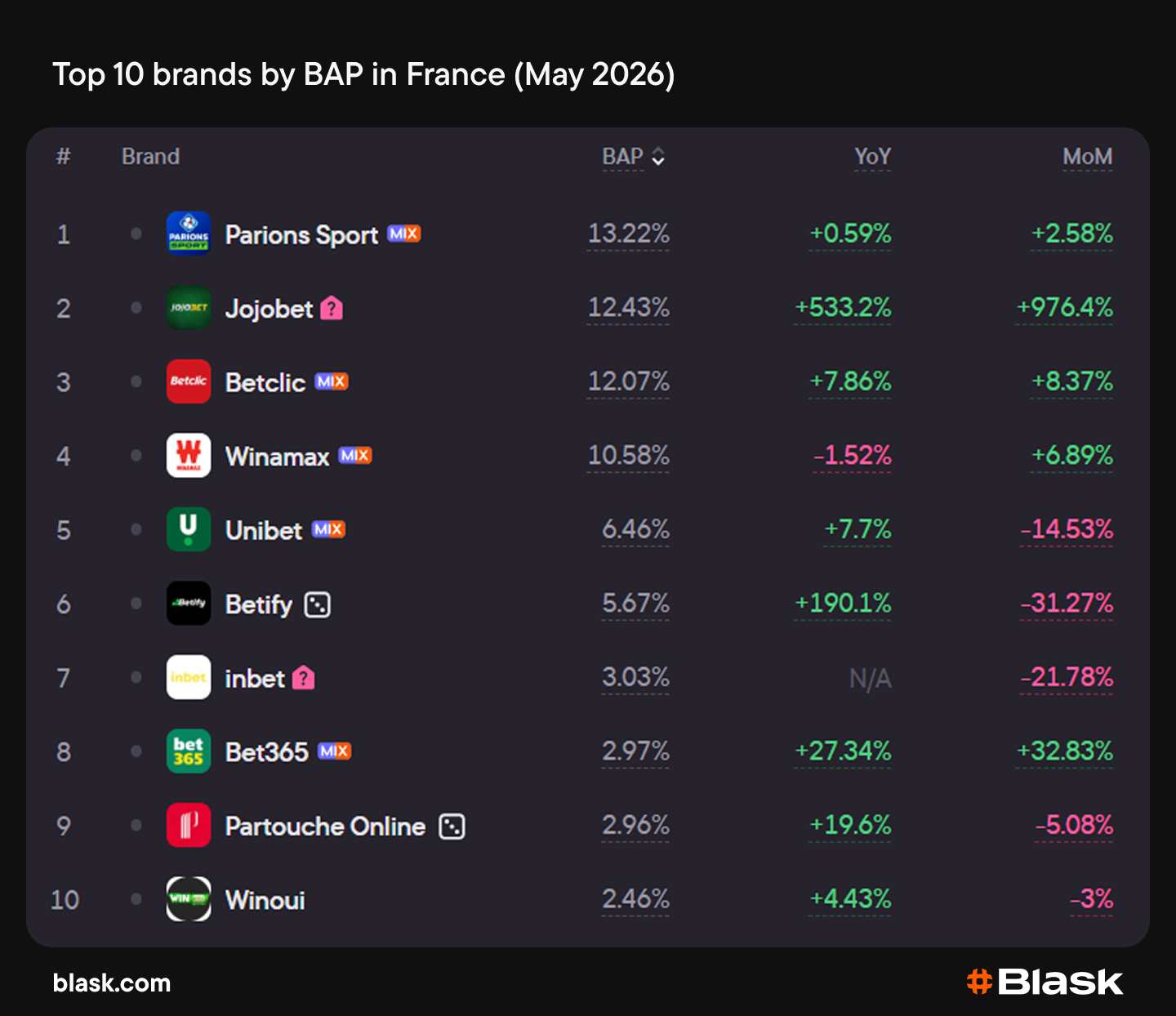
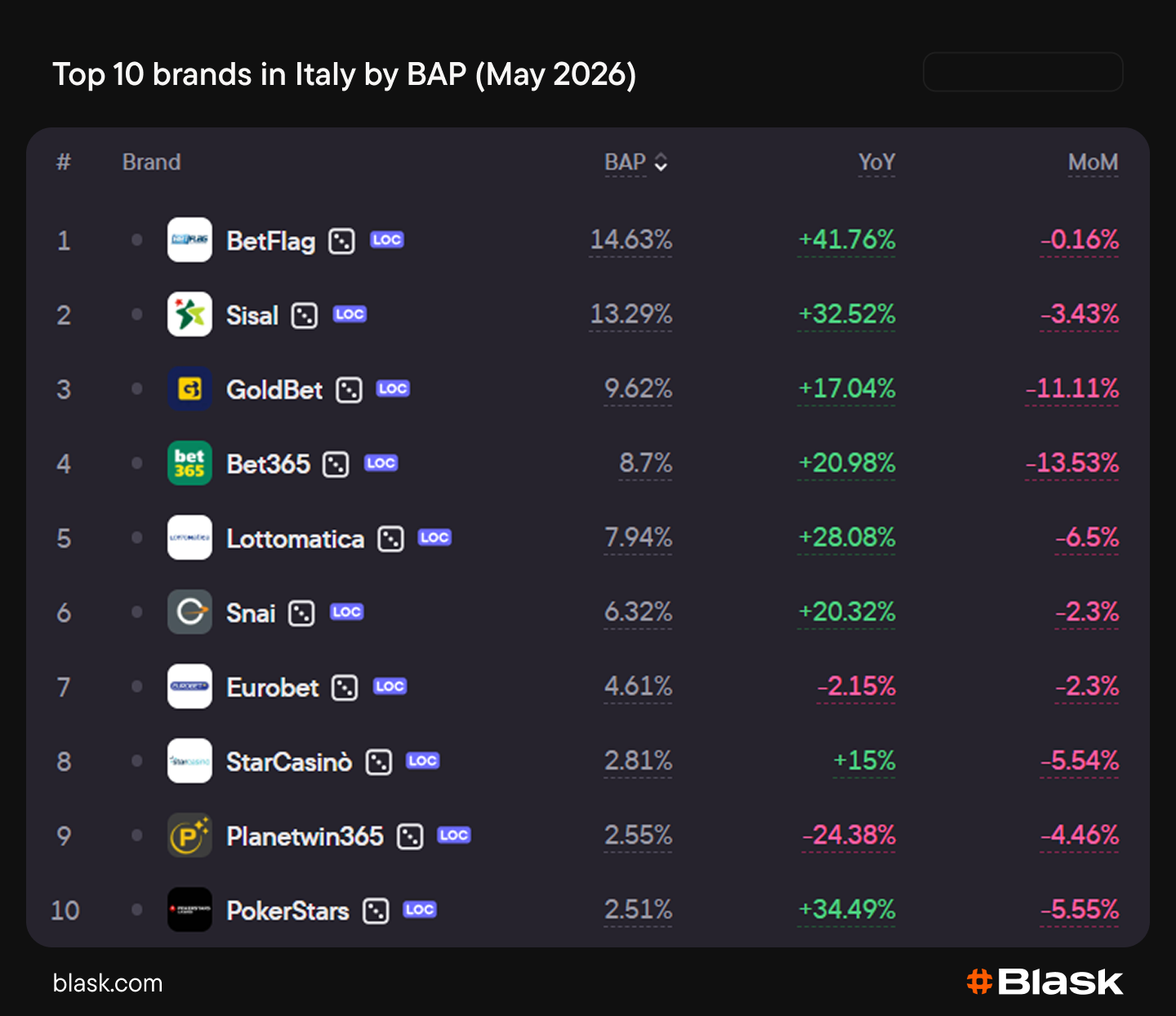
Europe is not one single model. France’s ANJ says it regulates licensed gambling and betting online, at retail points, and at racecourses. Germany uses a centralized gambling authority, while Italy runs sports betting under state control through ADM.
Asia and emerging markets
Asia is a patchwork of open, limited, and restricted systems. PAGCOR maintains a gateway to accredited online gaming sites, including sports products, in the Philippines. Elsewhere, access can be narrow, state-controlled, or blocked entirely.
In practical terms, the Philippines stands out as the only broad, dedicated regulated betting market in Southeast Asia. Elsewhere, any legal access is usually narrow, state-controlled, tightly limited, or blocked entirely.
How bookmakers manage risk (operator side)
Risk work is continuous, not occasional. A price can be correct and still dangerous if limits are loose or news breaks late. That is why operators combine market movement, account profiling, and liability dashboards every day.
Limit setting and position caps
Limits protect the book from concentrated exposure. Major leagues usually carry higher caps because liquidity is deeper. Niche leagues, props, and youth events often carry tighter numbers because pricing confidence is lower.
Sharp account restrictions
Some operators welcome skilled action because it improves price discovery. Others cut limits when an account shows a consistent edge. That practice is controversial, but it remains common in low-liquidity or highly sensitive markets.
Risk modeling and hedging
Risk teams can offset exposure in several ways. They move the line, lower stake limits, lay off liability elsewhere, or close a market briefly. Hedging is not always visible, but it is a normal part of large-scale trading operations.
Bookmaker sponsonships in sports
Sponsorship changed the public face of the sector. Logos moved from betting shops into stadium boards, shirts, media studios, and live score products. That visibility built brand familiarity fast, but it also triggered tougher advertising debates in many jurisdictions.
History of Bookmaking
Bookmaking began long before mobile apps. Early operators took action on horse racing and other contests, often at tracks or local premises. Over time, telephones, computers, trading software, and regulated online systems turned bookmaking into a global data business.
FAQ
What is a bookmaker?
A bookmaker accepts bets, sets or publishes the odds, settles the wager and pays the winner. In the United States the same operator is usually called a sportsbook.
What is a bookie?
Bookie is the informal word for a bookmaker. It does not name a different product.
What does bookmaker mean?
It means the business of receiving bets. HMRC’s General Betting Duty guidance uses it for someone who receives or negotiates bets, as principal or agent.
What is bookmaking?
Bookmaking is that business: pricing outcomes, taking or laying the bet, and settling it.