- Updated:
- Published:
What Is Sports Betting
Sports betting has transformed from a traditional pastime into a regulated, data-driven global industry. In 2026, the market is defined by mobile-first platforms, dynamic live wagering, and the rapid rise of prediction markets. Navigating this landscape requires a solid understanding of the fundamentals — from reading odds and structuring a bet slip to recognizing the legal frameworks that govern different jurisdictions. This article covers the questions of what is sports betting, how it works, which bet types define it, and how law, odds, and technology shape the market.
What Is Sports Betting
At the simplest level, sports betting means choosing an outcome and placing a wager on it before or during an event. That outcome can involve a winner, a score margin, a total, or a player statistic. A legal market turns those possibilities into priced offers called lines or odds.
The phrase what is sports betting also covers the business side. A sportsbook is not just a cashier with a screen. It is a pricing engine, a risk desk, a compliance system, and a settlement process wrapped into one platform.
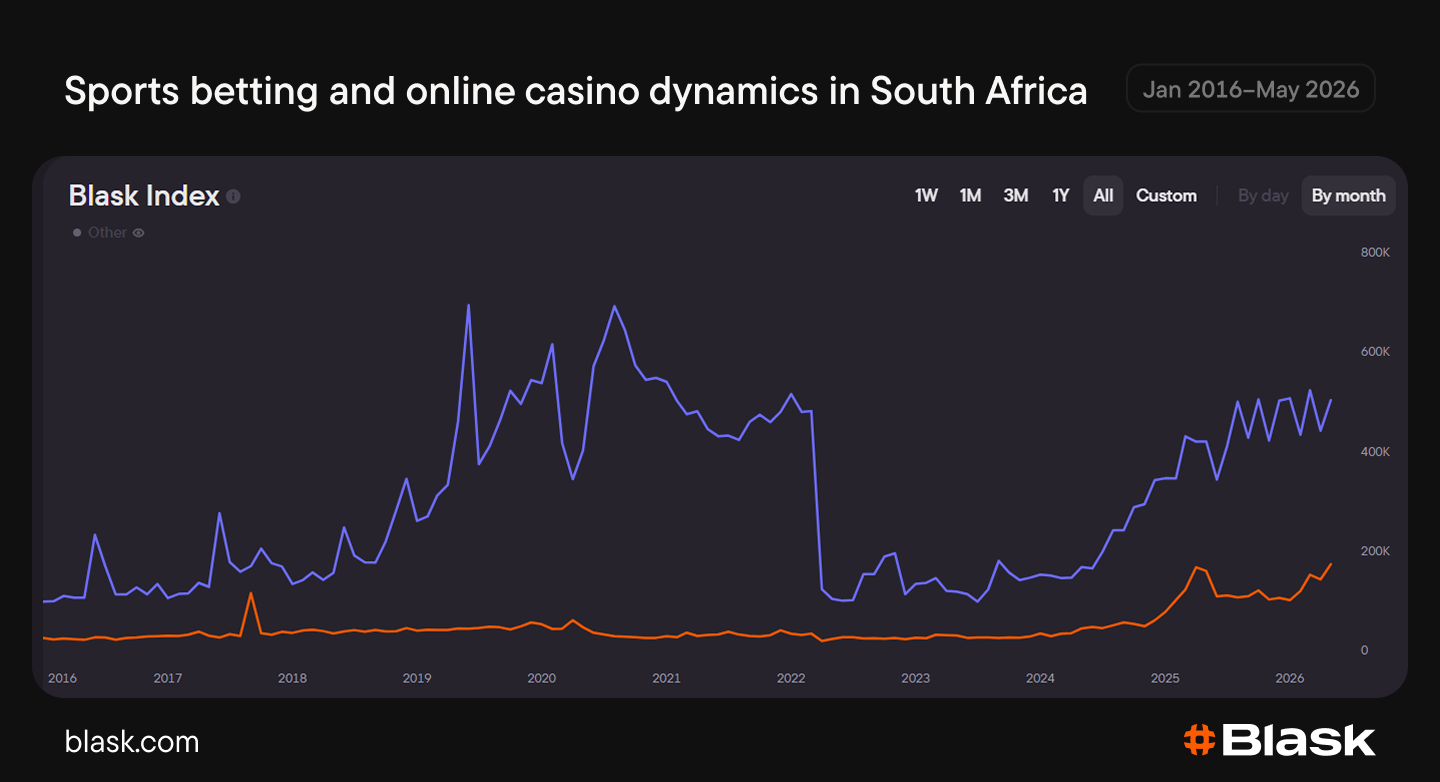
In some countries, users are more interested in online betting rather than in online gambling. South Africa is a clear example where the Blask Index of sports betting is higher.
How Sports Betting Works
The practical question how does sports betting work has a simple answer. A customer selects a market, adds it to a slip, enters a stake, and confirms the wager. After the event ends, the operator grades the result under house rules and credits the account or records a loss.
What is betting in this context is not guesswork alone. It is a transaction built on prices, limits, and official results. The outcome may feel emotional, but the back end is rigid and procedural.
Placing a Bet (Bet Slip Walkthrough)
A standard slip follows the same path almost everywhere. First comes the event. Then comes the market, the stake, and the final confirmation. A sports bet exists only after that confirmation step.
Most slips contain a few core fields:
- Selection,
- Odds,
- Stake,
- Potential return.
A second sports bet can be added to the same slip when a parlay is built. That changes both the payout and the risk. One losing leg kills the whole ticket.
Reading Odds and Lines
Odds express price, not certainty. A line expresses the margin or total that the market uses to frame a matchup. Both move when money, news, injuries, or lineup changes hit the board.
Sports betting odds also communicate risk. Short prices suggest a stronger favourite and a smaller return. Long prices signal a less likely outcome and a bigger possible profit.
How Bets Are Settled
Settlement is the quiet part that matters most. Operators use official league statistics, final scores, and published house rules. If a line lands exactly on a whole spread or total, the result may be a push and the stake is returned.
Prop grading can be stricter than many expect. New York regulators, for example, review proposition wagers and can reject markets with negative integrity implications. That shows how settlement and market approval are tied to regulation, not just convenience.
Types of Sports Bets
The market offers many formats, but most wagers fall into a small number of families. Those families differ in speed, complexity, and payout shape. The common types of sports bets have become standard across regulated books.
The core menu usually includes:
- Moneyline,
- Spread,
- Totals,
- Props,
- Parlays,
- Futures.
| Bet Type | How It Works | Risk Profile |
| Moneyline | Pick the outright winner; no spread involved | Low |
| Point Spread | Bet on margin of victory; favourite must win by more than the line | Medium |
| Totals (Over/Under) | Bet on whether combined score lands above or below a set number | Medium |
| Parlays | Combine multiple selections into one ticket; all legs must win | High |
| Teasers | Modified parlay with adjusted spreads; lower payout for friendlier lines | Medium-High |
| Futures | Long-range wagers on season outcomes like champions or award winners | Medium |
| Game Props | Bet on specific events within a game (passes, rebounds, first scorer) | Variable |
| Live In-Play Betting | Wagers placed after the event starts; odds shift with every play | High |
Moneyline
Moneyline is the cleanest format. One side simply needs to win outright. No spread is involved, so the price does all the work.
Point Spread
A point spread balances a mismatch by giving points to one side and taking points from the other. The favourite must win by more than the posted number. The underdog can either win outright or lose by fewer points.
Totals Over Under
Totals ignore the winner and focus on combined scoring. The market posts a number, and the wager is on whether the game lands above or below it. It is one of the most direct forms of betting.
Parlays
A parlay combines several picks into one slip. The return climbs fast because every leg must win. That attractive payout is exactly why parlays are so popular and so fragile.
Teasers
A teaser is a modified parlay, usually built around spread or total markets. The bettor receives a friendlier line on each leg. In return, the final payout becomes lower than a standard parlay.
Futures
Futures are long-range wagers on season outcomes. They cover champions, award winners, division titles, or tournament paths. The money may sit for months before settlement.
Player and Game Props
Props focus on specific events inside a game. They may track passes, rebounds, strikeouts, shots, or first scorers. Regulators often treat them carefully because some props raise higher integrity concerns than others.
Live In-Play Betting
Live markets stay open after the event starts. Prices change with every possession, point, injury report, and timeout. That speed makes live wagering one of the sharpest products in the current market.
Understanding Betting Odds Formats
Odds formats present the same idea in different skins. American odds dominate the United States. Decimal odds are common across Europe and many global books. Fractional odds remain closely tied to the British market.
The four main displays are:
- American,
- Decimal,
- Fractional,
- Implied probability.
| American | -110 | Bet $110 to win $100 profit (total return: $210) |
| Decimal | 1.91 | Total return of $191 (includes your $100 stake) |
| Fractional | 10/11 | Win $100 profit for every $110 staked (total return: $210) |
American Odds -110, +200
American prices use plus and minus signs. Negative numbers show how much must be risked to win 100. Positive numbers show how much profit a 100 stake would earn.
A line of -110 is standard on many spreads and totals. It means 110 wins 100 in profit. A line of +200 returns 200 in profit on a 100 stake.
Decimal Odds Europe
Decimal pricing shows total return, not just profit. A price of 2.00 doubles the stake if it wins. A price of 1.50 returns one and a half times the original amount.
Fractional Odds UK
Fractional odds show profit relative to stake. A quote of 5/1 means five units of profit for every one unit staked. British books still use this format widely, especially in racing and traditional markets.
Implied Probability
Implied probability converts price into a rough win chance. Longer odds imply a lower chance, and shorter odds imply a stronger expected outcome.
Implied probability is not technically an odds format. This is a mathematical translation of those odds into a percentage. You cannot type “52.4%” into a sportsbook app to place a bet.
| Format | Favorite (Odds / Implied Probability) | Underdog (Odds / Implied Probability) |
| American | -150 (60.0% chance) | +130 (43.5% chance) |
| Decimal | 1.67 (60.0% chance) | 2.30 (43.5% chance) |
| Fractional | 2/3 (60.0% chance) | 13/10 (43.5% chance) |
Where to Bet on Sports
Modern wagering happens across several channels. The venue may be digital, retail, or fully mobile. The rulebook changes by jurisdiction, but the product logic stays familiar.
Online Sportsbooks
Online sports betting has become a major growth engine in the United States. The National Conference of State Legislatures reports that many states with legal markets also allow internet wagering. That shift widened access far beyond casinos and racetracks.
Retail Sportsbooks
Retail books still matter because they anchor wagering to physical venues. They offer ticket windows, screens, lounge space, and in-person cash handling. Yet retail now competes with faster mobile products.
Mobile Betting Apps
Mobile betting apps are now central to market expansion. In New York, a mobile wager must be made from within state borders and accepted through licensed infrastructure. That requirement explains why geolocation and account controls sit at the heart of app design.
Legal Status of Sports Betting
Legal sports betting is not one worldwide model. It depends on local law, regulator powers, tax design, and licensing rules. Some countries run mature national systems, while others leave the field to states, provinces, or tightly restricted operators.
| Country | Is betting legal? |
| United States | Depends on the state |
| United Kingdom | Yes |
| Italy | Yes |
| Netherlands | Yes |
| Brazil | Yes |
| Mexico | Yes |
| Argentina | Yes |
| Nigeria | Yes |
| South Africa | Yes |
| Kenya | Yes |
| India | No |
| Turkey | Yes |
| Philippines | Yes |
| Indonesia | No |
United States (Post-PASPA, State-by-State)
The United States changed course after the Supreme Court removed the federal prohibition in 2018. Now iGaming is legal in the US, but not in all states because they set their own rules. Some ban bets on in-state college teams. Some limit certain props. Others allow a much broader menu.
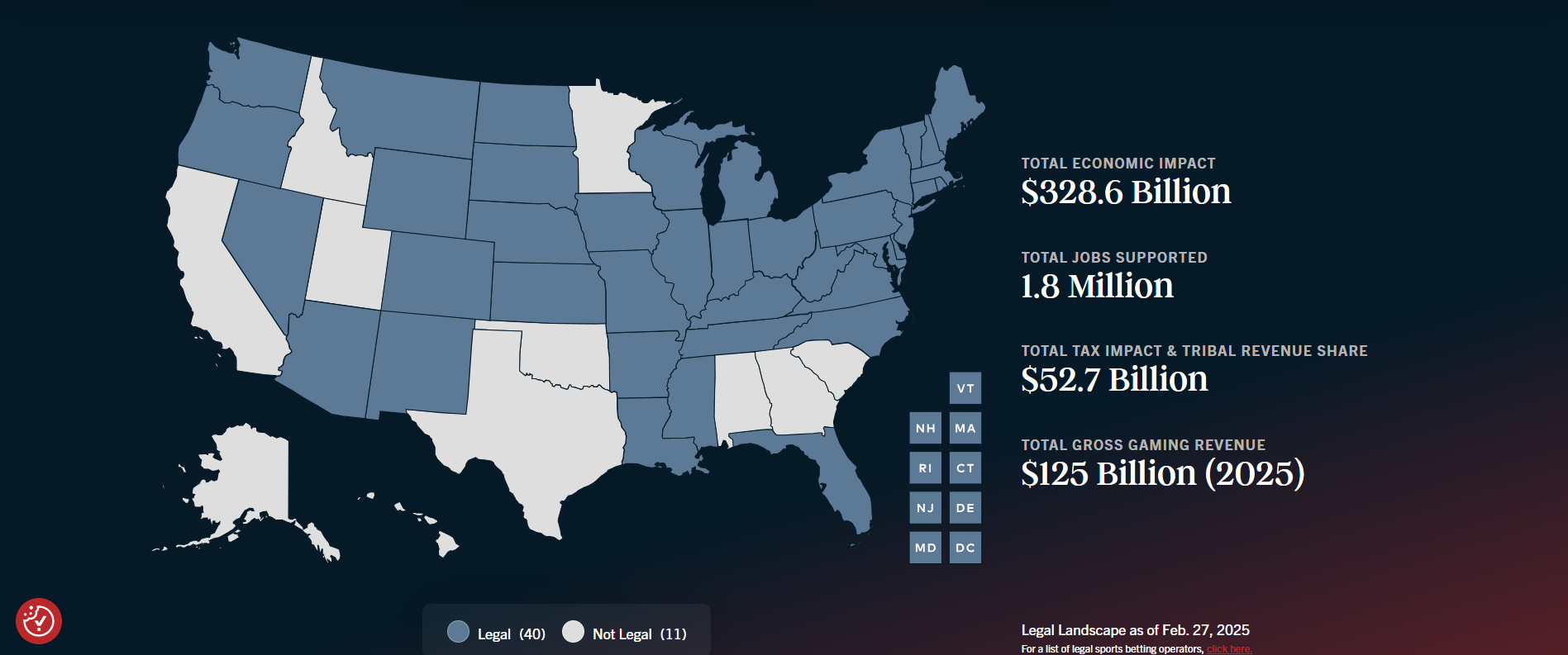
AGA provides the interactive map on its website with the betting status in different states. As for now, retail and online sports betting is legal in 40 states and illegal in 11 ones.
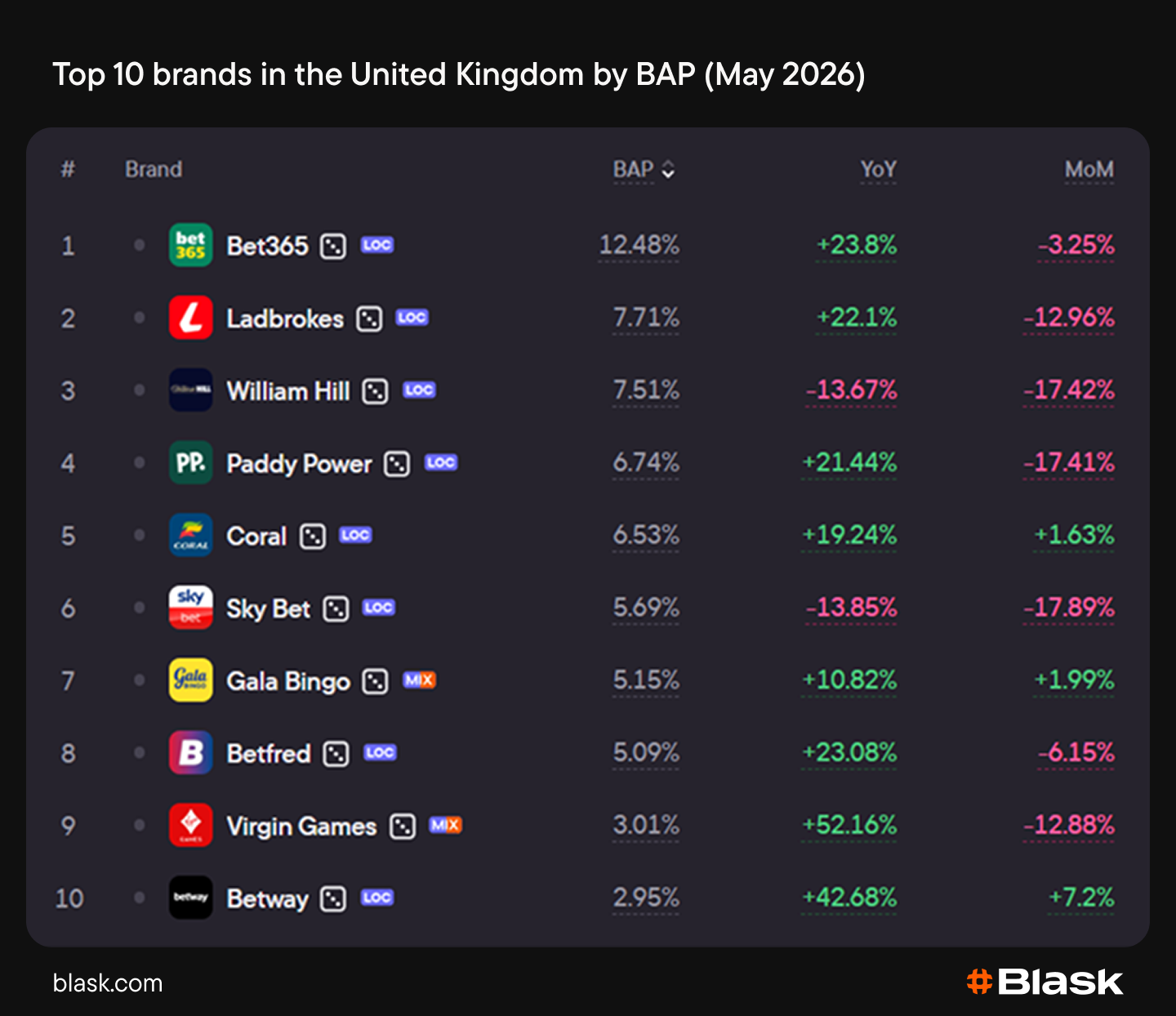
United Kingdom (UKGC)
Great Britain uses a central regulator. The UK Gambling Commission requires operating licences for most gambling facilities. It also oversees personal licences and other compliance layers tied to licensed businesses.
Europe and Other Markets
Europe remains fragmented rather than unified. Malta licenses remote gaming through a formal B2C structure, while other jurisdictions keep their own national rules. Outside Europe, the picture ranges from open licensing to strict state control or outright restriction.
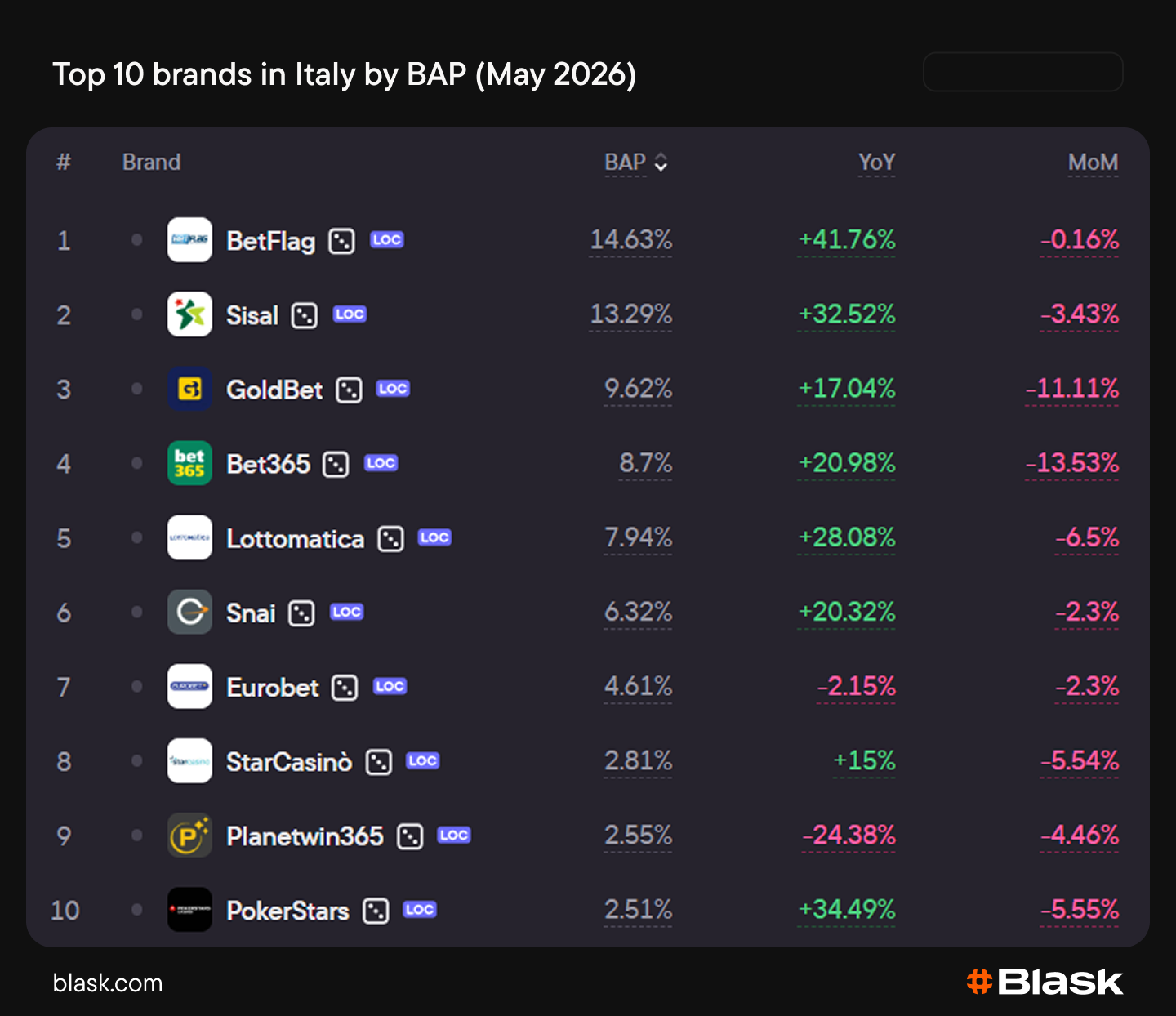
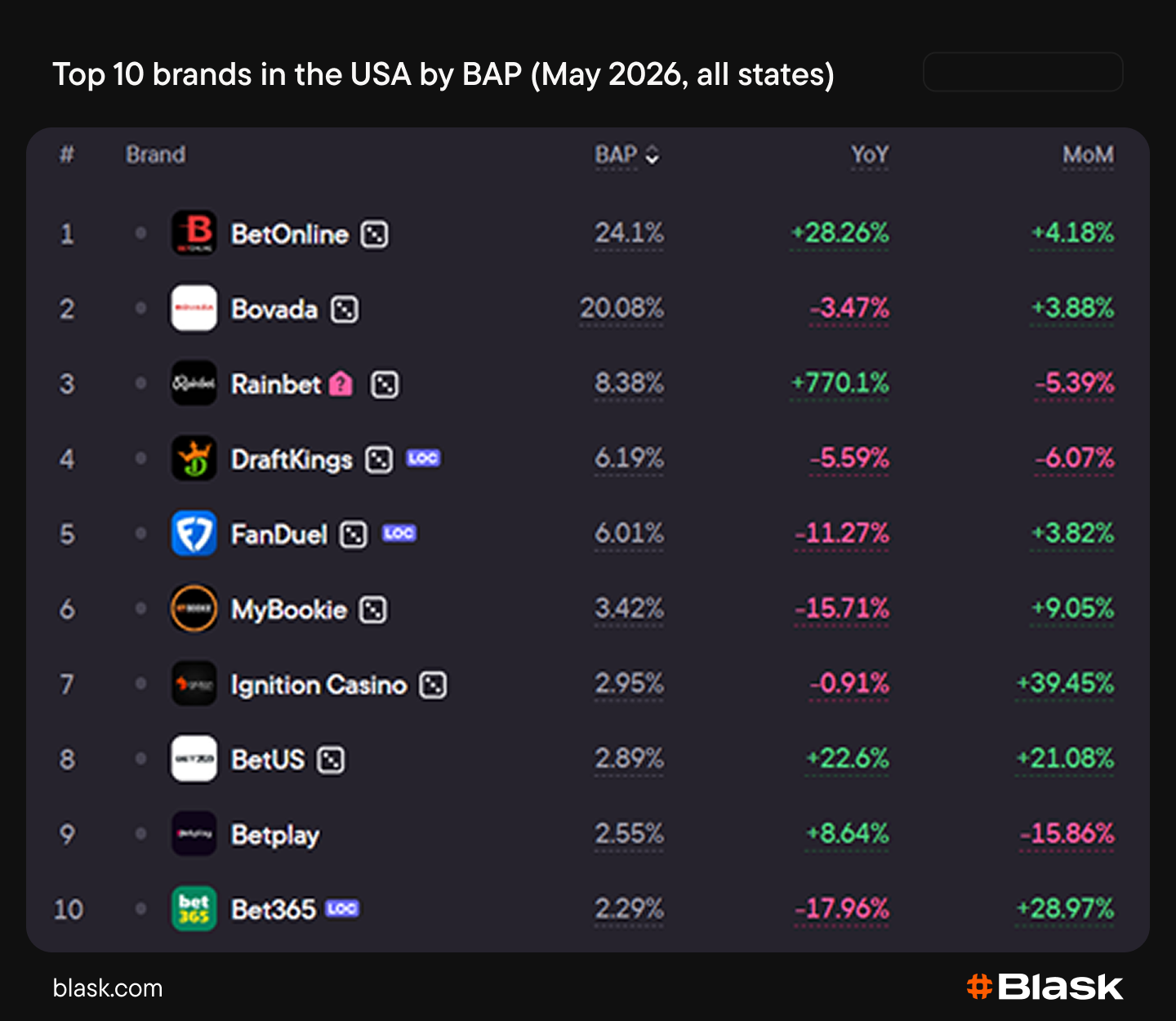
This is the top 10 brands by BAP in Italy as of May 2026. All countries are displayed on this page with the following data: number of active brands, Blask Index, and BI dynamics in the past 90 days.
Sports Betting Strategy
A neutral sports betting strategy section should describe the process, not sell fantasy. The most serious approaches focus on price, discipline, and market timing. They do not turn variance into certainty.
Bankroll Management
Bankroll management means treating stake size as a control tool. It reduces the damage of losing streaks and prevents one bad session from blowing up the whole account. This is basic risk handling, not glamour.
Line Shopping Across Sportsbooks
Line shopping means comparing prices across books before placing a ticket. Small differences matter because spread numbers and moneyline prices are not identical everywhere. FanDuel itself notes that books may post slightly different spreads because of data, risk, and betting action.
Value Betting and Closing Line Value CLV
Value betting focuses on whether the available price is better than the true chance. Closing line value compares an early ticket to the final market number. It is not proof of profit, but it is a useful measure of pricing quality.
Avoiding Common Beginner Mistakes
Most beginner errors are painfully ordinary:
- Chasing losses,
- Ignoring price differences,
- Overloading parlays,
- Confusing payout with probability.
How Sportsbooks Profit The Vig and Hold
A sportsbook earns through margin. The vig, also called juice, is the built-in cost inside the price. Hold is the percentage the operator keeps after paying winning tickets.
AGA reported that first quarter 2025 sports hold in the United States reached 9.2 percent. That number varied by month and by state, but it shows the business model clearly. Volume matters, yet pricing discipline matters just as much.
Popular Sports for Betting
Different sports create different betting textures. Some are perfect for live trading. Some reward deep statistical modelling. Some attract casual money because the public already knows the teams.
NFL Football
The NFL dominates the American market by attention and betting volume. Weekly scheduling, injury news, and huge media coverage keep lines active all week. The market is efficient, but never quiet.
NBA Basketball
The NBA suits live betting because pace changes fast. Injuries, rotations, foul trouble, and late-game scoring swings create constant line movement. That makes basketball one of the most reactive products on an app.
MLB Baseball
Baseball produces daily volume and pitcher-driven pricing. Markets react to starting rotations, bullpen fatigue, and weather. The game offers endless data, though many edges are tiny.
NHL Hockey
Hockey runs on lower scoring and thinner margins. One bounce, one power play, or one empty-net goal can wreck a perfect read. That volatility makes totals and puck lines tricky.
Soccer Football
Soccer carries global reach and deep market depth. Moneyline, totals, both-teams-to-score, and live goal prices all pull heavy interest. One red card can flip the entire board in seconds.
MMA, Boxing, Tennis
Combat sports and tennis attract sharp action because one athlete drives everything. Props, round totals, and set markets expand the menu. The smaller field often creates violent price moves on breaking news.
Sports Betting Apps and Technology
Apps are no longer a side channel. They are the main storefront in many markets. NCSL notes that online access opened the door to much larger audiences, while New York law ties mobile wagers to in-state location and licensed systems.
Online sports betting also changed product design. Apps now revolve around live data, instant settlement, push alerts, and location controls. That combination explains why mobile wagering feels more like trading software than old-school ticket writing.
Responsible Gambling and Problem Gambling
Growth has a clear downside when protection is weak. The National Council on Problem Gambling says expansion is likely to increase participation and harm unless serious safeguards are funded. It also points to higher risk among athletes, youth, and well-educated groups in the research it reviewed.
New York promotes self-exclusion, confidential help, and practical limit setting. It also warns against using money needed for bills and against treating play as the only form of entertainment. That plain language matters because harm often starts with routine habits, not dramatic collapse.
History of Sports Betting
The history is older than the app era by a mile. Wikipedia notes that many major bookmakers built early reputations during the Prohibition era. The same history also carries scandal, from the 1919 World Series to Pete Rose and Tim Donaghy.
The modern legal boom arrived after the United States Supreme Court struck down the federal barrier in 2018. Since then, states have built their own systems, tax rules, and menus. That is why the current map looks broad, but still deeply uneven.
Future Trends in Sports Betting for 2026
The next phase looks more regulated, more mobile, and more live. NCSL already shows how much online access changed participation. AGA data shows that sports wagering revenue and online gaming revenue remain major growth drivers inside commercial gaming.
In 2026, the likely direction is clear enough. More in-play markets will expand. More prop approval will face scrutiny. More operators will lean on app speed, geolocation, and tighter compliance. The product will keep getting easier to place, and harder to regulate lazily.
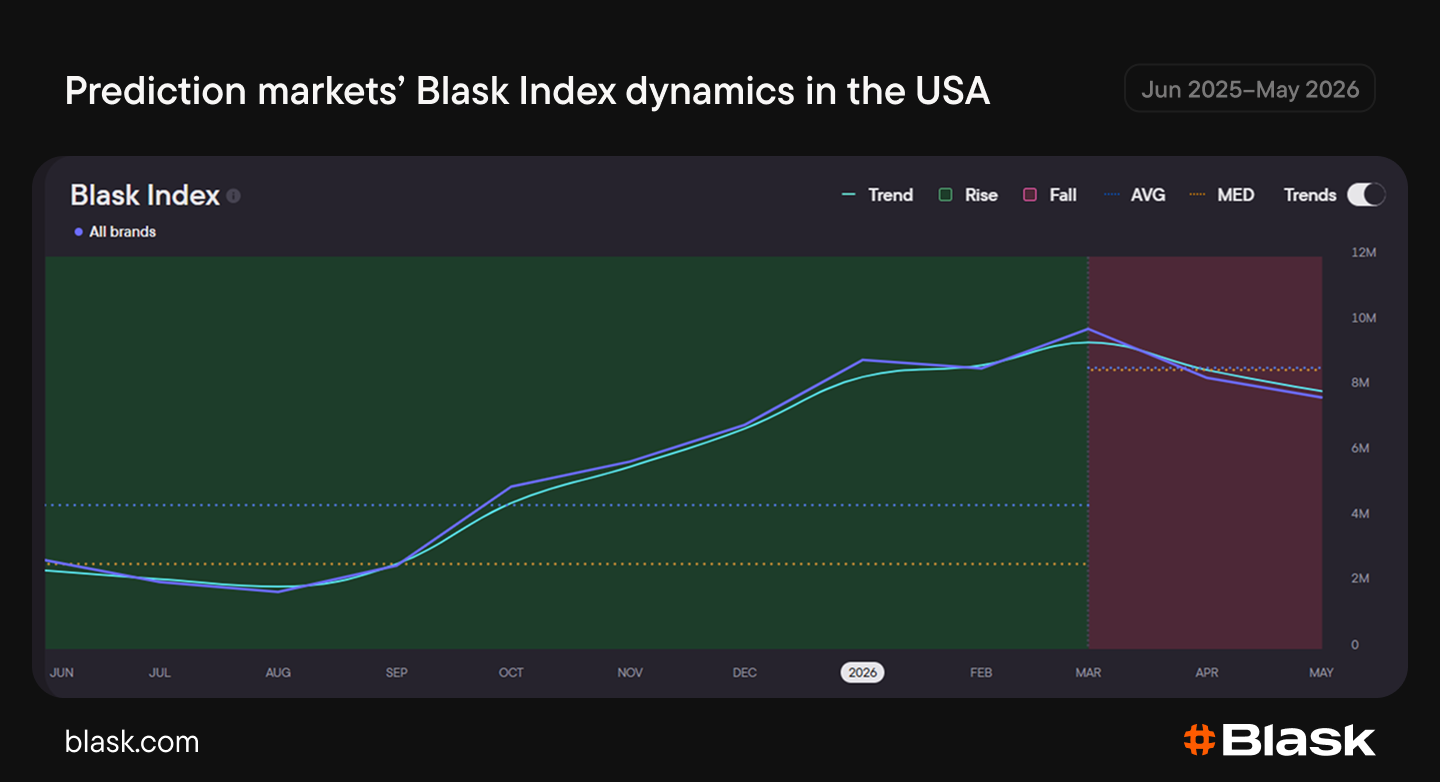
Also, one of the key trends in the industry are prediction markets. Regulators in different countries argue whether Polymarket, Kalshi and their competitors are betting or not.