International break wipes a fifth off betting demand in Africa and Latin America
Blask data shows that when the international break replaces club football, betting search in Africa and Latin America drops by around a fifth and recovers once the leagues return.

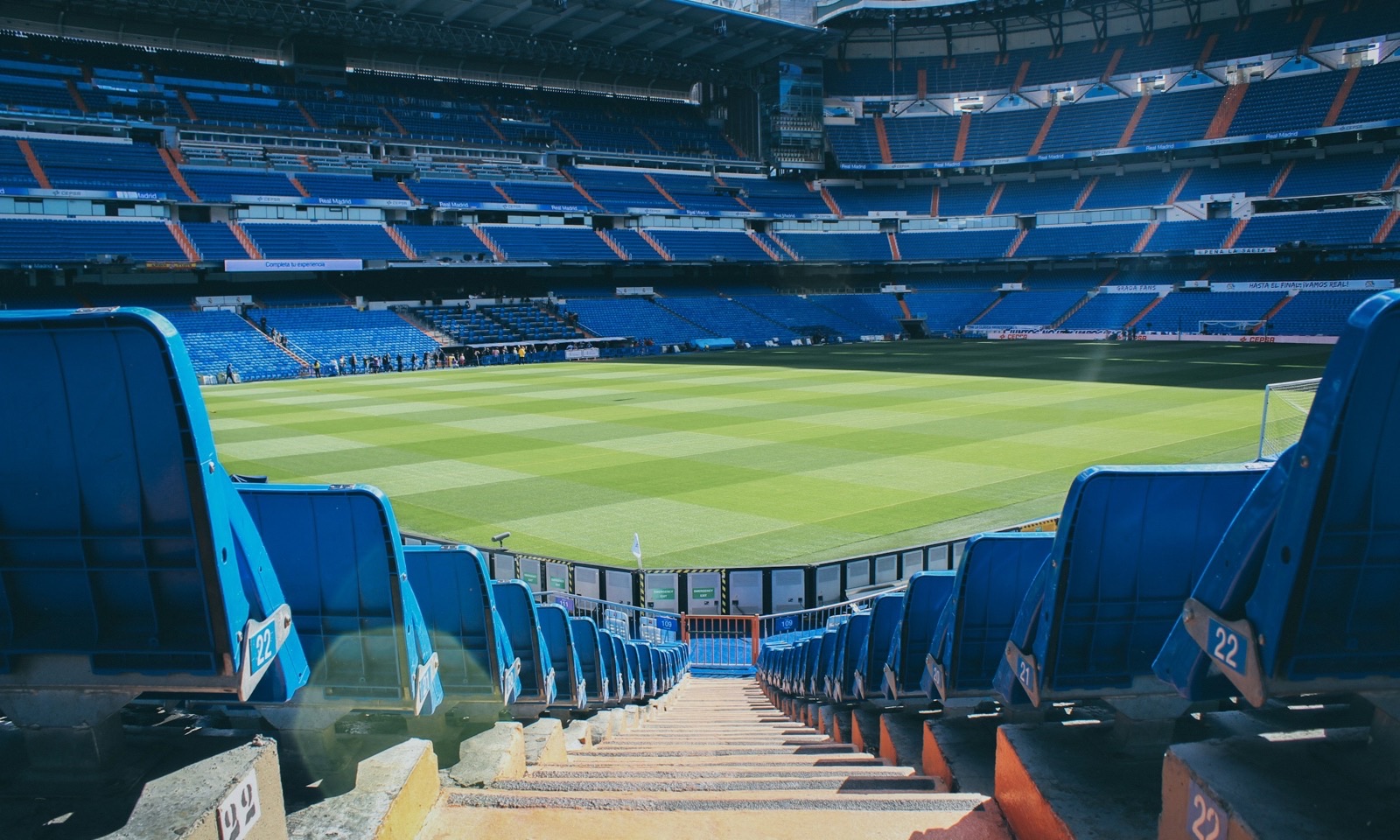
Demand for betting brands across 138 countries fell 13.5% in the week of November 9–15, 2026. Only 7 countries grew. The cause was the calendar: FIFA's November international break had taken a weekend of club football off the schedule.
The decline was uneven. Europe lost a tenth of its demand, and Asia barely moved. Africa and Latin America lost more than a fifth, and they had already lost about the same amount in September, when the previous window paused the leagues.
How Blask measures the drop
The figures in this article come from Blask Index, a demand signal that Blask builds from search activity across iGaming brands. It shows how much interest players direct at betting and casino brands in each market, before that interest becomes deposits or revenue. Because Blask tracks every brand in a country at once, it shows a market-wide shift as it happens rather than weeks later in operator reports.
💡 Method: weekly comparisons set each week (Monday to Sunday) against the week before. For the September–October window, the change is the average of the window's first two weeks against the week before it started.
The November international break took the weekend away
FIFA's November window runs from November 11 to 17. It replaces a weekend of league football with Nations League games, friendlies and qualifiers, including Matchdays 3 and 4 of AFCON 2027 qualifying between November 12 and 17.
The week before had a full club programme. The Champions League played Matchday 4 on November 3–4, and the major leagues played a full round on November 7–8. Betting search fell as soon as that programme ended.
Africa and Latin America take the biggest hit
Week over week, the regions moved like this:
| Region | Change in Blask Index, November 9–15 vs November 2–8 |
|---|---|
| Latin America (excluding Brazil) | –22.8% |
| Africa | –20.5% |
| Europe | –10.7% |
| Asia | –3.4% |
Latin America and Africa fell twice as hard as Europe. Asia held up because much of its tracked demand goes to casino brands, which do not depend on the football calendar. Brazil is left out of the Latin American figure: its index reflects the iGaming ban, not the football schedule.
These are the markets that bet most on European leagues. Their busiest betting weekends follow the European club calendar more than local football, so when the leagues stop, demand drops with them.
The leading sportsbooks lose the most
The decline concentrated on each market's leading sportsbook. Four of them each lost 35–41% of their weekly demand level:
- Betway in Mozambique
- Ecuabet in Ecuador
- Apuesta Total in Peru
- SportyBet in Ghana
The daily data shows the mechanism. Demand for these brands roughly halved from Monday to Wednesday, when no European club fixtures were scheduled. It partly recovered from November 12, when national teams started playing. International football brings some bettors back, but not enough to replace a club weekend.
September showed the same pattern
This is the second time this autumn. FIFA merged the September and October breaks into a single 16-day window, from September 21 to October 6, with room for four national team games. In its first week, betting search fell 18% in Africa and 21% in Latin America (excluding Brazil).
The recovery came quickly. In the first full week after club football resumed, Latin America was back above its pre-window level and Africa was within 2% of it. The demand did not disappear. It returned with the leagues.
Market by market: 11 of 14 fell in both windows
Blask compared the 14 largest markets in the two regions, those with a weekly Blask Index above 3M. Eleven declined in both windows.
| Market | September–October window | November window |
|---|---|---|
| Haiti | –33.7% | –40.9% |
| Mozambique | –18.4% | –32.8% |
| Peru | –31.2% | –29.2% |
| Tanzania | –20.8% | –24.1% |
| Uganda | –10.2% | –23.4% |
| Zambia | –15.6% | –22.0% |
| Cameroon | –10.1% | –21.7% |
| Nigeria | –35.4% | –20.9% |
| South Africa | –5.7% | –19.3% |
| DR Congo | –22.3% | –18.1% |
| Venezuela | +1.0% | –17.2% |
| Argentina | +3.5% | –12.8% |
| Colombia | –7.9% | –9.1% |
| Kenya | –28.7% | +2.4% |
September–October window: average of the weeks of September 21 and September 28 vs the week of September 14. November window: November 9–15 vs November 2–8.
Haiti and Peru lost close to a third of their demand both times. Nigeria fell 35.4% in September and 20.9% in November. Venezuela and Argentina held steady in September, then dropped in November.
Kenya, the one exception
Kenya fell 28.7% in September, one of the steepest drops in the table. In November it grew 2.4%.
The growth came from one brand. In the same week, Betika's share of Kenyan betting search rose from 30% to 39%, the highest in ten weeks, as it pulled away from its rivals. The shift coincided with Kenya's Gambling Regulatory Authority naming the 11 operators licensed for 2026/27. The Weekly Digest covers the licence list in detail.
What this means for operators and affiliates
The data points to three practical conclusions:
- Plan budgets around the calendar. In Africa and Latin America, an international break week starts with roughly a fifth less betting demand. Acquisition spend in those weeks competes for a smaller pool.
- Read campaign results against the fixture list. A week-over-week drop during an international break says more about football than about a brand. Compare against the previous window instead.
- Expect the rebound. In September, demand returned within a week of club football resuming. The week after a break is the time to be visible.
The next window runs from March 22 to 30, 2027. It allows two matches, so it is shorter than September's four-game break. If the pattern holds, Africa and Latin America should see the same drop that week.
Conclusion
In Africa and much of Latin America, betting demand follows the European club calendar more closely than local football. Without club games, these markets lose about a fifth of their betting search. The loss is temporary but predictable, and Blask Index shows it in the same week it happens.
📊 Track market demand week by week. Blask shows Blask Index for 140+ countries and every tracked brand. Ask Blask answers questions about how the next international break affects your markets.