
- Updated:
- Published:
What Is a Casino Game Provider
What a casino game provider is, how it operates, and which companies lead the market in 2026.
What Is a Casino Game Provider
A casino game provider develops digital gambling content and supplies it to online operators through licensed technical systems. Many studios act as a casino content provider, creating games, math, art, audio, and promo tools, while a broader game provider may also handle updates, support, and distribution.
The strongest teams combine creativity with compliance, mobile performance, and stable delivery. A reliable casino software provider must prove legal coverage, testing, and uptime, because any iGaming game provider is judged by launch speed, market access, and long term game performance.
Types of Casino Game Providers
The market is not one flat block. Different studios chase different audiences and margins. Some win through showmanship. Others win through math models, mobile fit, or fast reskin production. Four short groups explain most of the business:
- Studios focused on premium slots and branded mechanics,
- Live specialists with tables, hosts, and game shows,
- Utility suppliers that aggregate many feeds through one gateway,
- Niche developers for crash, instant win, bingo, keno, or lottery products.
Slot Game Studios
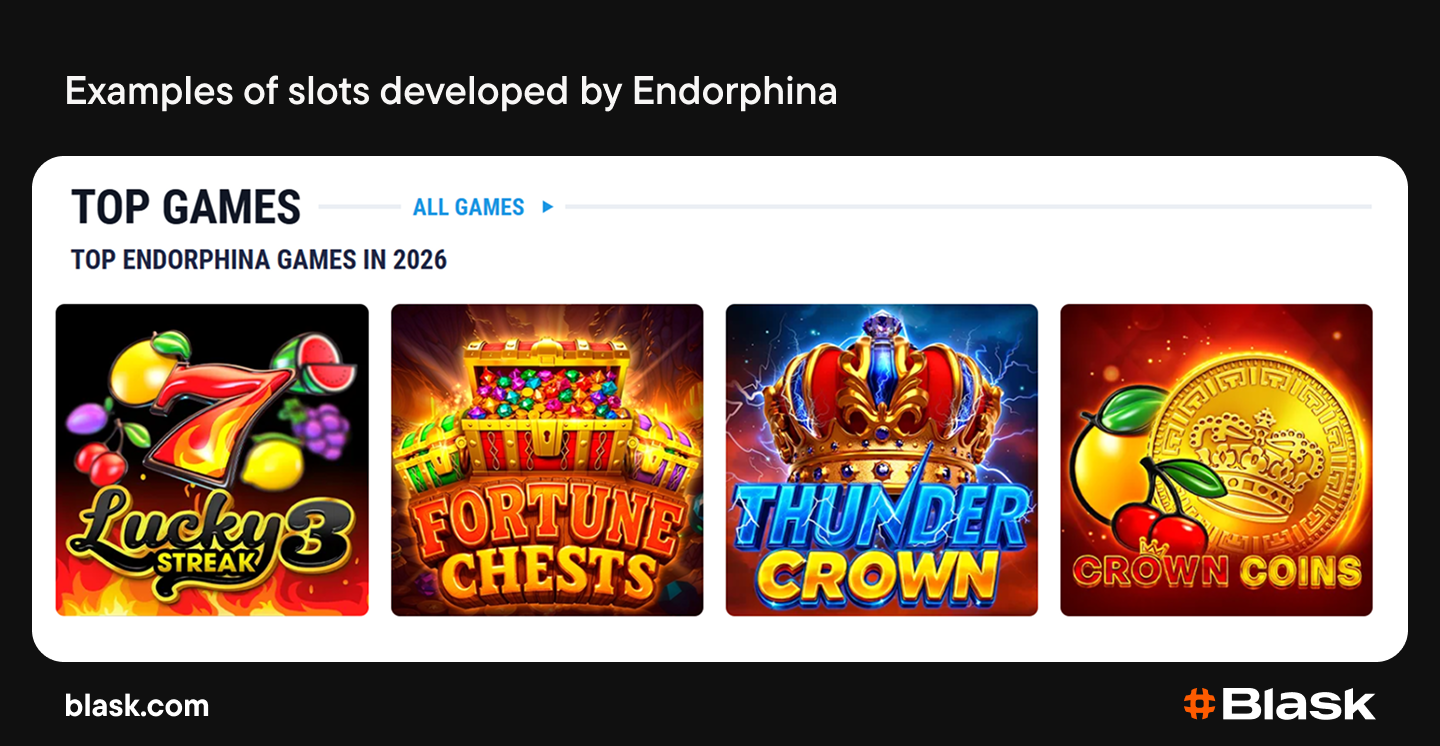
The slot market still sets the tone for most lobbies. A slot game provider lives or dies on pacing, volatility, theme quality, and retention curves. Mechanics matter, yet launch rhythm matters too. A title that loads fast, fits portrait mode, and supports many currencies still has an edge. That is why slot providers keep chasing clear UX and instantly readable bonus flow.
Live Dealer Providers
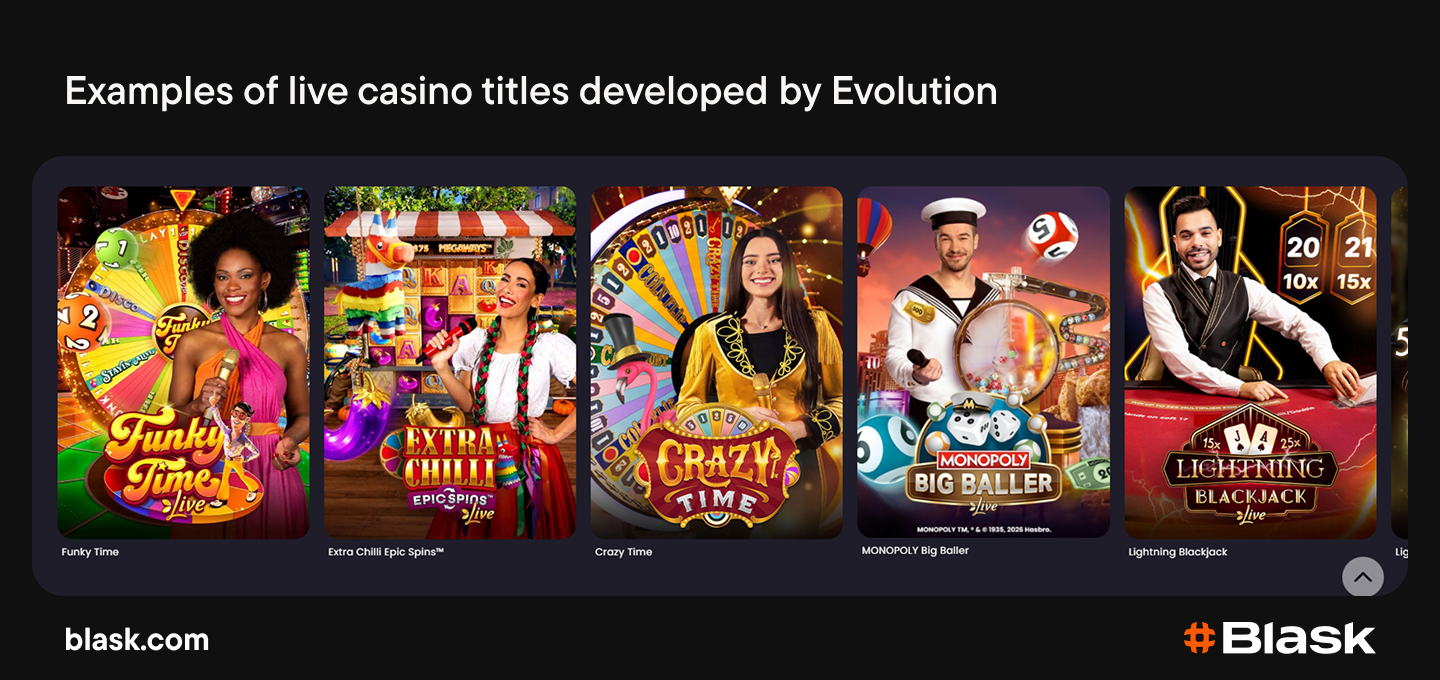
Live studios sell trust and spectacle. Evolution says its live offering runs through more than 700 tables and game show environments. It also states that those products operate in 15 languages around the clock. That scale explains why live products pull attention in regulated markets where studio quality and uptime carry huge weight.
Table Game Developers
Classic RNG tables still matter because they travel well across markets. NetEnt is presented by Evolution as a long running digital entertainment brand dating to 1996. Its portfolio includes online slots plus classic RNG table games. That blend remains useful for operators that want recognizable standards beside louder content.
Instant Win and Crash Game Studios
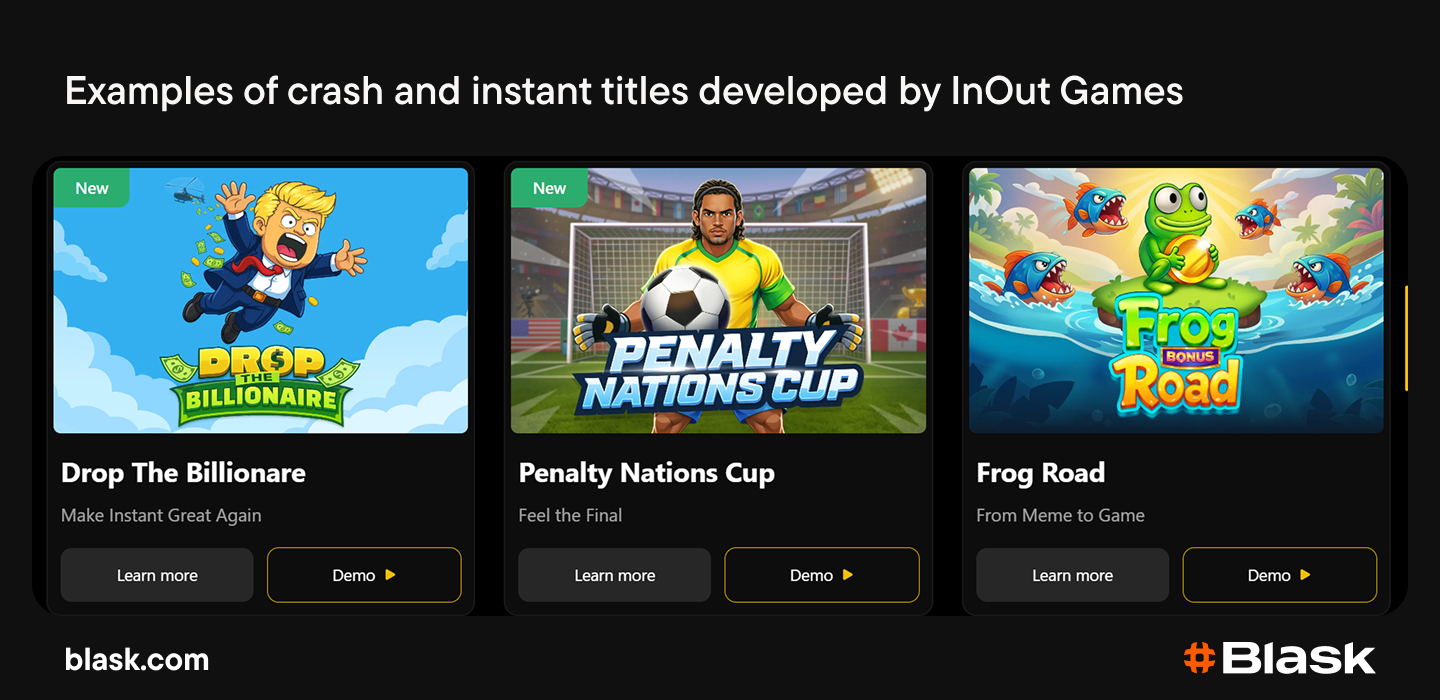
Crash and instant win formats work because they are blunt and quick. They need little onboarding. They fit short sessions and mobile traffic. Evolution now highlights crash style titles inside its portfolio, while studios like Hacksaw stress broad, varied experiences across their games.
Bingo/Lottery/Keno Providers
These verticals can look old school, yet they remain useful in specific regions. They attract habitual players and support slower spending patterns. Still, niche gambling sub-verticals do not always make strategic sense in the long run. If they lack scale or no longer fit a supplier’s core focus, companies may choose to exit them. Pragmatic Play, for example, has been phasing out its bingo business as part of a broader portfolio refocus.
Game Aggregators (Multi-Provider Platforms)
Aggregators compress complexity into one connection. Scaleo explains why a single stack may need games, payments, user management, and affiliate tracking to work together. An aggregator does not always own the games. Instead, it helps an operator reach many suppliers faster.
How Casino Game Providers Work
A studio rarely wins on ideas alone. It wins by moving a title from concept to compliant release without wrecking speed. Math, hosting, integration, localization, and reporting all connect. The full pipeline is less glamorous than a trailer, yet it decides who grows:
- Concept, art, audio, math, and front end development,
- Independent testing for RNG, platform logic, and required standards,
- Distribution through direct deals or aggregation channels,
- Ongoing analytics, updates, and promotional support.
Game Development and RNG Certification
Independent testing sits at the heart of launch readiness. GLI says it provides testing, certification, inspection, forensics, training, and igaming services. iTech Labs says it tests and certifies large numbers of RNG systems every year. Those labs are not side notes. They are the gatekeepers between design ambition and regulated release.
Distribution to Operators
Once certified, content must reach operators cleanly. That usually means APIs, documentation, sandbox work, and version control. Scaleo describes integration as the bridge between games, payments, user data, and tracking systems.
Revenue Share Models
Most deals turn on a few core structures. Revenue share remains common because it aligns studio income with operator performance. Fixed fees still exist, especially for custom work or premium local launches. Branded mechanics can bring extra licensing layers when third party IP enters the mix.
API Integration
API quality can make or break growth. Pragmatic Play says its multi product portfolio works through a single API. Scaleo says poor integration leads to errors, lag, and operational headaches. In plain terms, the smoother the API, the faster an operator can add games, test payments, and keep reporting tidy.
Top Casino Game Providers in 2026
No ranking stays perfect for long. Trends move, markets tighten, and player taste flips fast. Still, a few names keep returning because they combine recognition with delivery. These are the top casino game providers discussed most often in operator circles.
Pragmatic Play
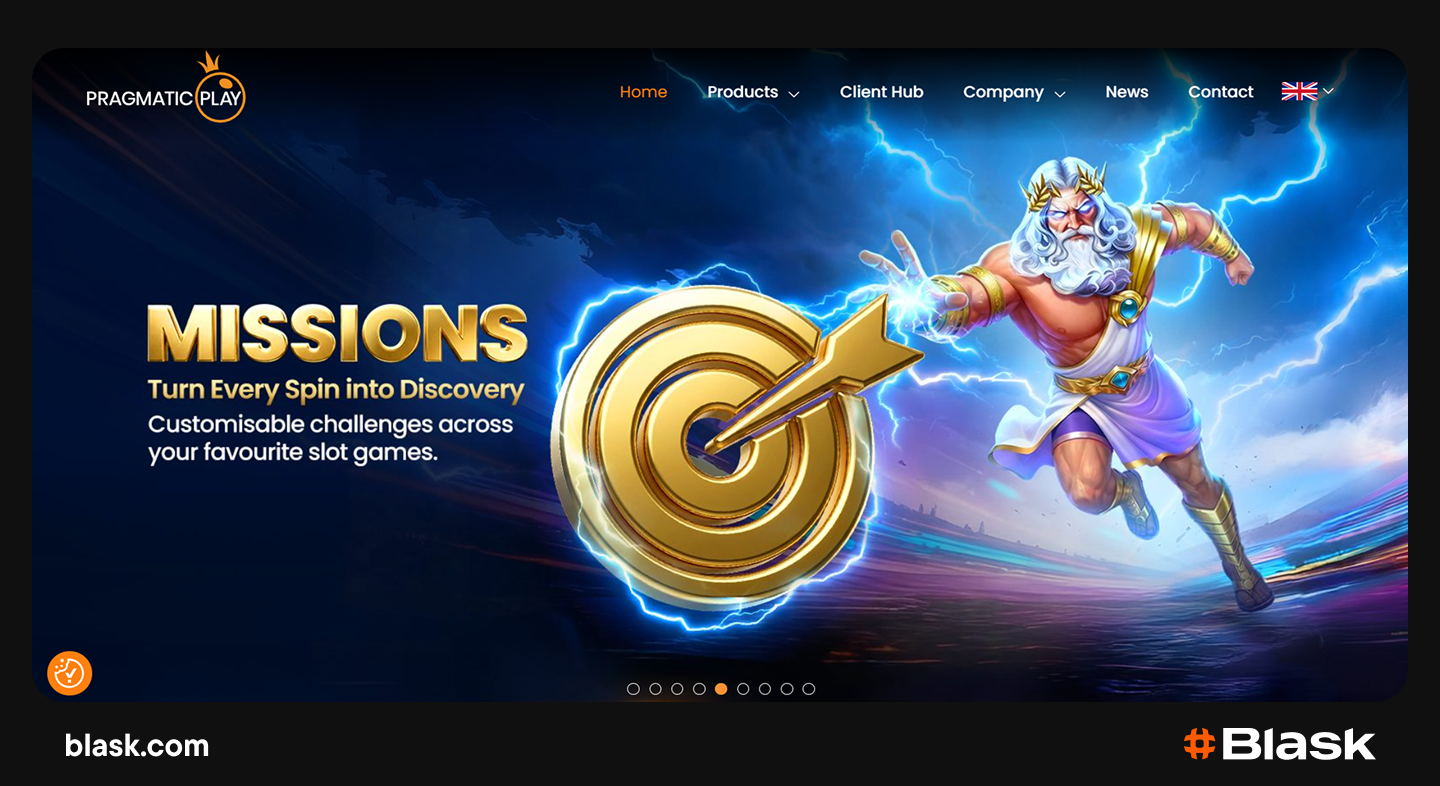
Pragmatic Play offers slots, live casino, bingo, virtual sports, sportsbook, and more through one API. It also says the portfolio covers over 500 in house slot titles. The company states that it is certified or licensed in more than 30 jurisdictions.
Evolution
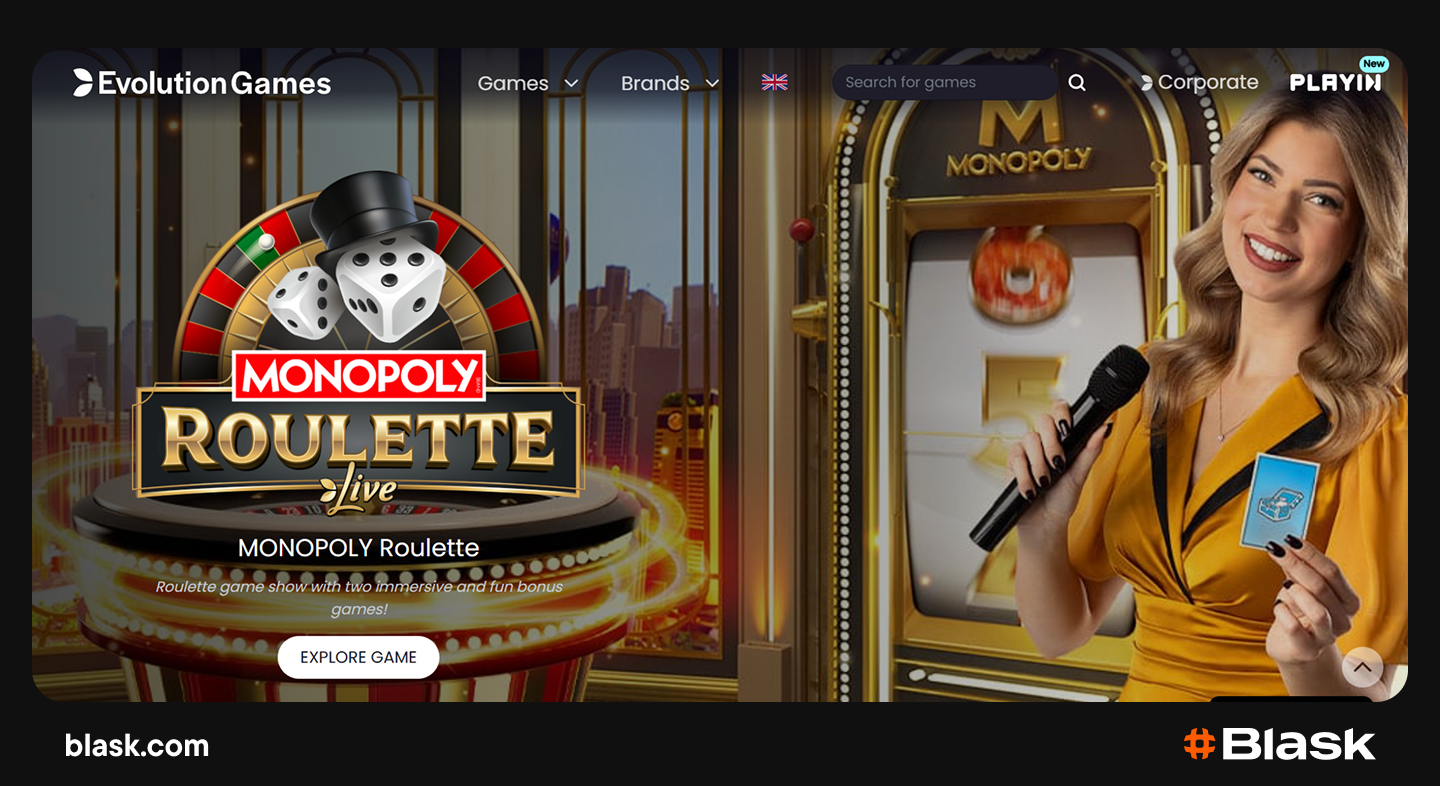
Evolution positions itself as a world leading provider of online casino content. Its brand page highlights Evolution, Ezugi, NetEnt, Red Tiger, Big Time Gaming, DigiWheel, and Livespins. The company says it delivers live casino games, game shows, RNG content, and slots through global studios and infrastructure.
NetEnt
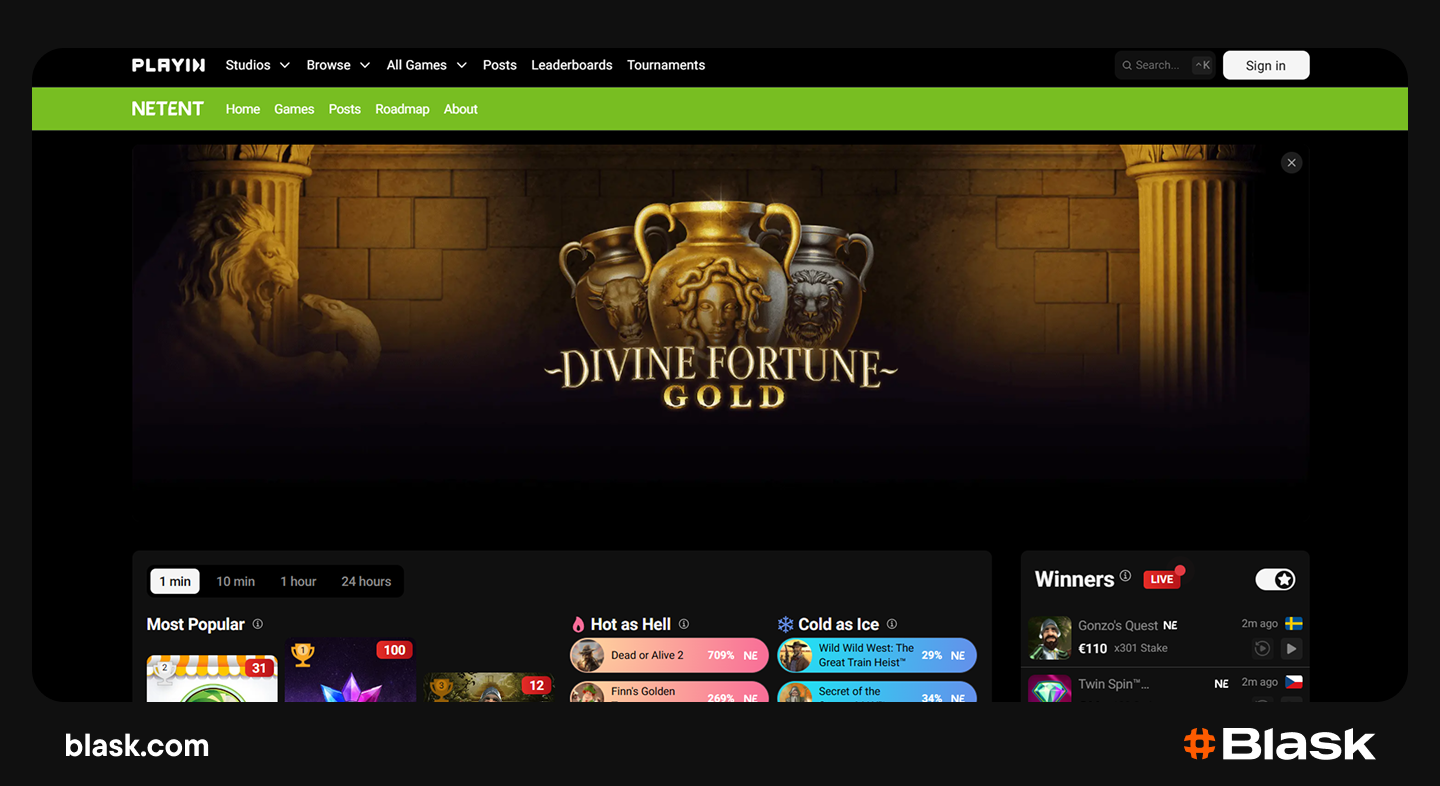
NetEnt remains valuable because its identity is still tied to quality RNG and iconic slots. Evolution describes it as a pioneer since 1996. It also points to classic table products beside top performing slots.
Microgaming
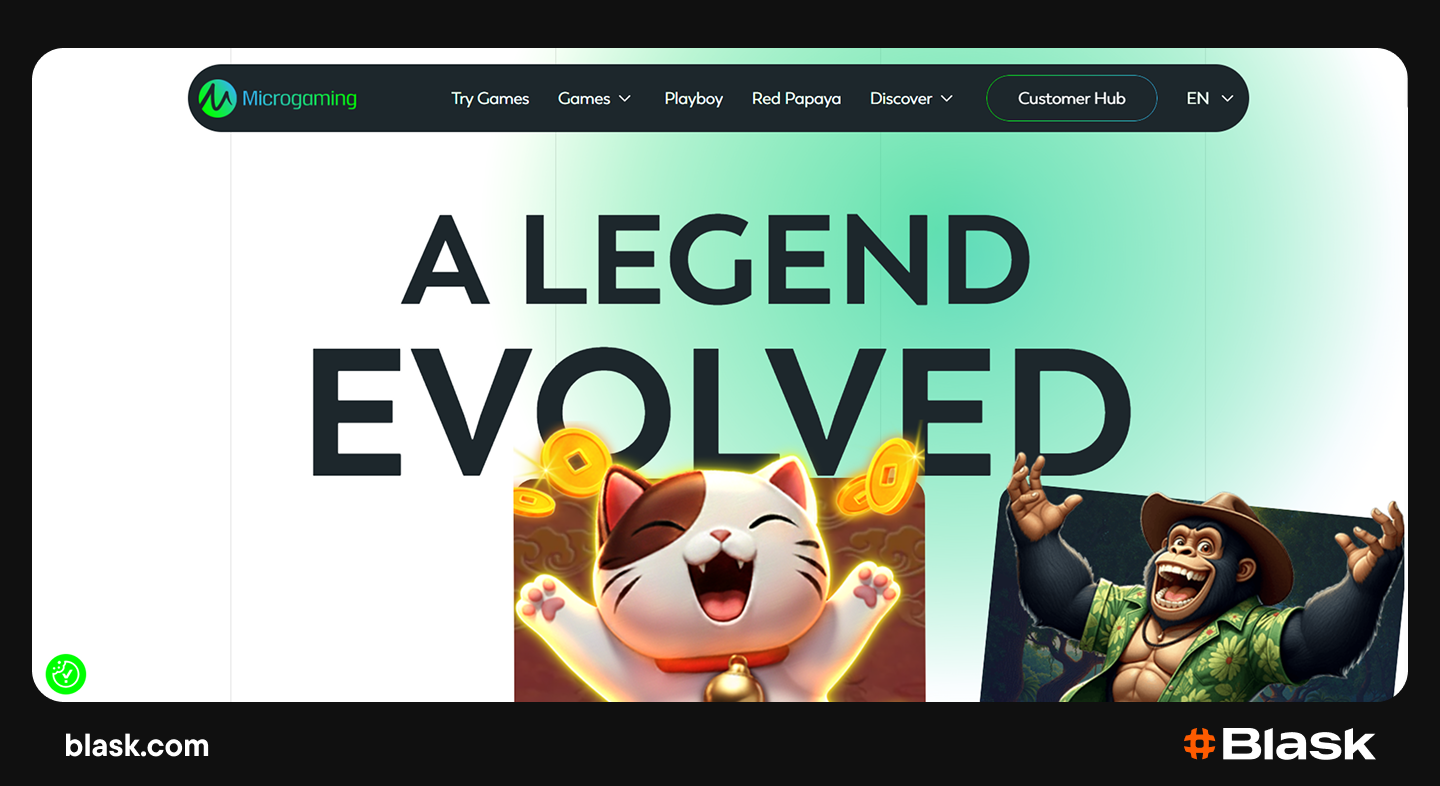
Microgaming now frames itself around next generation content, cutting edge engines, and promotional tools. Its site says it is live on more than 1,000 operator sites. It also says its products support over 40 languages and 150 currencies.
Play’n GO
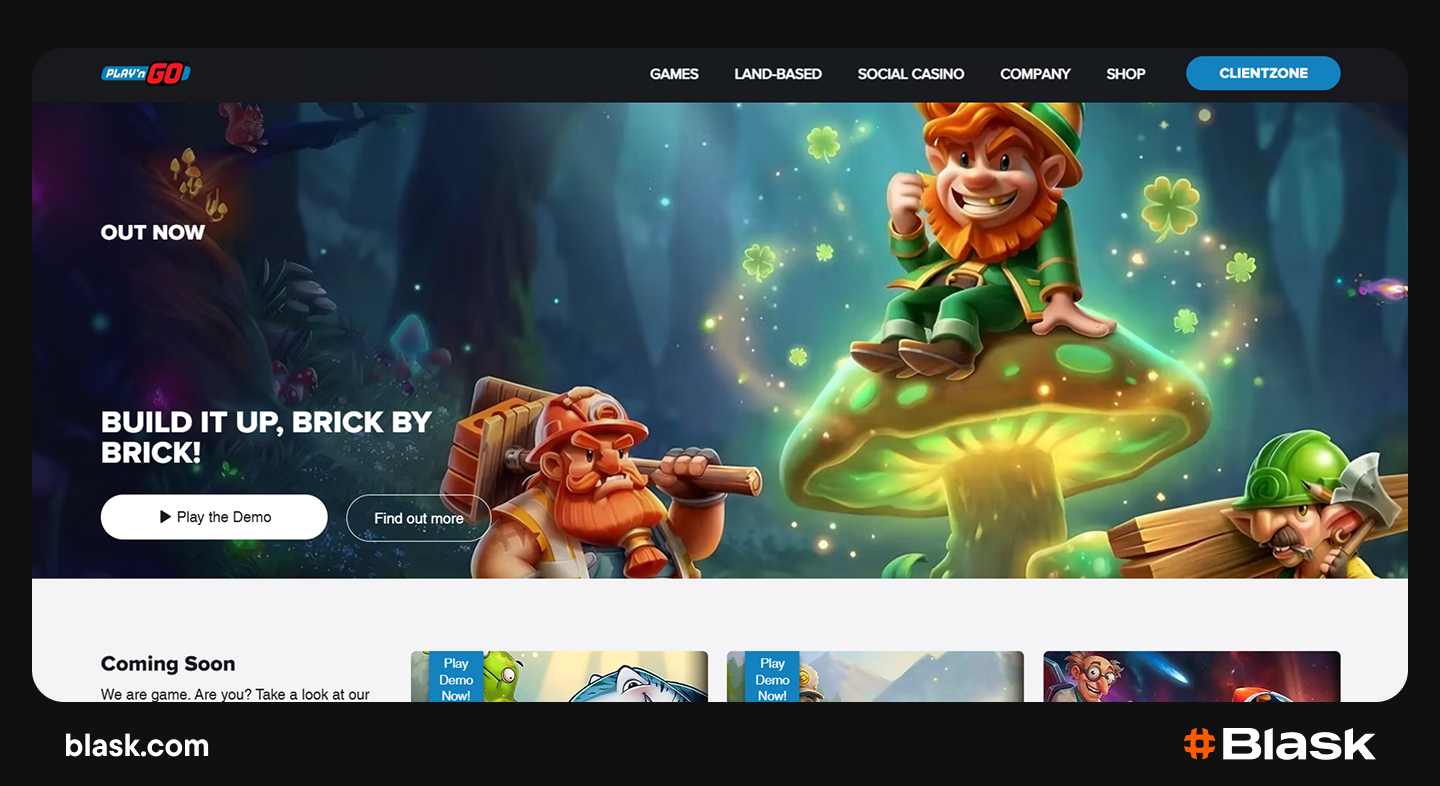
Play’n GO supplies gaming entertainment to online casinos in more than 35 jurisdictions. It also says the portfolio holds over 400 premium titles. The brand keeps winning shelf space because the games are easy to recognize and easy to browse.
Hacksaw Gaming
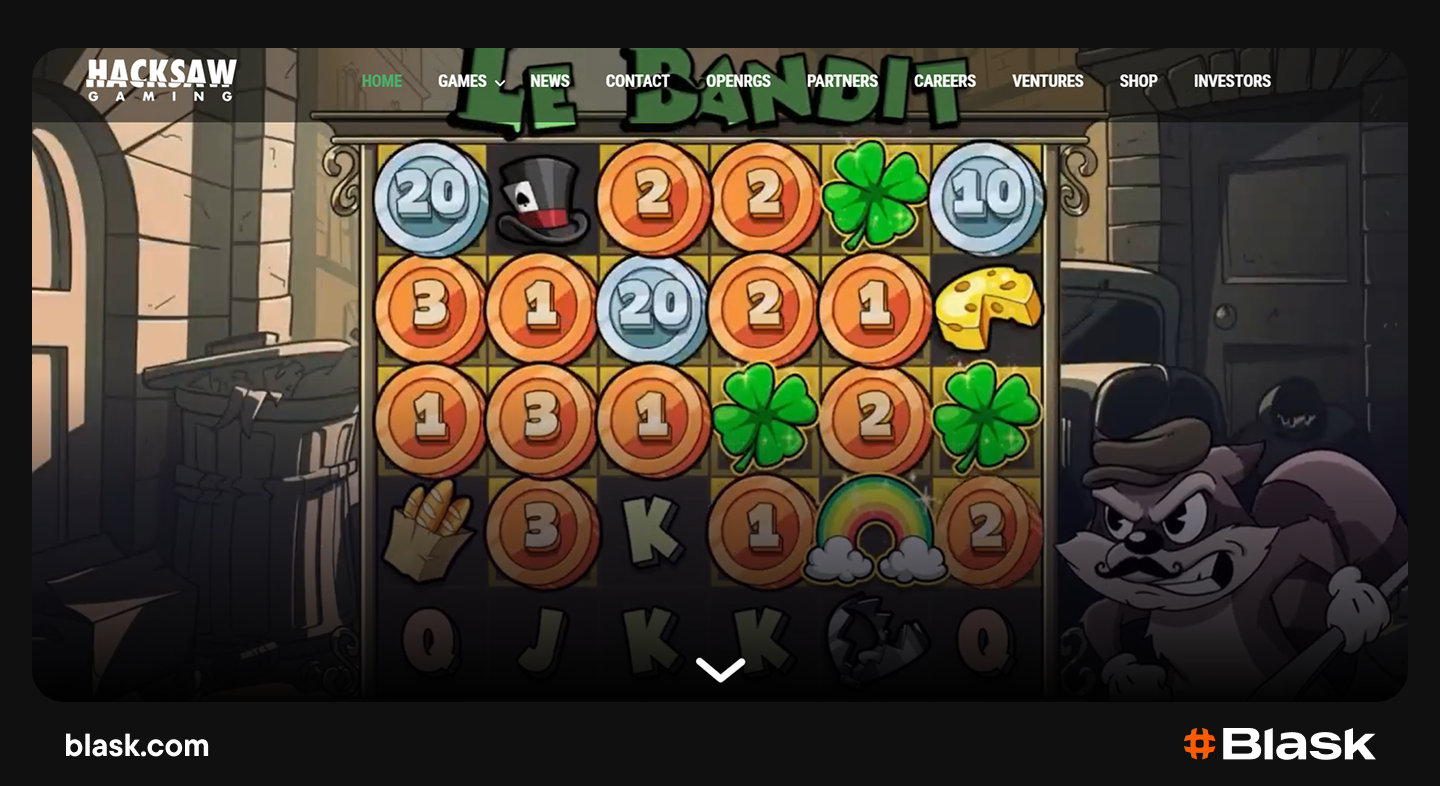
Hacksaw leans into punchy design and wide stylistic range. Its own site says the games come in many shapes and sizes. It also says the portfolio aims to thrill different player types.
Yggdrasil
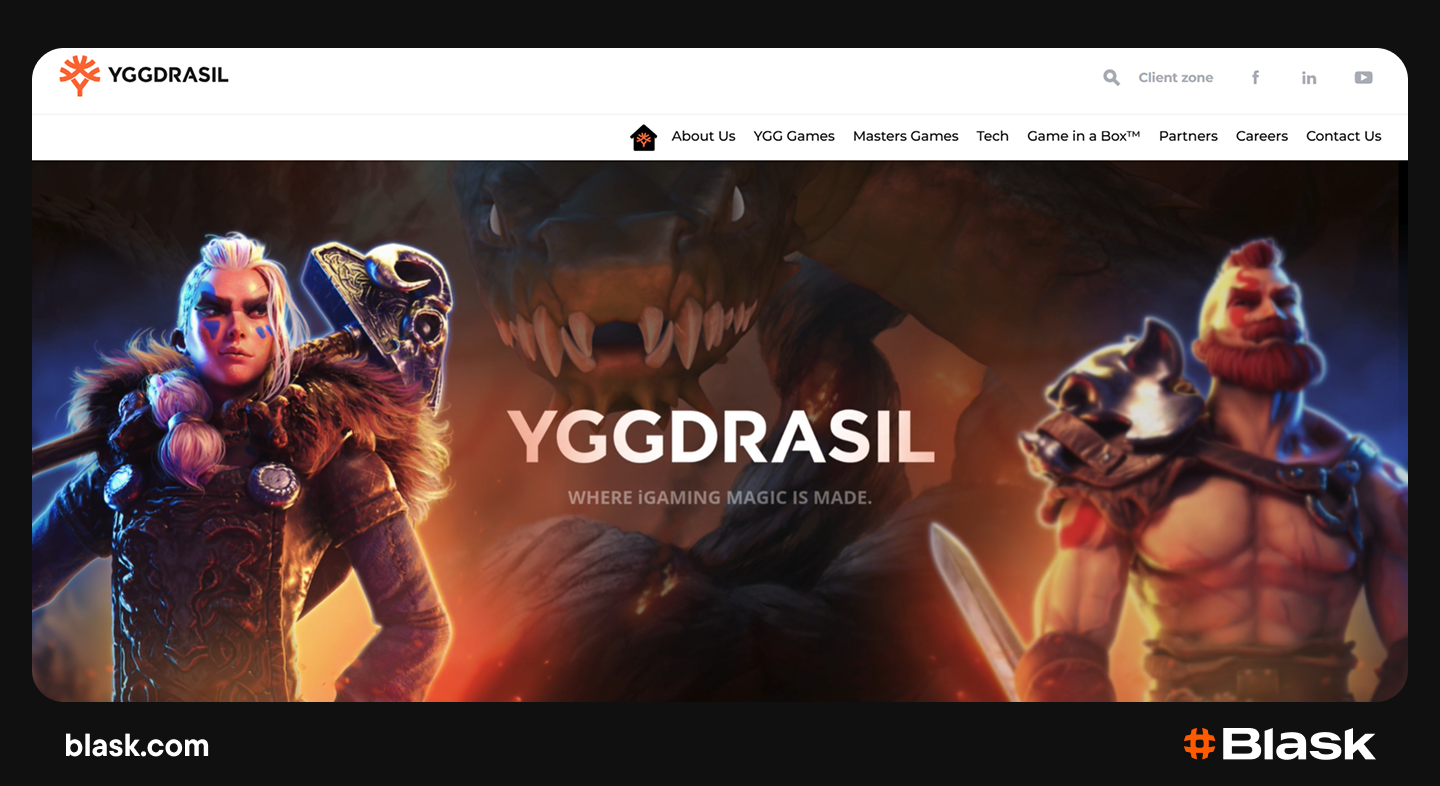
Yggdrasil has spent more than a decade building iGaming experiences with strong visuals and smart mechanics. It also highlights tools like Game in a Box, GEMs, and BOOST. The company states that it holds an MGA B2B critical supply licence and several licences tied to Great Britain and other regions.
Big Time Gaming
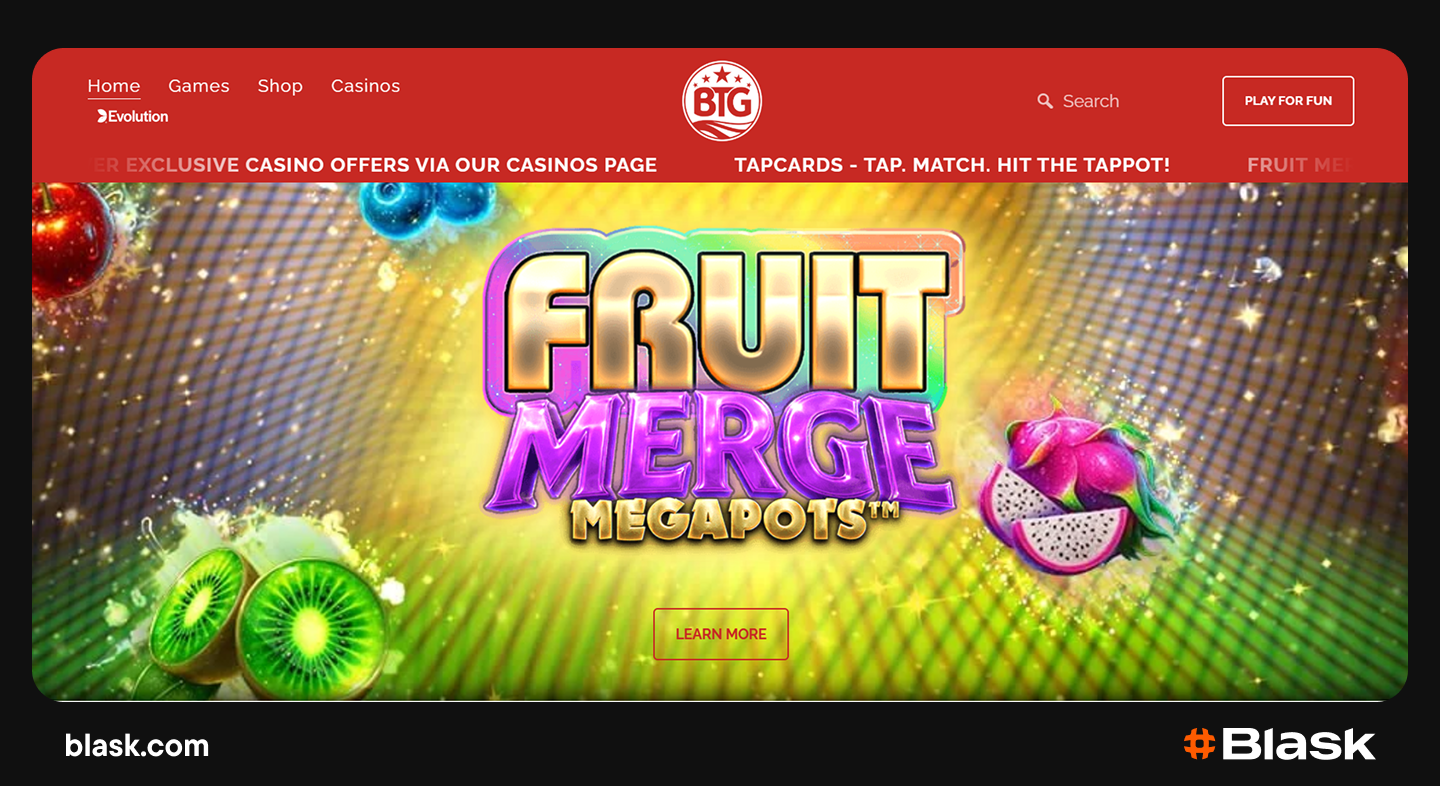
Big Time Gaming still matters because Megaways changed how many slot layouts feel. Evolution says BTG invented the mechanic and licensed it widely. The official BTG site highlights Megaways, Megaclusters, and Megapots. Its games page also shows 89 titles across multiple mechanics and features.
Game Provider Licensing and Certifications
Licensing is not glamorous, but it is where serious business begins. A flashy portfolio means little without approved supply routes. This is where an igaming game provider proves maturity. It must show test reports, legal structure, market permissions, and a process for change control across updates.
MGA
The Malta Gaming Authority keeps a searchable licensee register. It also keeps an enforcement register for actions taken under the Gaming Act. That transparency matters for operators doing supplier checks. A studio that says it can enter Malta should be visible there, or at least linked through the right authorization trail.
UKGC
The UK Gambling Commission licenses, regulates, advises, and provides guidance to gambling businesses in Great Britain. It also runs a public register for businesses, individuals, and premises. For suppliers, that means Great Britain stays one of the clearest benchmarks for formal approval and public accountability.
GLI
GLI describes itself as a leading testing and certification service for the gaming industry. Its site lists testing, certification, forensics, responsible gaming, field inspection, consulting, and igaming support. In plain language, GLI helps products move from hopeful prototype to approved commercial asset.
BMM Testlabs and iTech Labs
BMM presents itself as a compliance contact point for gaming projects, while iTech Labs stresses RNG testing, platform certification, and practical launch guidance. iTech also works with developers and operators across Europe and emerging markets.
How Operators Choose Game Providers
Operators do not choose on gut feeling alone. They compare supply depth, speed, legal coverage, and post launch support. That is usually where the question of what is a game provider stops being theoretical and becomes commercial.
| Priority Factor | Why It Matters | How Providers Win |
| Game Quality & Retention | Players notice readability, hit rhythm, bonus pacing | Strong design discipline over brand hype |
| RTP & Volatility Range | Different markets want different math profiles | Flexible portfolio covering multiple styles |
| Mobile Optimization | Mobile is the core screen for most brands | Portrait mode, fast loading, multi-device support |
| Localization | Languages, currencies, and habits affect conversion | 40+ languages, 150+ currencies (Microgaming example) |
| Compliance Coverage | Each market triggers fresh testing and rules | Multiple jurisdiction licenses (Yggdrasil example) |
Game Quality and Player Demand
Quality starts with clarity. Players notice symbol readability, hit rhythm, and bonus pacing before they notice brand theory. That is why a game provider with strong design discipline can beat a bigger rival in retention. Operators watch repeat play, not just launch traffic, when deciding who deserves more lobby space.
RTP and Volatility Range
Math profiles shape audience fit. Some markets want steady play. Others chase swingy sessions and bonus hunts. A good supplier does not force one style. It offers a range that helps the operator balance audience segments without flooding the lobby with clones.
Mobile Optimization
Mobile is no longer a nice extra. It is the core screen for many brands. Pragmatic Play, Microgaming, and Evolution all stress multi device delivery or mobile support.
Localization Support
Languages, currencies, and market habits all affect conversion. Microgaming supports more than 40 languages and over 150 currencies. Pragmatic Play says its products are available across major regulated markets, languages, and currencies.
Compliance Coverage by Jurisdiction
Coverage matters because each new market can trigger fresh testing, documents, and technical rules. Yggdrasil openly lists several licences and registrations across regions.
Direct Integration vs Aggregators
Direct integration offers more control, but it takes more time. Aggregators speed up setup and expansion, though they can limit flexibility. For smaller operators, one feed often works better than several custom integrations.
A casino game provider may choose direct integration for stronger branding and ownership. A casino software provider may prefer aggregation for faster early growth. The best model depends on budget, speed, and technical resources.
| Integration Method | Main Advantage | Main Disadvantage |
| Direct Integration | Offers more control, ownership, and stronger branding | Takes significantly more time and technical resources |
| Aggregators | Speeds up setup and provides access to many studios at once | Can limit flexibility and deep customization |
Game Provider Revenue Models
Revenue models look simple from outside. Inside, they shape risk sharing, cash flow, and launch priorities. Most contracts blend more than one mechanism.
Revenue Share with Operators
Revenue share remains popular because it rewards long term performance. If a game lands well, both sides benefit. If it flops, the pain is shared. This model suits content that expects a long shelf life rather than a quick opening spike.
Setup and Integration Fees
Fixed fees still appear when custom work gets heavy. Brand skins, reporting changes, or unique game show environments can justify them. Evolution even offers custom roulette built around a client brand. That kind of tailoring takes more than a quick feed connection.
Jackpot Network Contributions
Jackpot systems add another layer. Red Tiger, inside the Evolution brand mix, is described as offering daily drop jackpot tools. Big Time Gaming also highlights Megapots on its site. Network contributions can raise engagement, yet they also alter commercial terms and reporting needs.
How to Become a Casino Game Provider
The path is crowded but still open. A new studio needs one real edge, solid process, legal guidance, certification, and enough capital for slow approvals.
The early roadmap is simple. Build one strong game, test the RNG, secure market access, and find an operator or aggregator partner. An iGaming game provider that skips this groundwork usually pays for it later.
Future Trends in Casino Game Providers for 2026
The next phase looks less like a single boom and more like several smaller waves. Three themes stand out already. Fast formats keep growing. Compliance stays central. Tooling grows smarter, even when players never see it.
Crash and Instant Games Growth
Crash formats are quick, legible, and social friendly. They fit the scroll habits of modern players. Evolution already showcases crash content, and BTG keeps pushing mechanics first. That direction suggests the next winning game provider may look leaner, sharper, and less obsessed with huge rule sets.
Crypto-Native Studios
Crypto native brands still face tighter scrutiny, yet they keep attracting attention. Faster payment habits and borderless communities give them obvious momentum. Any future slot game provider working in that lane will still need serious licensing partners. Hype alone does not replace registers, audits, or technical standards.
AI-Generated Game Content
AI will probably speed up art workflows, localization, QA prep, and live operations. It will not remove human judgment from gambling math or compliance. The more likely outcome is hybrid production. A future slot game provider may prototype faster, while a broader game provider uses automation for safer scaling across languages and markets.
Nostalgia Trend
2026 is a trend of nostalgia. iGaming suppliers develop titles similar to old mobile games. For example, Tower Rush by Galaxsys is similar to Tower Bloxx, while Doodle Crash by Barbara Bang reminds users of Doodle Crash.