

- Updated:
- Published:
What FanDuel’s CEO change says about its US demand share
Amy Howe is leaving FanDuel after pressure on Flutter shares. FanDuel has always shown seasonal demand-share swings but this cycle is visibly weaker: US BAP has stayed below its usual range since December.
Flutter announced on May 6 that Amy Howe has left FanDuel, with company president Christian Genetski stepping in as acting CEO. The SEC filing published the same day confirmed Howe’s exit under a separation agreement worth $4.37M.
The change follows pressure on Flutter shares and weaker FanDuel customer activity, as US sports betting demand becomes more contested by licensed rivals, offshore brands and prediction-market platforms.
FanDuel’s demand is concentrated in one market
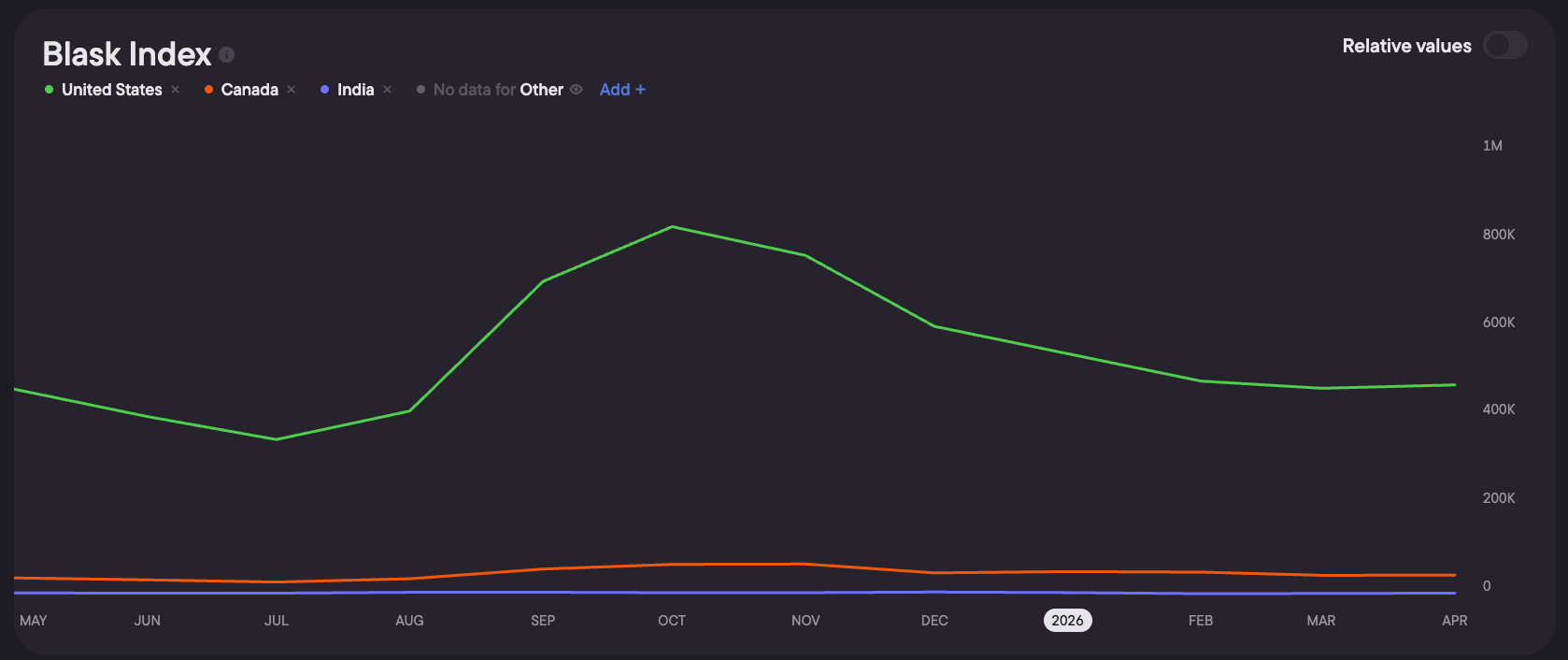
Blask data shows FanDuel remains one of the largest sportsbook brands by CEB and its demand base anchored in the US, the world’s largest iGaming market.
The CEO change is not happening at a weak brand. FanDuel remains one of the largest US sportsbooks but its recent demand share is running below its usual seasonal pattern.
The seasonal pattern has shifted lower
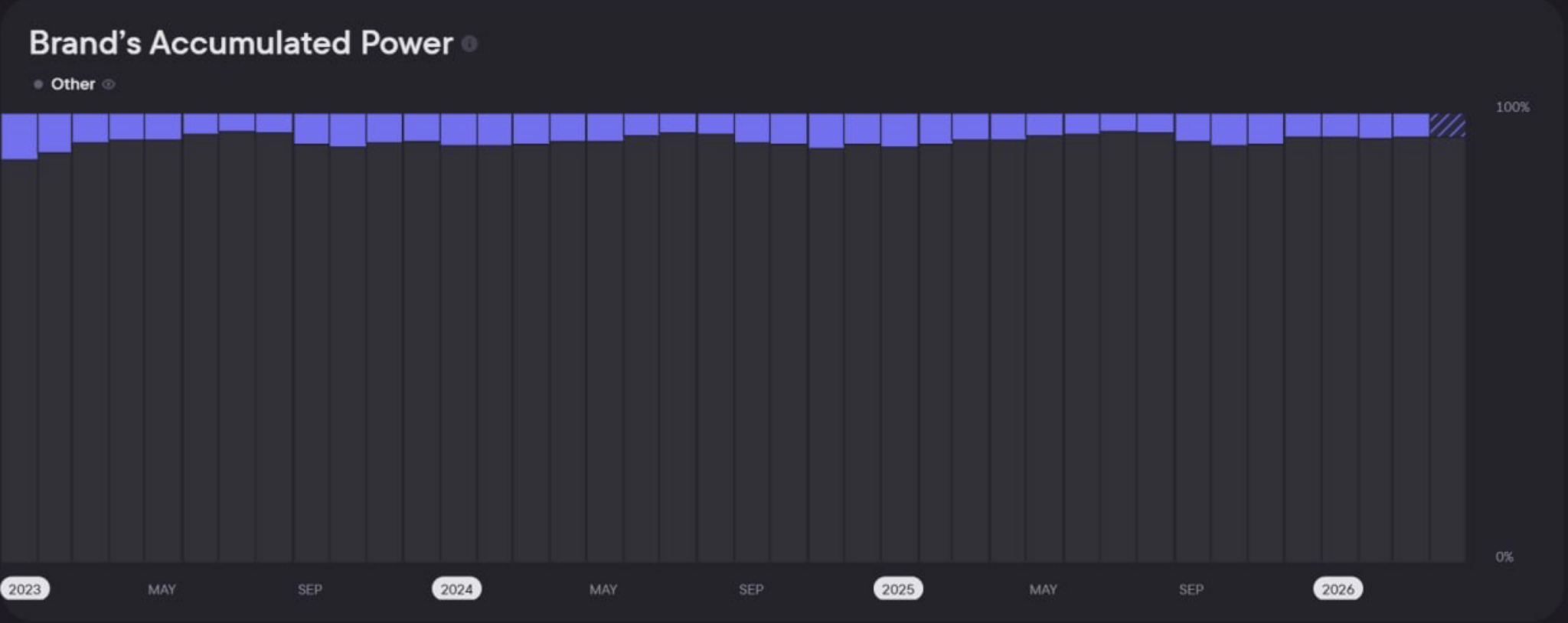
FanDuel’s US BAP usually drops below 6% in summer, when the US sports calendar slows. In previous years, those lows were concentrated around June, July and August.
This cycle moved lower earlier. Since December 2025, FanDuel has been running below its usual winter and spring range. The brand is still highly visible, but recent readings look closer to what used to be its summer floor.
Strong demand, harder growth
Genetski is taking over an established US iGaming brand whose demand share has moved below its usual seasonal range. His task is to defend FanDuel’s position in a more crowded market. But the job is different from the one Howe inherited in 2021: FanDuel is no longer riding only the state-by-state expansion of US sports betting.