

A high roller asks you to strip the welcome bonus, a bonus hunter reads the wagering rules line by line. The report still files both as the same first-time depositor.
I have spent the past few months talking to both of those people. The problem is not that the segments differ. The metric the industry uses to score acquisition cannot see the difference at all.
FTD is a counter at the door
The first-time depositor line treats a $20 bonus hunter and a whale who will later carry a month of revenue as the same event.
In a previous column I argued that performance marketing is a lease. FTD is the receipt for that rent. It confirms you paid. It says nothing about what you received.
The industry uses it anyway because it is convenient. FTD is the one number both sides of a deal can check on the same day. The buyer closes CPA against it. The operator closes the acquisition plan against it. The postback arrives, the deposit clears, the money leaves.
A count of new depositing players is still not your revenue, and the same FTD row hides two different economies.
The bonus hunter audits the offer
A bonus hunter is not playing the casino. They are playing the terms of use: reading T&Cs line by line, hunting a hole in the wagering, pricing the expected value of the offer past what your product team models. The relationship starts with the incentive and ends the moment the incentive ends, with high friction and no loyalty.
In Sumsub’s survey of iGaming operators, 63.8% named bonus abuse as one of the three most dangerous fraud schemes they face, sitting beside identity fraud and money laundering at 64.8% each. Sumsub’s later guide puts the commercial leak for European operators at 10%–20% of marketing turnover, by industry estimates.
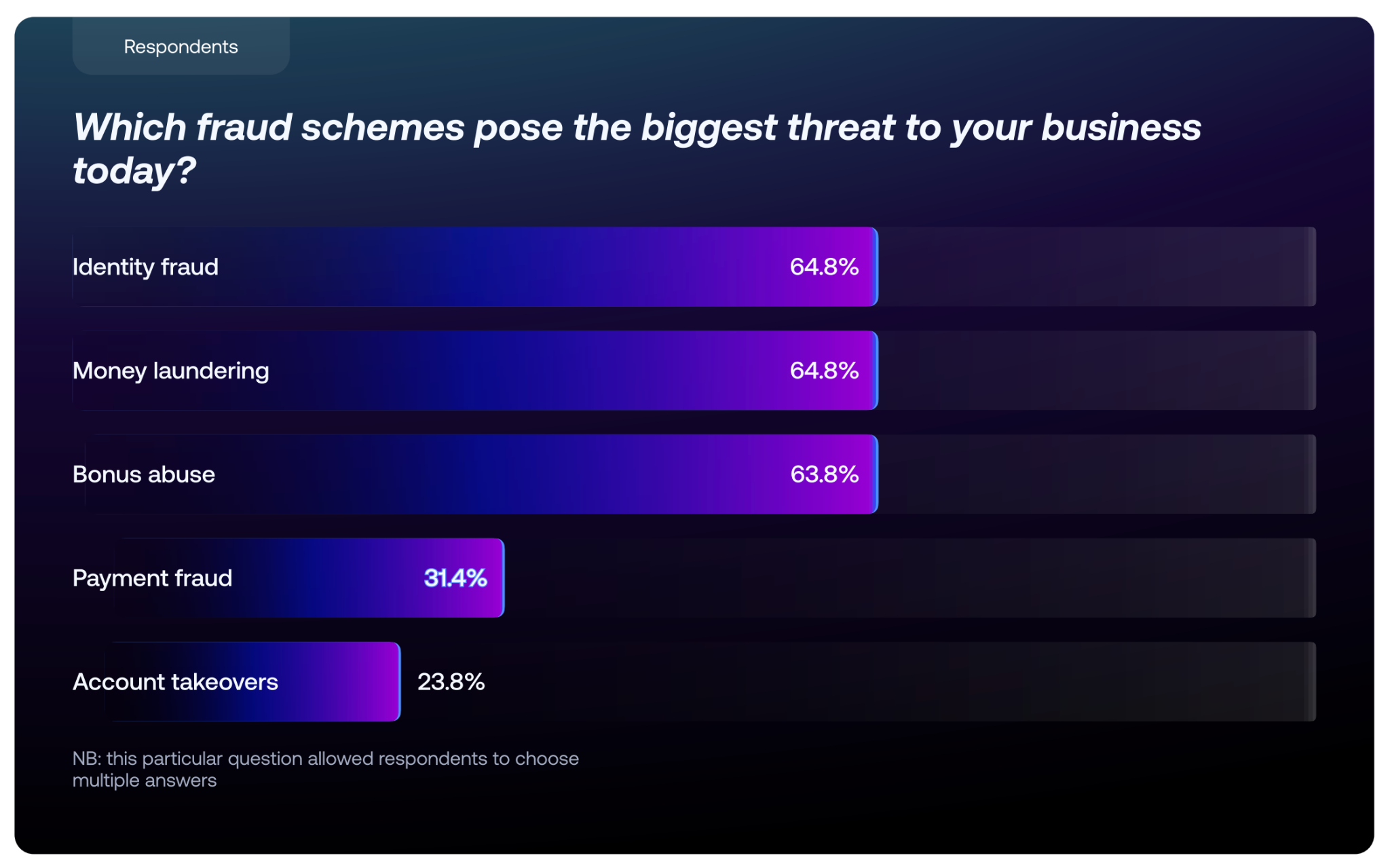
Every fifth euro of acquisition budget can go to someone whose job is to take the bonus and leave. That person still lands in the same FTD row as the player who stays for a year.
The high roller buys infrastructure
Most high rollers do not want the welcome bonus. Many ask you to remove it so the deposit is not sitting under a wagering lock. They are buying what sits behind the lobby: liquidity, limits, payout speed, and what happens if they win a large amount.
The industry has known the money concentration for years and still prefers not to say it out loud. In 2020 the UK Gambling Commission collected VIP data from nine operators. One of those books told the regulator that 2% of customers, labelled VIP, accounted for 83% of deposits. Giving evidence to a House of Lords committee, GVC’s Kenny Alexander said high-value customers were 1.4% of the Ladbrokes Coral UK database and 38% of its deposits.
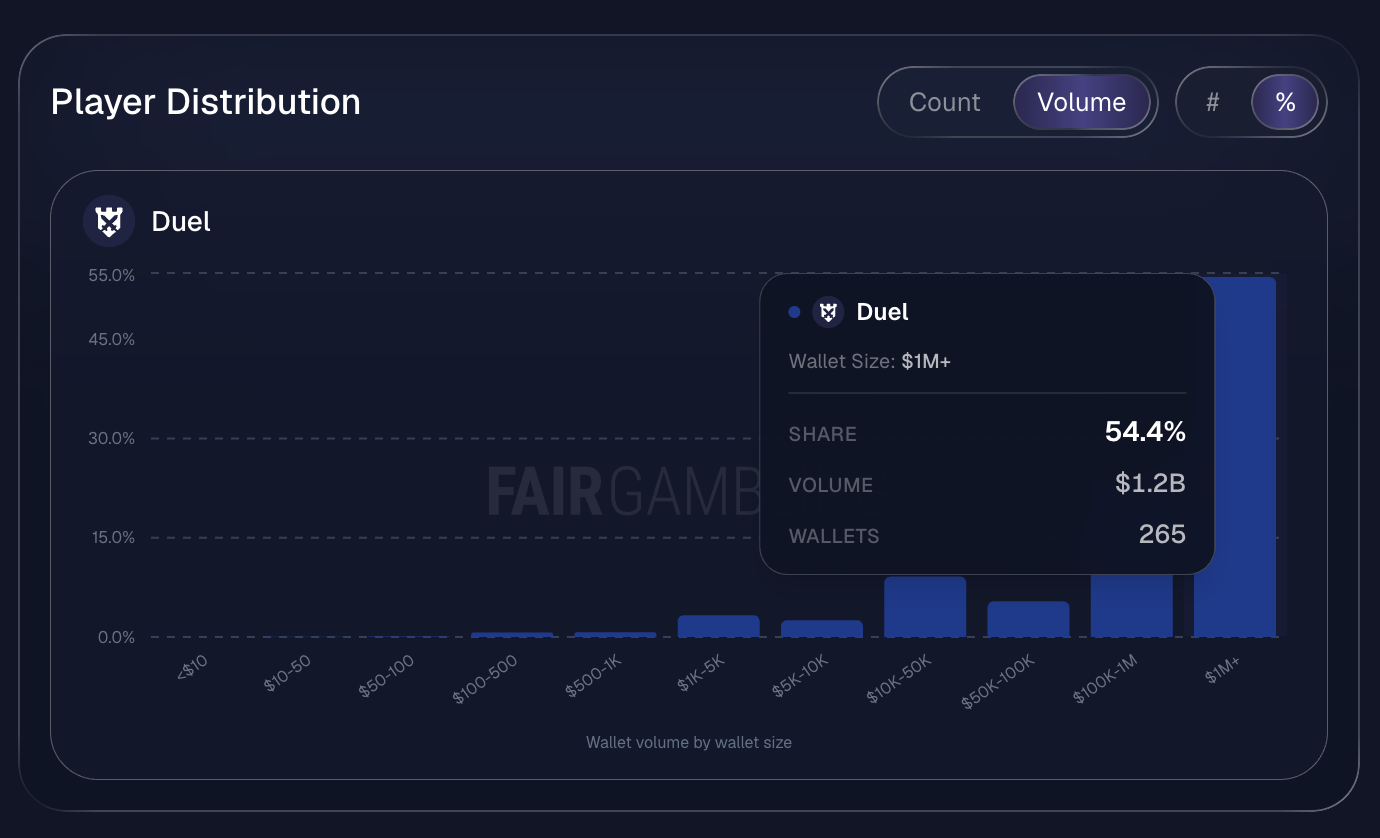
Another example is FairGambling’s statistics on Duel. 265 players, 0.1% of the base, deposited $1.2B: 54.4% of the pie.
The conclusion looks obvious: build everything for whales. That conclusion is wrong.
High rollers do not arrive in a vacuum
A whale does not walk into an empty room. They arrive where a reputation already exists, and that reputation is built on the mass segment, including bonus hunters. Those players are the first to break the cashier, test the withdrawal, and write the review a six-figure depositor later reads.
There is no favourite child to pick. Each layer has a job.Marketing tools will not fix an infrastructure problem, and an FTD target will not tell you which layer you just bought.
The bonus hunter and the high roller are not two segments inside one metric. They are two businesses you folded into a single cell, then blamed the spreadsheet when the math would not add up.
The week-12 test
In my working range, CPA for a tier-1 casino FTD now sits around $150–400. The industry’s own 3:1 rule says a $200 CPA needs at least $600 of NGR over the player’s life on the product.
The media plan still prices FTD and a “forecast LTV”. Forecast, in practice, is the number written so the CPA still closes.
Run the campaign, then at week 12 check three extra numbers.
- Weekly cohorts. If the curve has not flattened after week three or four, you have an offer rather than a product.
- Deposits after the bonus ends. Split the cohort into players who made a second deposit with no incentive and players who did not. The second group is marketing cost. The first group is the business.
- Share of NGR from the top 1%, and how long a whale takes to enter that band. A player who arrives from a SEO affiliate in month eight changes the channel price, the affiliate payout, and where you cut spend.
I know how this looks from the inside. At Blask, weekly activity grew sixfold in six months, and I could have screenshot the top of the funnel and called the quarter a success. The number I watch is different: 23.3% of users still active at week 12, and a curve that flattens after week three.
The tourists left and the rest found a reason to stay. That is the only signal that matters, and it comes from B2B analytics with no welcome bonus and no wagering. A casino has the same shape, with more tourists and a higher price on each of them.
Where I would start
Three changes I would make to the acquisition stack.
- Move pure CPA toward a hybrid with a baseline: less upfront, revshare on top, and the full CPA only if the player makes a second deposit in the first 30 days. An affiliate who sends bonus hunters falls away in short order.
- Price the channel on cohort NGR at week 12. SEO with a 10–12 month payback can look cheaper than Facebook that returns in a month and dies at week six.
- Put a buyer KPI on the share of the cohort still alive at week four, rather than on FTD count alone.
FTD will not disappear — you will still close deals on it. Stop treating it as the only number that counts.