

- Updated:
- Published:
Colombia’s court annuls the emergency 19% VAT on online gambling — refunds are next
Colombia’s top court has killed the emergency 19% VAT on online betting — and refunds are now on the table.
The Constitutional Court overturned Decree 1474/2025, ruling that emergency powers were improperly used to raise VAT on online gambling. DIAN has been instructed to build a refund mechanism for tax collected while the decree was in force. This provides operators with short-term relief, even as the government continues to pursue new ways to tax digital gambling.
Blask data: dip looks seasonal, not tax-driven
From November to January, Colombia’s Blask Index fell by 35.7%, highlighting a pronounced drop in market demand over a relatively short period.
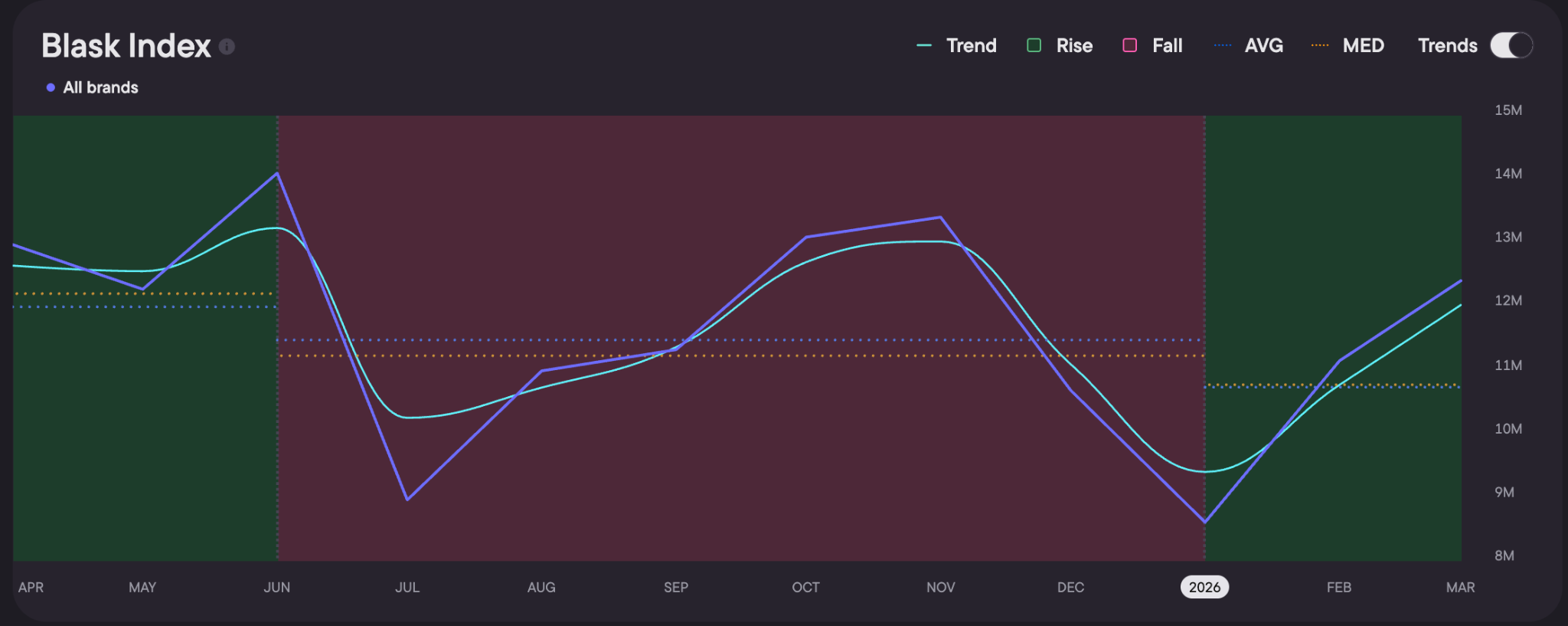
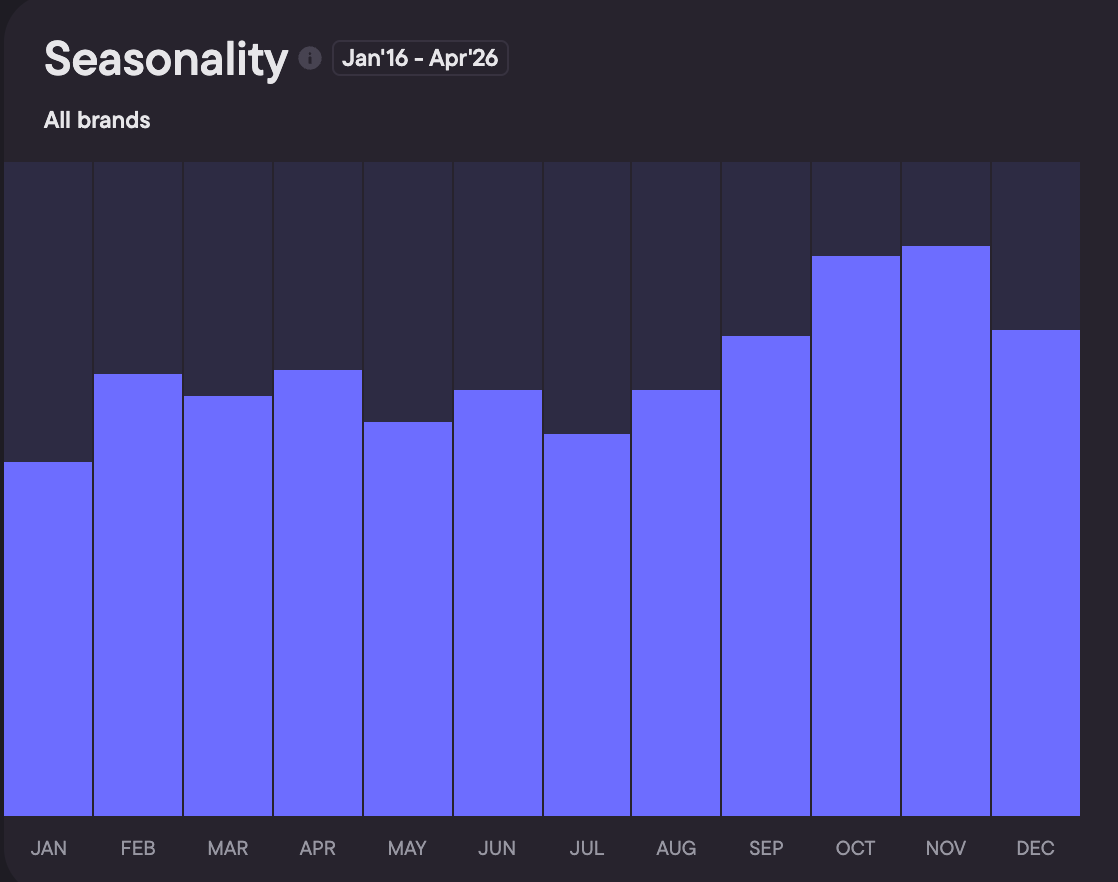
Historical Blask data over a 10-year window indicates that the November–January decline is a consistent seasonal pattern rather than a tax-driven effect. January reliably marks the annual low, followed by a recovery through February–April, a softer period in May–July, and a sustained ramp into peak demand in October–November, with December remaining elevated.
Colombia market snapshot: the top three dominate
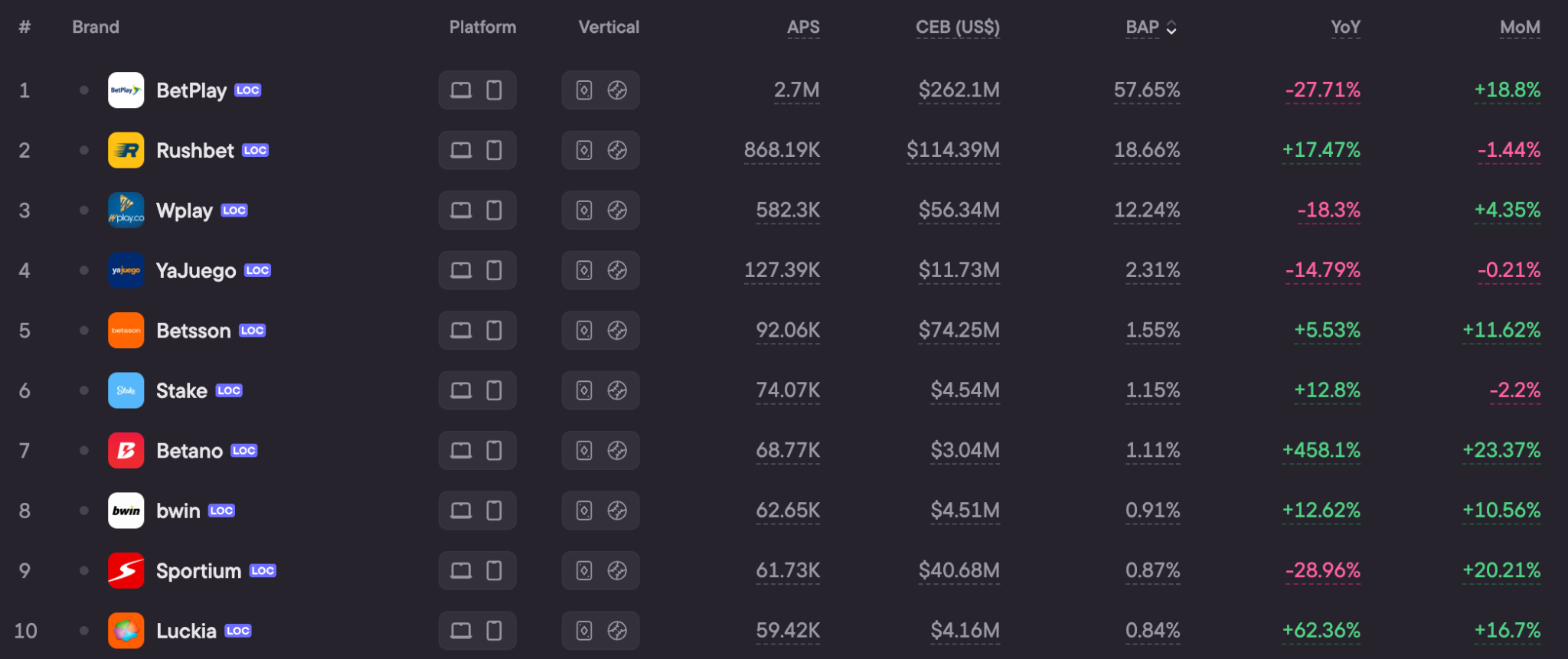
Colombia’s market is highly concentrated at the top: BetPlay, Rushbet, and Wplay together hold close to 90% of total BAP in the 12-month window, effectively setting the revenue baseline for the rest of the market. On the licensing side, offshore operators are nearly absent — Blask’s CEB split puts them at ~3–4%, with the rest going to locally licensed brands.
Short-term relief, long-term reality unchanged
The ruling removes a short-lived tax overhang — but it does not end the policy fight. The government is still searching for durable ways to tax digital gambling. And Blask demand signals from the decree window point to recurring seasonality, not a policy shock, in a market that remains highly concentrated and overwhelmingly onshore.